
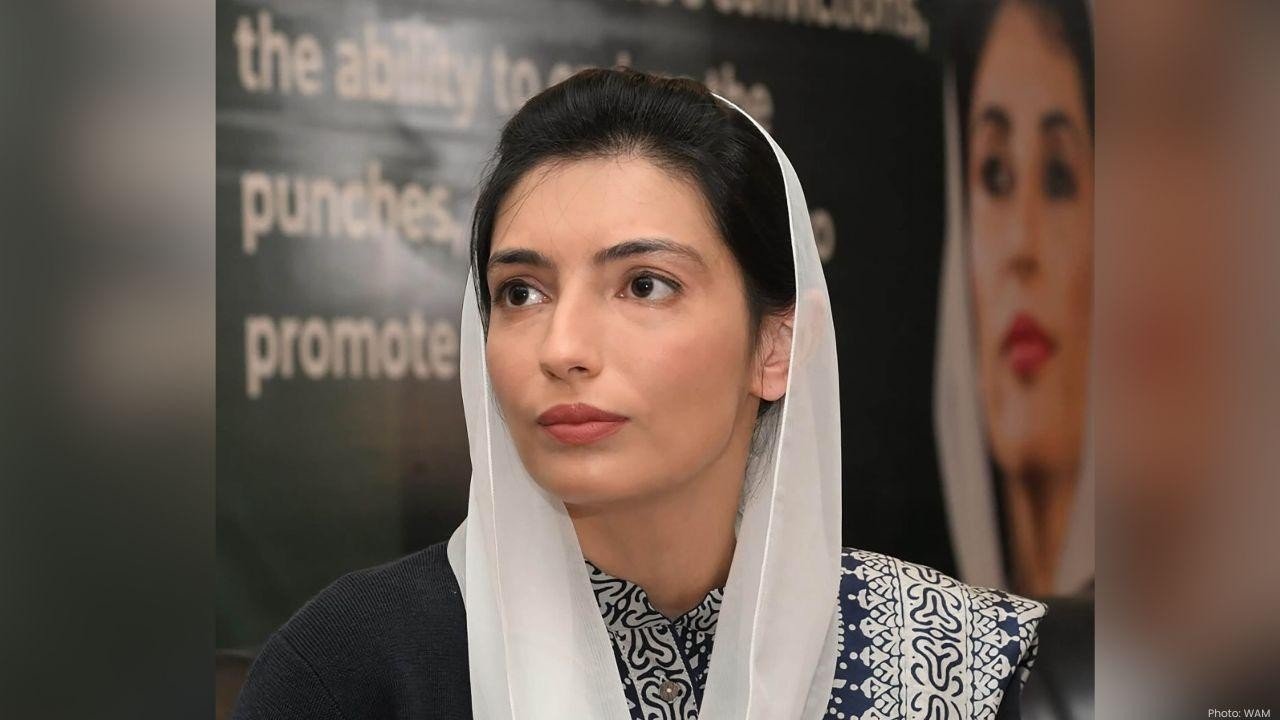
ISLAMABAD — On Tuesday, First Lady Bibi Asifa Bhutto Zardari emphasized the vital contributions of minority communities to Pakistan’s development across various sectors, including education, healthcare, law, public service, business, the armed forces, arts, and sports. Her remarks were made in a message commemorating National Minorities Day, observed annually on August 11.
What Happened
First Lady Asifa Bhutto Zardari, in her statement, extended warm greetings to minority communities across the nation, acknowledging their significant role in Pakistan’s progress. She highlighted that the achievements of these communities are integral to the country’s development narrative. The First Lady’s message underscored the importance of recognizing the valuable contributions of minority groups and reaffirmed the principle of equality for all citizens.
“Equality must be reflected in the rights and opportunities available to every citizen. The law must protect all citizens equally and every Pakistani should be able to participate fully in the social, economic and civic life of the country without discrimination on the basis of religion,” she stated. Her remarks also emphasized the need for equal opportunities for young people and women from minority communities to pursue education, develop skills, and contribute to the nation’s future.
Asifa Bhutto called on families, educational institutions, communities, and public institutions to promote respect, understanding, and equal treatment among citizens. She stressed that the values taught to young people today would shape the future of Pakistan. The First Lady paid tribute to the minority communities’ contributions and expressed hope for continued progress with equality and opportunity for all citizens.
Background
National Minorities Day in Pakistan is observed annually on August 11 to honor the contributions of minority communities to the country’s development. The day serves as a reminder of the commitment to equality and the protection of minority rights as enshrined in Pakistan’s constitution. Historically, minority communities have played a crucial role in various sectors, contributing to the nation’s socio-economic and cultural fabric.
Pakistan’s legal framework, including the Constitution, guarantees equal rights to all citizens, irrespective of their religion or ethnicity. However, the implementation of these rights has faced challenges, with minority communities often advocating for greater inclusion and protection against discrimination.
Why It Matters
The recognition of minority communities’ contributions is significant in promoting social cohesion and national unity in Pakistan. By acknowledging the diverse contributions of all citizens, the nation can foster an inclusive environment that encourages participation from all segments of society. This inclusivity is crucial for sustainable development and progress.
Economically, empowering minority communities can lead to a more diverse and skilled workforce, driving innovation and growth. Socially, it enhances mutual respect and understanding among different groups, reducing tensions and fostering harmony. Politically, it strengthens democratic values by ensuring that all voices are heard and represented in decision-making processes.
Internationally, Pakistan’s commitment to minority rights and inclusion can improve its image as a progressive and tolerant nation, potentially attracting foreign investment and strengthening diplomatic relations. The First Lady’s message reinforces the importance of these principles and the need for continued efforts to ensure equality and opportunity for all citizens.
Key Takeaways
- First Lady Asifa Bhutto Zardari highlighted the contributions of minority communities to Pakistan’s development.
- Her message emphasized the importance of equality and non-discrimination for all citizens.
- National Minorities Day serves as a reminder of the commitment to minority rights in Pakistan.
- Empowering minority communities can drive economic growth and social cohesion.
- Pakistan’s commitment to inclusion can enhance its international image and relations.
Source Attribution
This article is based on official government statements, press releases, and public communications from relevant authorities.














