
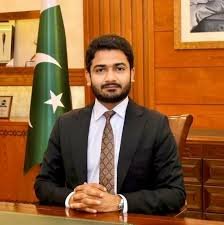
RAWALPINDI — In a significant administrative reshuffle, five key officials, including the Deputy Commissioner and City Police Officer, have been transferred in Rawalpindi as of July 4. This move is part of the government’s routine transfer policy aimed at optimizing administrative efficiency and effectiveness.
What Happened
The Punjab government has announced the transfer of Deputy Commissioner Rawalpindi Hassan Waqar Cheema (PAS/BS-18). Cheema has been directed to report to the Services and General Administration Department (S&GAD) in Lahore. Capt. (Retd.) Nadeem Nasir (PAS/BS-19), previously serving as Deputy Commissioner Faisalabad, has been appointed as the new Deputy Commissioner of Rawalpindi.
In addition to the Deputy Commissioner, City Police Officer (CPO) Rawalpindi Syed Khalid Mehmood is among the officials reshuffled. The changes in the administrative lineup are aimed at bringing fresh perspectives and enhancing the governance framework in the region. The reshuffle also includes other key positions, although specific details about the remaining officials have not been disclosed in the initial announcement.
This administrative transition is part of a broader strategy by the provincial government to ensure that governance remains dynamic and responsive to the needs of the populace. The new appointments are expected to bring about improvements in public service delivery and law enforcement in Rawalpindi.
Background
Administrative reshuffles are a common practice in Pakistan, particularly within provincial governments, to address emerging challenges and improve governance. Such transfers are often seen as a means to inject new energy into the administration and to realign priorities in line with government policies.
Historically, Rawalpindi has been a focal point for administrative changes due to its strategic significance and its proximity to the federal capital, Islamabad. The city plays a crucial role in regional governance, and its administrative setup is often adjusted to meet evolving needs and challenges.
The transfer of officials like the Deputy Commissioner and the City Police Officer is significant, as these roles are pivotal in managing the city’s affairs, including law and order, development projects, and public welfare initiatives.
Why It Matters
The reshuffling of key officials in Rawalpindi is of considerable importance for several reasons. Firstly, the Deputy Commissioner and City Police Officer are instrumental in implementing government policies at the district level. Their leadership and decision-making impact a wide range of areas, from infrastructure development to maintaining public order.
Economically, Rawalpindi is a bustling city with a diverse population and a vibrant commercial sector. Effective governance is crucial to sustaining economic growth and ensuring that development projects are executed efficiently. The new appointments are expected to bring about a renewed focus on economic initiatives and public service improvements.
Socially, the reshuffle may influence how public services are delivered, affecting areas such as healthcare, education, and municipal services. The incoming officials will need to address ongoing challenges and work towards enhancing the quality of life for residents.
Politically, these changes reflect the government’s approach to managing administrative affairs and ensuring that officials are placed in roles where they can be most effective. The reshuffle may also be seen as a response to public demands for better governance and accountability.
Key Takeaways
- Deputy Commissioner Rawalpindi Hassan Waqar Cheema has been transferred to Lahore, with Capt. (Retd.) Nadeem Nasir taking over the role.
- City Police Officer Syed Khalid Mehmood is among the officials reshuffled in Rawalpindi.
- The reshuffle aims to enhance administrative efficiency and public service delivery in the region.
- Rawalpindi’s strategic importance necessitates dynamic governance and responsive administrative changes.
- The new appointments are expected to impact economic growth, social services, and political governance in the city.
Source Attribution
This article is based on official government statements, press releases, and public communications from relevant authorities.














