
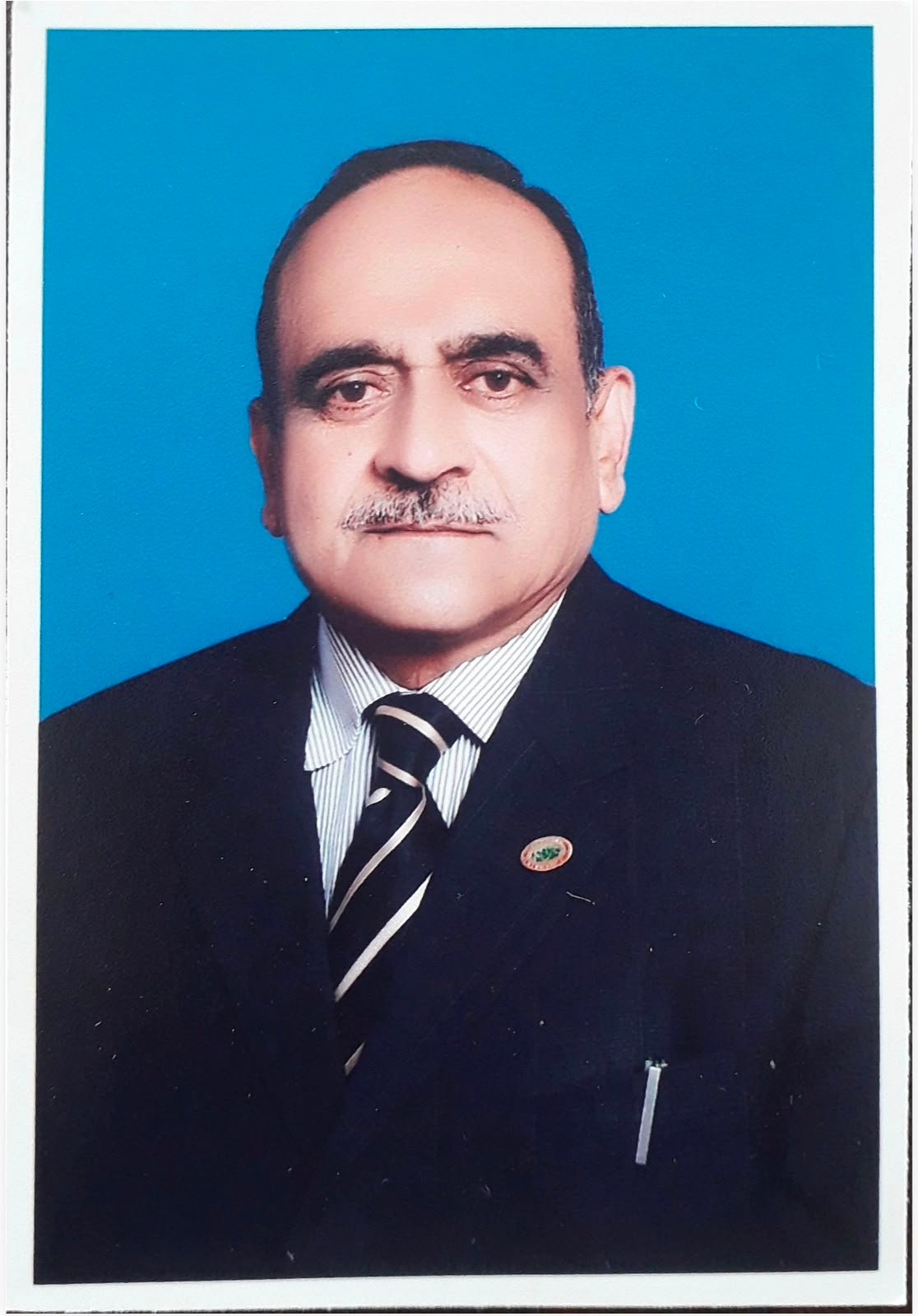
ISLAMABAD — Former Chairman of the Pakistan Atomic Energy Commission (PAEC), Mr. Parvez Butt, NI, HI, SI, passed away on Sunday at the age of 84. His passing marks the end of a distinguished career that significantly contributed to Pakistan’s nuclear and strategic capabilities.
What Happened
Mr. Parvez Butt, a pivotal figure in Pakistan’s nuclear history, died on Sunday. He was 84 years old. As a former Chairman of PAEC, he was instrumental in the development and expansion of the country’s nuclear science and technology initiatives. His career spanned over four decades, beginning in May 1963 when he joined the PAEC. Over the years, he held various scientific, engineering, and management roles, significantly advancing Pakistan’s nuclear fuel cycle and power programs.
During his tenure as PAEC Chairman from 2001 to 2006, Mr. Butt provided strategic leadership that facilitated the growth of nuclear applications in healthcare, agriculture, industry, and education. His efforts were crucial in promoting the peaceful use of nuclear technology and enhancing the nation’s strategic self-reliance.
After retiring from PAEC, Mr. Butt continued to serve in key governmental roles. He was the Federal Secretary for the Ministry of Science and Technology from 2006 to 2008 and later served as an Advisor on Nuclear Energy at the Planning Commission of Pakistan until 2013. Until his death, he was an Advisor to the National Command Authority and Strategic Plans Division, offering guidance on nuclear and strategic issues.
Background
Parvez Butt’s career is deeply rooted in Pakistan’s quest for nuclear capability, a journey that began in the early 1970s. As one of the founding members of the country’s Strategic and Nuclear Programme, his contributions were critical in establishing Pakistan as a nuclear power. His work in developing the indigenous nuclear fuel cycle and power program laid the foundation for the country’s current capabilities.
His leadership was recognized through numerous national honors, including the Sitara-i-Imtiaz in 1998, the Hilal-i-Imtiaz in 1999, and the Nishan-i-Imtiaz in 2015. These awards reflect his exceptional contributions to the nation’s scientific and technological advancements.
Why It Matters
The passing of Parvez Butt is a significant moment for Pakistan’s scientific and strategic community. His leadership and vision were instrumental in shaping the country’s nuclear policy and capabilities. His work not only bolstered Pakistan’s defense but also facilitated advancements in civilian sectors such as healthcare and agriculture through peaceful nuclear applications.
Economically, his contributions have helped Pakistan achieve a degree of self-reliance in nuclear technology, reducing dependency on foreign expertise and technology. This self-reliance is crucial for a country that faces numerous geopolitical challenges and seeks to maintain a strategic balance in the region.
Internationally, Mr. Butt’s work has positioned Pakistan as a responsible nuclear state, capable of leveraging nuclear technology for both strategic and peaceful purposes. His efforts have been pivotal in maintaining the country’s status in the global nuclear community, ensuring that Pakistan’s nuclear program is seen as a stabilizing factor in the region.
Key Takeaways
- Parvez Butt, former PAEC Chairman, passed away at 84, leaving a lasting legacy in Pakistan’s nuclear and strategic sectors.
- He was a key figure in the development of Pakistan’s nuclear fuel cycle and power programs, contributing to the nation’s self-reliance.
- His leadership extended beyond PAEC, influencing national science and technology policies as Federal Secretary and Advisor.
- Mr. Butt’s contributions were recognized with Pakistan’s highest civil honors, highlighting his impact on national development.
- His passing marks a significant moment for Pakistan’s scientific community, emphasizing the need for continued leadership in nuclear technology.
Source Attribution
This article is based on official government statements and public communications from relevant authorities.














