
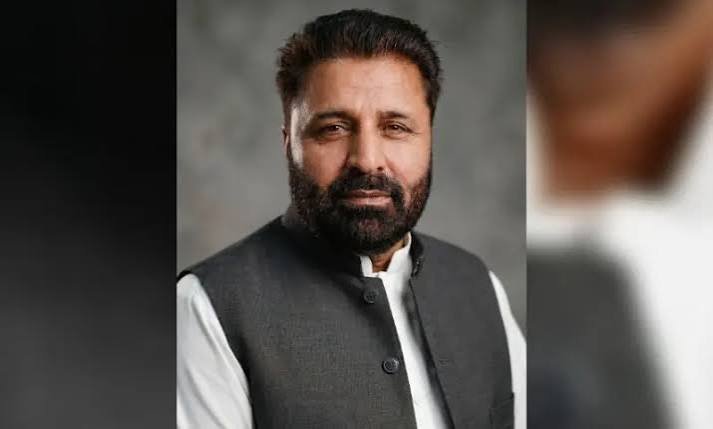
GILGIT — Chief Minister of Gilgit-Baltistan Amjad Hussain Azar chaired the first-ever all parties conference on Kashmir on Monday, reaffirming Pakistan’s unwavering support for the people of Indian Illegally Occupied Jammu and Kashmir (IIOJK). The conference aimed to consolidate political and diplomatic efforts to highlight the plight of Kashmiris at international forums.
What Happened
The conference, held in Gilgit, brought together representatives from various political parties and civil society organizations to discuss the ongoing situation in IIOJK. Chief Minister Azar emphasized the importance of presenting a united front against the human rights violations occurring in the region. “Raising the voice of the oppressed people of IIOJK at international forums is our foremost national responsibility,” he stated.
Participants at the conference unanimously agreed on the necessity of extending political and diplomatic support to the Kashmiris. They also condemned the Indian government’s actions in the region, which have been criticized globally for human rights abuses. The conference concluded with a resolution to continue advocating for the rights of Kashmiris and to engage with international bodies to exert pressure on India to cease its oppressive policies.
The event marked a significant step in Pakistan’s efforts to galvanize international support for the Kashmir cause. By bringing together diverse political voices, the conference underscored the national consensus on the issue and the commitment to pursue justice for the people of IIOJK.
Background
The Kashmir conflict dates back to the partition of British India in 1947, which led to the creation of India and Pakistan. The princely state of Jammu and Kashmir was given the choice to join either country, leading to a prolonged territorial dispute. Since then, the region has witnessed several wars and continuous unrest.
In August 2019, the Indian government revoked Article 370 of its constitution, which granted special autonomy to Jammu and Kashmir. This move was met with widespread protests and increased tensions between India and Pakistan. The international community has expressed concern over the human rights situation in the region, with reports of arbitrary detentions, communication blackouts, and restrictions on freedom of movement.
Why It Matters
The all parties conference on Kashmir is a pivotal development in Pakistan’s strategy to address the Kashmir issue on the global stage. By uniting political factions, the conference strengthens Pakistan’s position in advocating for the rights of Kashmiris. This unified approach is crucial in countering India’s narrative and highlighting the human rights violations in IIOJK.
Economically, the ongoing conflict in Kashmir affects regional stability, which is essential for trade and development in South Asia. The resolution of the Kashmir issue could lead to improved relations between India and Pakistan, potentially opening up new economic opportunities for both countries.
Socially, the conference reflects the solidarity of the Pakistani people with the Kashmiris, reinforcing the cultural and historical ties between the two regions. It also serves as a reminder of Pakistan’s commitment to supporting oppressed communities and advocating for their rights on the international stage.
Internationally, Pakistan’s diplomatic efforts are crucial in garnering support from other nations and international organizations. By highlighting the Kashmir issue, Pakistan aims to increase pressure on India to comply with international human rights standards and seek a peaceful resolution to the conflict.
Key Takeaways
- GB Chief Minister Amjad Hussain Azar chaired the first-ever all parties conference on Kashmir in Gilgit.
- The conference aimed to consolidate political and diplomatic efforts to support the people of IIOJK.
- Participants condemned Indian actions in Kashmir and resolved to advocate for Kashmiri rights internationally.
- The conference strengthens Pakistan’s unified stance on the Kashmir issue.
- Resolving the Kashmir conflict is crucial for regional stability and economic opportunities in South Asia.
Source Attribution
This article is based on official government statements, press releases, and public communications from relevant authorities.














