
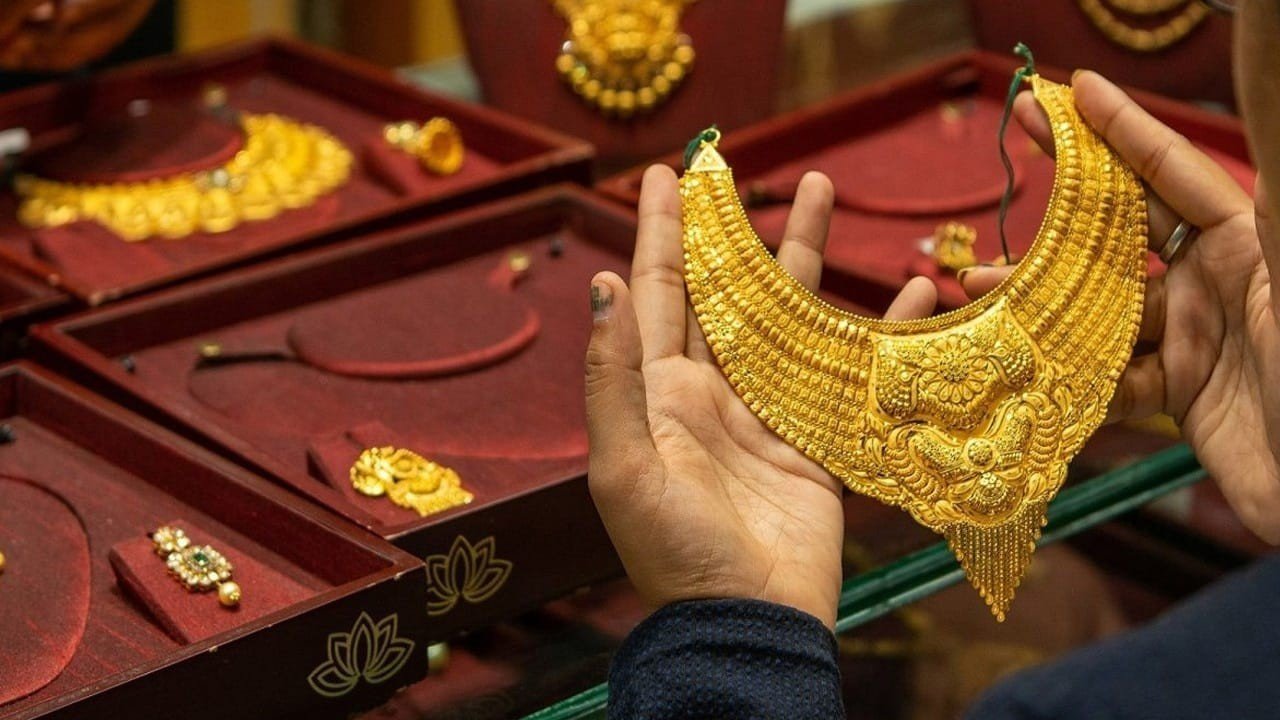
ISLAMABAD — The price of 24-karat gold in Pakistan fell by Rs1,800 per tola on Thursday, settling at Rs435,636, according to the All Pakistan Sarafa Gems and Jewellers Association. This decline reflects ongoing fluctuations in the international gold market and its impact on local pricing.
What Happened
On Thursday, the All Pakistan Sarafa Gems and Jewellers Association reported a significant decrease in the price of gold, with the rate for 24-karat gold per tola dropping by Rs1,800. The new price stands at Rs435,636 per tola. This change in pricing is attributed to variations in the international gold market, which directly influences the local market dynamics in Pakistan.
The association, which regularly updates gold prices based on international market trends and currency exchange rates, noted that the drop was consistent with global market movements. A representative from the association stated, “The gold market is highly sensitive to international trends, and any fluctuation abroad is quickly reflected in local prices.”
In addition to the per tola price, the rate for 10 grams of 24-karat gold also saw a decrease, falling by Rs1,543 to Rs373,428. The price adjustments are a response to the global gold market, which has been experiencing volatility due to various economic factors, including currency fluctuations and changes in investor sentiment.
Background
Gold prices in Pakistan are closely tied to international market trends, as the country imports a significant portion of its gold. The All Pakistan Sarafa Gems and Jewellers Association plays a crucial role in determining daily gold prices, which are influenced by the global market and the exchange rate of the Pakistani rupee against the US dollar.
Historically, gold has been considered a safe investment, particularly during times of economic uncertainty. In Pakistan, gold is not only a popular investment but also an integral part of cultural and social traditions, often used in weddings and other significant life events.
Over the past year, gold prices have seen considerable fluctuation due to global economic conditions, including the COVID-19 pandemic’s impact on the economy, inflationary pressures, and geopolitical tensions. These factors contribute to the volatility in gold prices, affecting both investors and consumers in Pakistan.
Why It Matters
The decline in gold prices is significant for several reasons. Economically, lower gold prices can impact the investment strategies of individuals and institutions. Investors who hold gold as a hedge against inflation or currency devaluation might reconsider their positions, potentially affecting the broader financial market.
Socially, the drop in gold prices could influence consumer behavior, particularly in the context of weddings and other cultural events where gold is traditionally gifted. Lower prices may encourage more purchases, benefiting jewelers and related businesses.
On an international level, the fluctuation in gold prices reflects broader economic trends, including shifts in investor confidence and changes in monetary policy by major economies. These factors can have a ripple effect, influencing economic stability and growth prospects in countries like Pakistan.
For the Pakistani economy, which is already grappling with challenges such as inflation and currency depreciation, the gold market’s volatility adds another layer of complexity. Policymakers and economic analysts will need to monitor these trends closely to mitigate potential adverse effects on the economy.
Key Takeaways
- Gold prices in Pakistan fell by Rs1,800 per tola, settling at Rs435,636.
- The price drop is linked to international market fluctuations and currency exchange rates.
- Gold remains a crucial part of cultural and investment practices in Pakistan.
- Economic and social impacts of price changes are significant for consumers and investors.
- Global economic trends continue to influence local gold market dynamics.
Source Attribution
This article is based on official statements from the All Pakistan Sarafa Gems and Jewellers Association and public communications from relevant authorities.














