
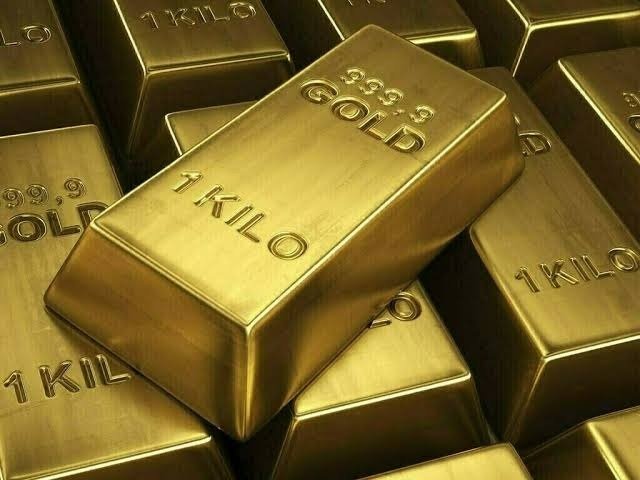
ISLAMABAD — The price of gold in Pakistan’s local market rose by Rs300 per tola on Monday, according to the All Pakistan Sarafa Gems and Jewellers Association. The rate for 24-karat gold reached Rs424,536 per tola, reflecting a notable shift in the precious metal’s valuation.
What Happened
The increase in gold prices comes amid fluctuating market conditions both domestically and internationally. The All Pakistan Sarafa Gems and Jewellers Association reported that the price of 24-karat gold per tola increased by Rs300, bringing the total to Rs424,536. This adjustment is reflective of the ongoing volatility in global gold markets, as well as local economic factors influencing demand and supply.
Gold prices are often sensitive to changes in international markets, currency fluctuations, and geopolitical tensions. In recent weeks, global economic uncertainty has led to increased investment in gold as a safe-haven asset, which has contributed to the rise in prices. Additionally, local market dynamics, including the rupee’s exchange rate against the dollar, also play a critical role in determining gold prices in Pakistan.
The gold market in Pakistan is largely driven by consumer demand, which is influenced by cultural practices and economic conditions. The wedding season, for instance, typically sees a surge in gold purchases, which can drive up prices. This recent increase may also be attributed to such seasonal factors.
Background
Historically, gold has been a significant part of Pakistan’s economy, serving as both an investment and a cultural staple. The country’s gold market is heavily influenced by global trends, as Pakistan imports a substantial portion of its gold. The All Pakistan Sarafa Gems and Jewellers Association regularly updates the prices based on international market rates and local economic conditions.
In the past, gold prices in Pakistan have experienced periods of both rapid increase and decline, often mirroring global economic events. For instance, during times of international financial instability, gold prices tend to rise as investors seek safe-haven assets. Conversely, when the global economy stabilizes, gold prices may decrease as investors return to riskier assets.
Why It Matters
The rise in gold prices has significant implications for various stakeholders in Pakistan. For consumers, particularly those planning weddings or other cultural events, the increase in gold prices can lead to higher costs. This can impact household budgets and potentially alter purchasing decisions.
For investors, the increase in gold prices may present opportunities for profit, especially for those who have already invested in gold. However, it also poses a risk for new investors who may enter the market at a higher price point.
Economically, the fluctuation in gold prices can affect Pakistan’s trade balance. As a major importer of gold, higher prices can lead to increased import costs, affecting the country’s foreign exchange reserves. This, in turn, can have broader implications for the national economy, influencing inflation rates and monetary policy decisions.
On an international level, the rise in gold prices in Pakistan reflects broader trends in the global market. As geopolitical tensions and economic uncertainties persist, gold prices are likely to remain volatile, impacting economies worldwide.
Key Takeaways
- Gold prices in Pakistan rose by Rs300 per tola, reaching Rs424,536 for 24-karat gold.
- The increase is influenced by global market trends and local economic factors.
- Rising gold prices affect consumers, investors, and the national economy.
- Pakistan’s gold market is heavily dependent on international imports and currency exchange rates.
- Global economic uncertainty continues to drive demand for gold as a safe-haven asset.
Source Attribution
This article is based on official government statements, press releases, and public communications from relevant authorities.














