
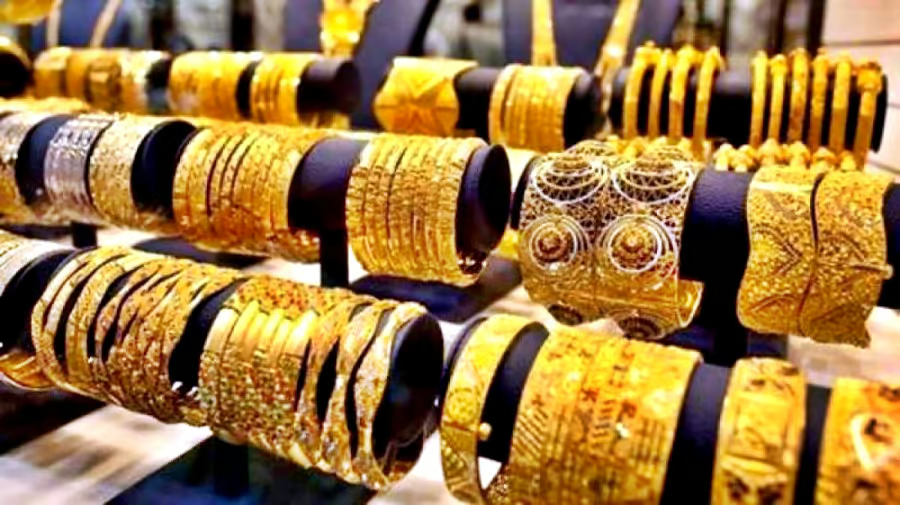
ISLAMABAD — Gold prices have surged by Rs2,400 per tola in Pakistan’s local markets as of Saturday, reflecting significant movements in both domestic and international markets. This increase marks a continued trend of rising gold prices, influenced by global economic factors and local demand.
What Happened
On Saturday, gold prices in Pakistan experienced a notable rise, with the cost per tola increasing by Rs2,400. This adjustment in price aligns with fluctuations seen in international gold markets, where economic uncertainties and currency valuations have played a crucial role in driving up the demand for the precious metal. The local bullion markets in major cities such as Karachi, Lahore, and Islamabad reported the new price, adjusting to the global market trends.
According to market analysts, the increase in gold prices is attributed to several factors, including inflationary pressures and changes in the international currency exchange rates. The weakening of the Pakistani rupee against the US dollar has further exacerbated the price hike, as gold is traded globally in dollars. “The current economic climate, coupled with geopolitical tensions, has led investors to seek refuge in gold, which is traditionally seen as a safe-haven asset,” said a local market expert.
In addition to the international influences, local demand has also contributed to the price rise. With the wedding season underway in Pakistan, there is a heightened demand for gold jewelry, which traditionally sees increased purchases during this period. This seasonal demand has compounded the effects of the global market trends, pushing prices higher.
Background
Gold has long been a preferred investment in Pakistan, serving as a hedge against inflation and currency devaluation. Historically, gold prices have been influenced by a combination of global market dynamics and local economic conditions. In recent years, the volatility in the international markets, particularly due to economic policies in major economies like the United States and China, has had a direct impact on gold prices in Pakistan.
The State Bank of Pakistan’s monetary policies, aimed at stabilizing the national currency and controlling inflation, also play a role in determining the local gold prices. However, external factors such as global economic slowdowns or accelerated growth can often override local monetary measures, leading to fluctuations in gold prices.
Why It Matters
The surge in gold prices holds significant implications for various sectors of the Pakistani economy. For consumers, especially those planning weddings or other events requiring substantial gold purchases, the increased prices could lead to higher expenses. This might result in reduced spending in other areas, affecting overall consumer spending patterns.
For investors, the rising gold prices could present an opportunity to capitalize on the precious metal’s value as a stable investment. As economic uncertainties continue to loom globally, gold remains an attractive option for those looking to preserve wealth. This trend could lead to increased investment in gold, both in physical form and through financial instruments like gold certificates and exchange-traded funds (ETFs).
On a broader scale, the rising gold prices reflect underlying economic challenges, such as inflation and currency devaluation, that Pakistan continues to face. These challenges necessitate careful economic planning and policy adjustments to stabilize the currency and manage inflation, ensuring sustainable economic growth.
Key Takeaways
- Gold prices in Pakistan have increased by Rs2,400 per tola as of Saturday.
- The price surge is influenced by global economic factors and local demand, particularly during the wedding season.
- The weakening of the Pakistani rupee against the US dollar has contributed to the rise in gold prices.
- Rising gold prices impact consumer spending and present investment opportunities in the precious metal.
- Economic challenges such as inflation and currency devaluation continue to affect Pakistan’s economy.
Source Attribution
This article is based on official government statements, press releases, and public communications from relevant authorities.














