
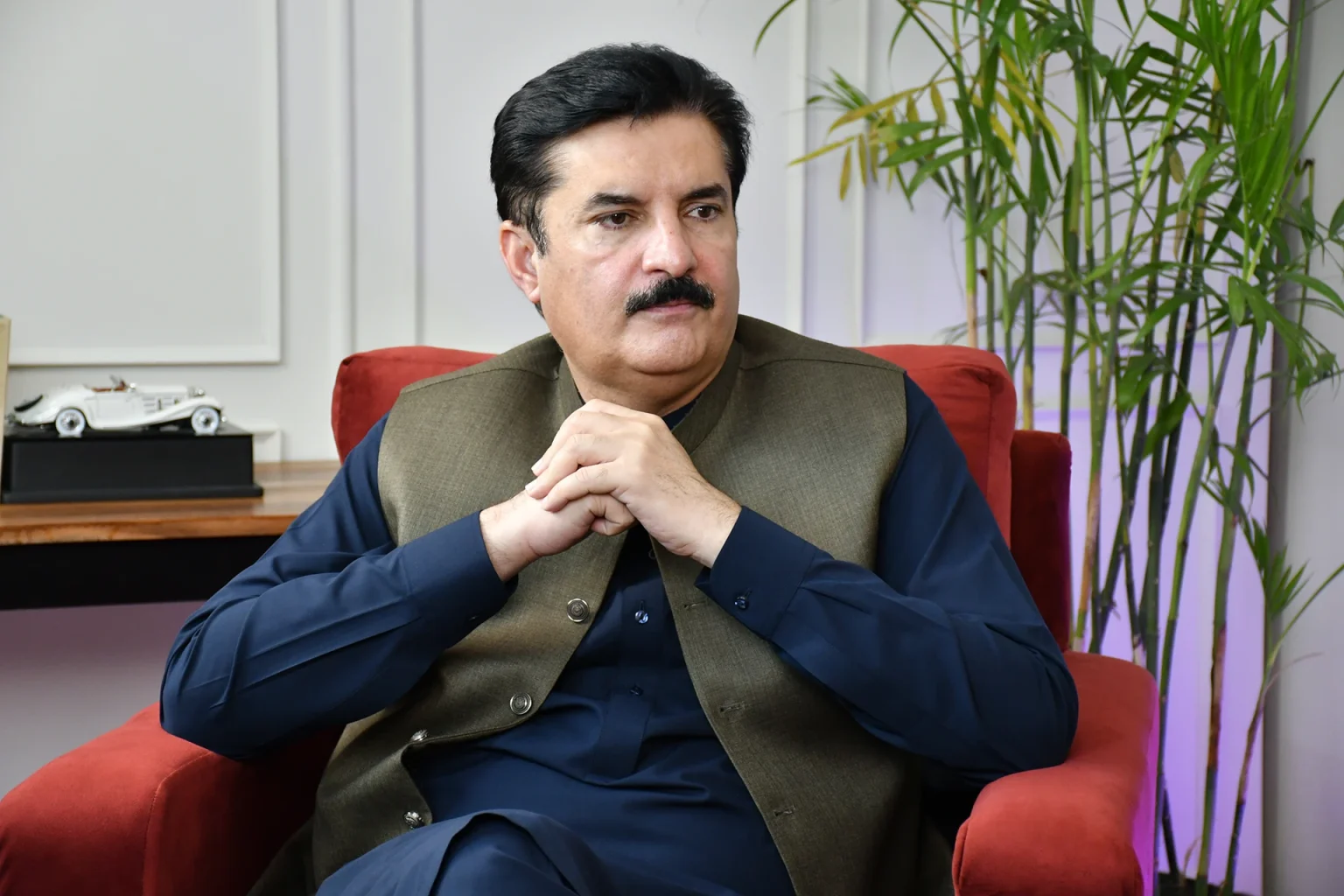
ISLAMABAD — Governor Khyber Pakhtunkhwa Faisal Karim Kundi emphasized the importance of voluntary blood donation, describing it as a national, humanitarian, and moral responsibility. He made these remarks on Saturday during the inaugural session of the Annual Blood Conference held in Islamabad, underscoring the critical role of blood donation in saving lives and bolstering the healthcare system.
What Happened
Governor Faisal Karim Kundi addressed attendees at the Annual Blood Conference, a two-day event aimed at promoting awareness and strategies for enhancing blood donation across Pakistan. In his speech, he stressed that the timely availability of safe blood is crucial for the survival of patients and the overall effectiveness of healthcare services. The governor highlighted that voluntary blood donation is not merely a charitable act but an essential duty that contributes significantly to the welfare of society.
“Ensuring a steady supply of safe blood is paramount for saving lives and strengthening our healthcare infrastructure,” stated Governor Kundi. He called upon citizens to actively participate in blood donation drives and to view this act as a civic duty that supports the nation’s health sector.
The conference gathered healthcare professionals, policymakers, and representatives from various non-governmental organizations to discuss challenges and opportunities in the realm of blood donation. The event featured workshops and panel discussions focusing on innovative approaches to encourage more people to donate blood voluntarily.
Background
Blood donation in Pakistan has historically faced challenges, including a lack of awareness and misconceptions about the process. The country relies heavily on family replacement donations, where relatives of patients donate blood in emergencies. This system often leads to shortages and delays in critical situations.
Efforts to promote voluntary blood donation have been ongoing, with various campaigns and initiatives launched by government and non-governmental organizations. These efforts aim to educate the public about the safety and necessity of blood donation, as well as to dispel myths that discourage people from donating.
The Annual Blood Conference serves as a platform to bring together stakeholders from different sectors to collaborate on improving blood donation practices and policies in Pakistan.
Why It Matters
Voluntary blood donation is a cornerstone of a resilient healthcare system. In Pakistan, where the demand for blood often exceeds supply, promoting voluntary donations is vital for ensuring that hospitals and clinics can provide timely and effective care to patients in need.
The emphasis on voluntary blood donation as a national responsibility has significant implications for public health. By increasing the pool of regular donors, the country can reduce its reliance on emergency donations, which are often less reliable and more stressful for families of patients.
Moreover, fostering a culture of voluntary blood donation can enhance community solidarity and civic engagement. It encourages individuals to contribute to the well-being of their fellow citizens, thereby strengthening social bonds and promoting a sense of shared responsibility.
Governor Kundi’s call to action is particularly relevant in the context of the COVID-19 pandemic, which has strained healthcare resources worldwide. By prioritizing blood donation, Pakistan can better prepare for future health crises and ensure that its healthcare system is equipped to handle emergencies.
Key Takeaways
- Governor Khyber Pakhtunkhwa Faisal Karim Kundi emphasized voluntary blood donation as a national and humanitarian responsibility.
- The Annual Blood Conference in Islamabad focused on promoting awareness and strategies for enhancing blood donation in Pakistan.
- Voluntary blood donation is crucial for ensuring the timely availability of safe blood and strengthening the healthcare system.
- Efforts to promote voluntary blood donation aim to reduce reliance on family replacement donations and improve public health outcomes.
- Fostering a culture of blood donation can enhance community solidarity and prepare the healthcare system for future crises.
Source Attribution
This article is based on official government statements, press releases, and public communications from relevant authorities.














