
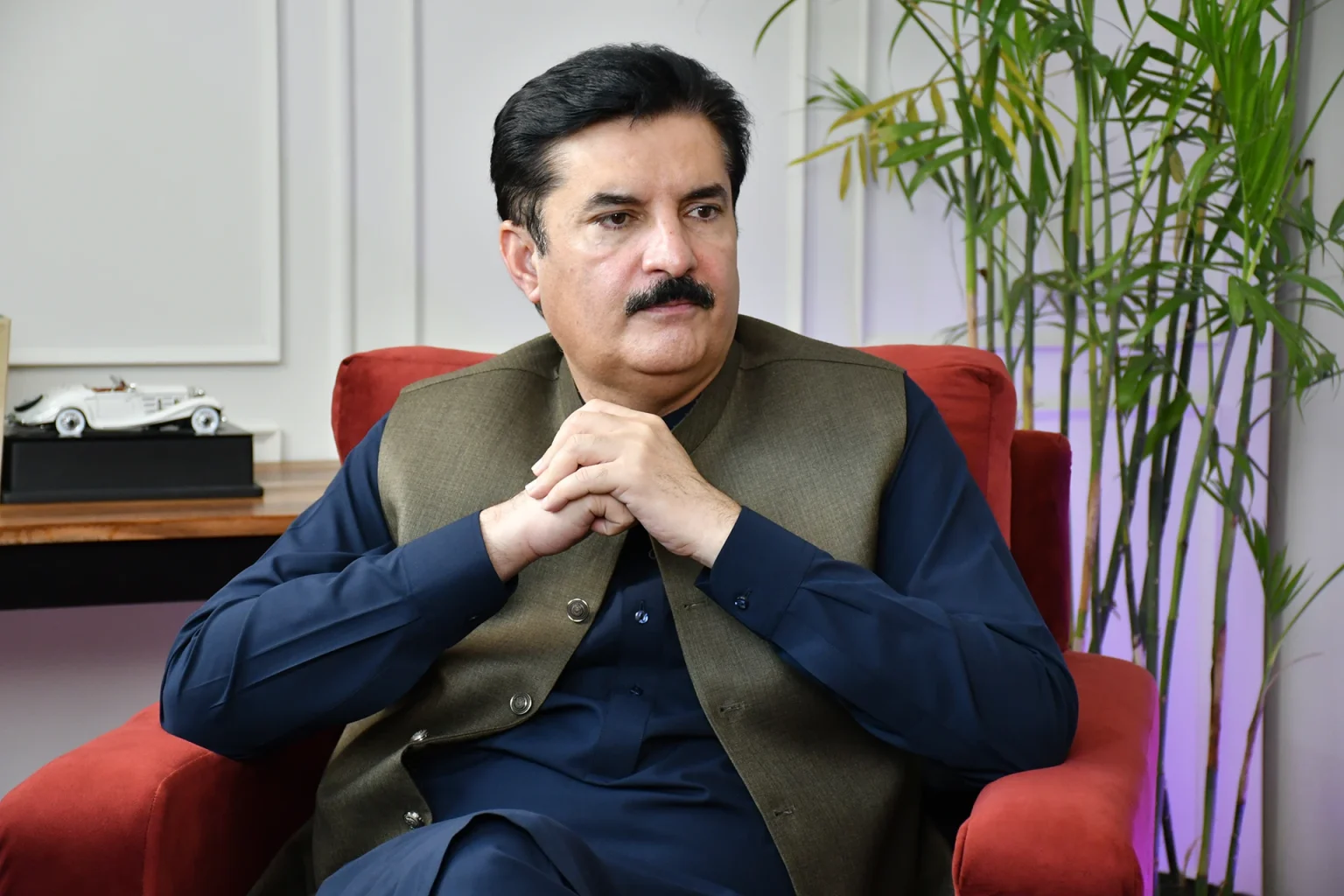
ISLAMABAD — Governor Khyber Pakhtunkhwa Faisal Karim Kundi has advocated for the expansion of National Database and Registration Authority (NADRA) Citizen Facilitation Centres (CFCs) across the province. On Friday, he emphasized the need to extend these services to remote and underdeveloped areas, aiming to improve access to essential identity registration and public services for residents.
What Happened
Governor Faisal Karim Kundi called for an increase in the number of NADRA Citizen Facilitation Centres in Khyber Pakhtunkhwa, particularly focusing on underserved and remote regions. The governor highlighted the importance of these centers in providing crucial services such as identity registration, which is essential for accessing various governmental and social services. “Expanding the network of NADRA’s Citizen Facilitation Centres will ensure that all citizens, regardless of their location, have equal access to vital registration services,” stated Governor Kundi during a meeting held in Peshawar.
The current infrastructure of NADRA in the province is concentrated in urban and semi-urban areas, leaving many rural communities without easy access to these services. Governor Kundi’s proposal aims to address these disparities by establishing more centers in less accessible areas. This initiative is expected to facilitate better service delivery and enhance the efficiency of public service access for citizens residing in these regions.
Governor Kundi also stressed the importance of modernizing the existing centers to improve their operational capabilities. He pointed out that the integration of advanced technologies could streamline processes, reduce wait times, and improve the overall user experience for citizens. “We must ensure that our facilities are equipped with the latest technology to meet the growing demands of our population,” he added.
Background
NADRA, established in 2000, is responsible for maintaining the national database and providing identity documentation to Pakistani citizens. Over the years, it has expanded its services to include a range of public facilitation services through its Citizen Facilitation Centres. These centers play a critical role in the registration process, issuance of national identity cards, and provision of other related services.
Khyber Pakhtunkhwa, with its diverse geography and socio-economic challenges, has faced difficulties in ensuring equitable access to NADRA services. The province’s mountainous terrain and dispersed population have historically limited the reach of public services. Previous efforts to expand NADRA’s network have focused on urban areas, leaving rural communities underserved.
Why It Matters
The expansion of NADRA’s Citizen Facilitation Centres in Khyber Pakhtunkhwa is significant for several reasons. Economically, it can lead to better integration of rural populations into the formal economy by providing them with the necessary documentation to access financial services, employment opportunities, and government benefits. Socially, it promotes inclusivity and equal access to services, reducing the urban-rural divide in service provision.
Politically, this move aligns with the government’s broader agenda of improving governance and public service delivery across all regions. By enhancing NADRA’s reach, the government can ensure that more citizens participate in democratic processes, such as voting, which requires valid identity documentation.
Internationally, expanding access to identity registration aligns with global development goals, including the United Nations’ Sustainable Development Goals, which emphasize the importance of legal identity for all. This initiative demonstrates Pakistan’s commitment to these goals by improving service delivery and ensuring that no citizen is left behind.
Key Takeaways
- Governor Kundi has called for the expansion of NADRA centers in remote areas of Khyber Pakhtunkhwa.
- The initiative aims to improve access to identity registration and public services for underserved populations.
- Modernizing existing centers with advanced technology is also a priority to enhance service delivery.
- This expansion supports economic integration, social inclusivity, and aligns with global development goals.
- The move is part of broader efforts to improve governance and public service access across Pakistan.
Source Attribution
This article is based on official government statements and public communications from relevant authorities.














