
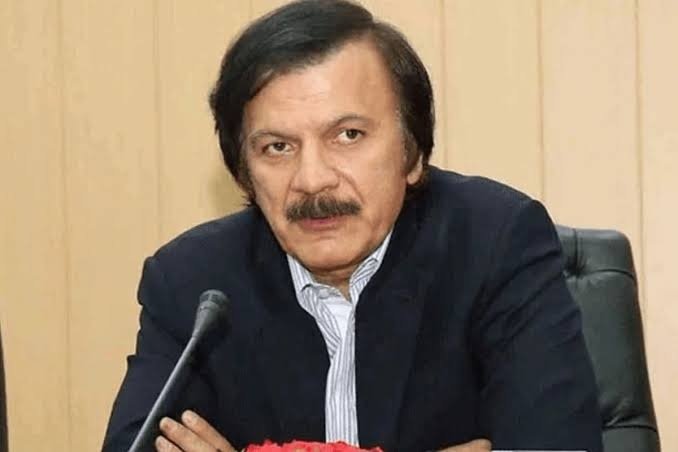
ISLAMABAD — Special Assistant to the Prime Minister on Industries and Production Haroon Akhtar Khan on Tuesday attended a significant event where a Memorandum of Understanding (MoU) was signed between StarCharge, StarCharge Energy Pakistan, and Bahum Global Ltd. The agreement aims to enhance Pakistan’s electric vehicle (EV) ecosystem by fostering collaboration among key industry players.
What Happened
The MoU signing ceremony took place in Islamabad, marking a strategic partnership intended to advance the infrastructure and adoption of electric vehicles in Pakistan. Haroon Akhtar Khan, representing the government’s interest in promoting sustainable energy solutions, witnessed the agreement between StarCharge, a leading EV charging solutions provider, StarCharge Energy Pakistan, and Bahum Global Ltd, a company focused on renewable energy projects.
During the event, Haroon Akhtar Khan emphasized the government’s commitment to transitioning towards greener technologies. “This partnership is a step forward in our journey to make Pakistan a hub for electric vehicles,” Khan stated. The collaboration is expected to focus on the development of EV charging stations, enhancing the accessibility and convenience of electric vehicles for the Pakistani populace.
StarCharge, known for its innovative charging solutions, will bring its expertise to Pakistan, while Bahum Global Ltd will leverage its local market knowledge to facilitate the implementation of these technologies. This partnership is anticipated to play a crucial role in reducing Pakistan’s carbon footprint and aligning with global environmental standards.
Background
Pakistan has been gradually shifting its focus towards renewable energy and sustainable practices. In recent years, the government has introduced various policies to encourage the adoption of electric vehicles. The National Electric Vehicle Policy, approved in 2019, aims to promote the use of EVs by providing incentives and establishing necessary infrastructure.
Despite these efforts, the adoption rate of electric vehicles in Pakistan remains low due to challenges such as inadequate charging infrastructure and high initial costs. The collaboration between StarCharge and Bahum Global Ltd seeks to address these issues by enhancing the availability of charging stations and potentially reducing costs through technological advancements and economies of scale.
Why It Matters
The signing of this MoU is significant for several reasons. Economically, it represents a potential boost to Pakistan’s automotive industry by attracting investment and creating jobs in the EV sector. The development of a robust EV infrastructure is expected to stimulate local manufacturing and ancillary industries, contributing to economic growth.
Socially, the increased availability of electric vehicles and charging stations could lead to a reduction in air pollution, particularly in urban areas where vehicular emissions are a major concern. This aligns with public health goals and could improve the quality of life for citizens by providing cleaner air and a healthier environment.
On an international level, Pakistan’s commitment to enhancing its EV ecosystem positions the country as a proactive participant in global efforts to combat climate change. By reducing reliance on fossil fuels, Pakistan can improve its energy security and reduce its carbon emissions, contributing to international climate agreements and goals.
Key Takeaways
- An MoU was signed between StarCharge, StarCharge Energy Pakistan, and Bahum Global Ltd to enhance Pakistan’s EV infrastructure.
- Special Assistant to the Prime Minister Haroon Akhtar Khan emphasized the government’s commitment to sustainable energy solutions.
- The partnership aims to develop EV charging stations and promote the adoption of electric vehicles in Pakistan.
- This initiative supports Pakistan’s National Electric Vehicle Policy and aims to reduce the country’s carbon footprint.
- The collaboration is expected to boost the local economy and improve air quality by reducing vehicular emissions.
Source Attribution
This article is based on official government statements, press releases, and public communications from relevant authorities.














