
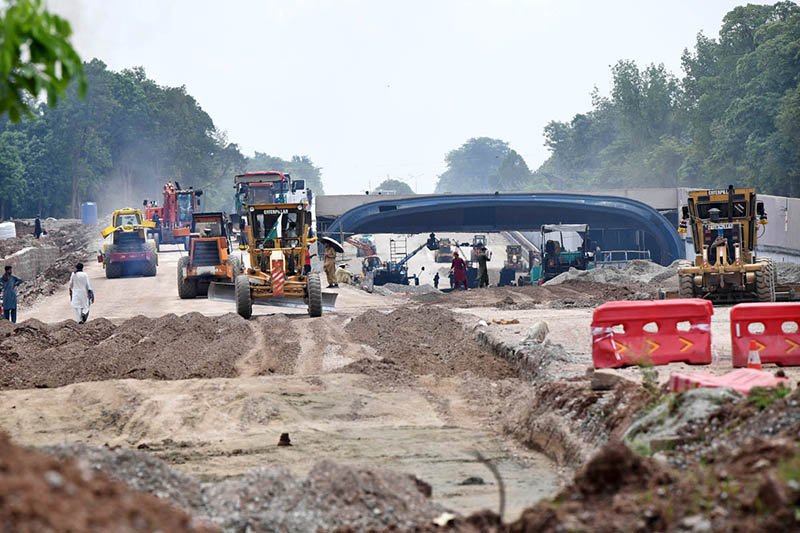
ISLAMABAD — Heavy machinery has been deployed at an underpass construction site along Park Road in Islamabad, signaling significant progress in the development work within the federal capital. The project, aimed at easing traffic congestion, is a part of the city’s broader infrastructure development plan.
What Happened
The deployment of heavy machinery marks a crucial phase in the construction of an underpass on Park Road, a key artery in Islamabad’s transportation network. The development is expected to streamline traffic flow, particularly during peak hours, and reduce travel time for commuters. According to officials overseeing the project, the construction is progressing on schedule, with the machinery being used for excavation and foundational work.
The Capital Development Authority (CDA), responsible for the project, has emphasized the importance of this development in addressing the growing traffic demands of the city. A CDA spokesperson stated, “The underpass is designed to alleviate traffic congestion and improve the overall efficiency of the road network in Islamabad.” The project is part of a series of infrastructure enhancements planned for the capital to accommodate its expanding population and increasing vehicular load.
The underpass on Park Road is strategically located to serve as a critical junction, linking various residential and commercial areas. This initiative is expected to benefit thousands of daily commuters, including those traveling to educational institutions and business centers situated along the road.
Background
Islamabad has been experiencing rapid urbanization, leading to increased traffic congestion on its roads. The city’s master plan includes several infrastructure projects aimed at addressing these challenges. The construction of underpasses and flyovers has been prioritized to ensure smooth traffic flow and enhance connectivity between different parts of the city.
Park Road has long been identified as a bottleneck due to its high traffic volume. Previous studies conducted by the CDA highlighted the need for an underpass to facilitate uninterrupted traffic movement. This project is part of a larger initiative that includes the expansion of existing roads and the construction of new routes to support the city’s growth.
Why It Matters
The construction of the underpass on Park Road holds significant implications for Islamabad’s urban development and transportation infrastructure. By addressing traffic congestion, the project is expected to improve the quality of life for residents and enhance the city’s economic productivity. Reduced travel time will not only benefit daily commuters but also contribute to lower fuel consumption and emissions, aligning with environmental sustainability goals.
Economically, the improved traffic flow can attract businesses and investments by providing better accessibility to commercial areas. This development is likely to stimulate economic activity and create job opportunities, contributing to the city’s economic growth.
Socially, the project underscores the government’s commitment to enhancing urban infrastructure and improving public services. It reflects the ongoing efforts to modernize Islamabad’s transportation network, making it more efficient and responsive to the needs of its residents.
Internationally, successful infrastructure projects like this can enhance Pakistan’s image as a country capable of executing large-scale urban development initiatives. It demonstrates the government’s ability to plan and implement projects that meet international standards, potentially attracting foreign investment in future projects.
Key Takeaways
- Heavy machinery has been deployed for the underpass construction on Park Road, Islamabad.
- The project aims to reduce traffic congestion and improve travel efficiency.
- It is part of Islamabad’s broader infrastructure development plan to support urban growth.
- The project is expected to have economic, social, and environmental benefits.
- Successful completion may enhance Pakistan’s international investment appeal.
Source Attribution
This article is based on official government statements, press releases, and public communications from relevant authorities.














