
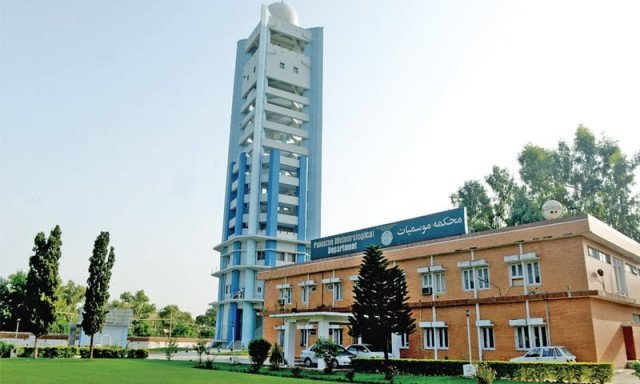
ISLAMABAD — The Pakistan Meteorological Department (PMD) has issued a weather forecast indicating the likelihood of rain and isolated heavy falls in the upper parts of the country on Thursday. The forecast highlights potential weather changes in regions including Kashmir, Gilgit-Baltistan, Khyber Pakhtunkhwa, Islamabad, and upper and central Punjab.
What Happened
The PMD’s latest forecast suggests that while most parts of Pakistan will experience mainly hot and humid conditions, there will be significant weather activity in the northern regions. According to the PMD, rain-wind/thundershowers are expected to occur in various areas, with isolated heavy falls anticipated in specific locations. This weather pattern is attributed to the prevailing meteorological conditions that are conducive to such developments.
In Kashmir and Gilgit-Baltistan, residents are advised to prepare for potential heavy rainfall, which could lead to localized flooding in susceptible areas. Similarly, Khyber Pakhtunkhwa, Islamabad, and parts of Punjab may experience periods of intense rain accompanied by gusty winds and thunderstorms.
The PMD has urged local authorities and the public to remain vigilant and take necessary precautions to mitigate the impact of these weather conditions. “We are closely monitoring the situation and will provide updates as needed,” a PMD official stated, emphasizing the importance of staying informed through official channels.
Background
Paksitan’s diverse topography and climate patterns often result in varied weather conditions across different regions. The northern areas, including Kashmir and Gilgit-Baltistan, are particularly prone to heavy rainfall during the monsoon season, which typically spans from July to September. This period is characterized by increased precipitation due to the southwesterly monsoon winds that bring moisture from the Arabian Sea.
Historically, heavy rains in these regions have led to challenges such as flash floods, landslides, and disruptions to daily life. The PMD plays a crucial role in monitoring weather patterns and issuing timely forecasts to help mitigate the risks associated with extreme weather events.
Why It Matters
The anticipated rainfall in northern Pakistan holds significant implications for both the local population and the broader socio-economic landscape. For residents in affected areas, heavy rainfall can pose immediate risks, including flooding and damage to infrastructure. Such events can disrupt transportation, hinder access to essential services, and impact agriculture, which is a vital source of livelihood for many communities.
Economically, the agricultural sector could face challenges as heavy rains may damage crops, affecting food supply and prices. This is particularly concerning in regions where agriculture is a major economic activity. Additionally, infrastructure damage from flooding can lead to costly repairs and impact economic productivity.
On a social level, the safety and well-being of residents are paramount. Adequate preparation and timely response to weather warnings can help minimize the adverse effects on communities. The role of local authorities in disseminating information and coordinating emergency responses is crucial in safeguarding lives and property.
Furthermore, the forecast serves as a reminder of the broader impacts of climate change, which is expected to increase the frequency and intensity of extreme weather events. This underscores the need for comprehensive climate adaptation strategies to enhance resilience in vulnerable areas.
Key Takeaways
- The PMD forecasts rain and isolated heavy falls in northern Pakistan on Thursday.
- Regions likely to be affected include Kashmir, Gilgit-Baltistan, Khyber Pakhtunkhwa, Islamabad, and parts of Punjab.
- Residents are advised to stay informed and take precautions against potential flooding and infrastructure damage.
- Heavy rainfall poses risks to agriculture and infrastructure, with broader economic and social implications.
- The forecast highlights the ongoing challenges posed by climate change and the need for adaptive strategies.
Source Attribution
This article is based on official government statements, press releases, and public communications from relevant authorities.














