
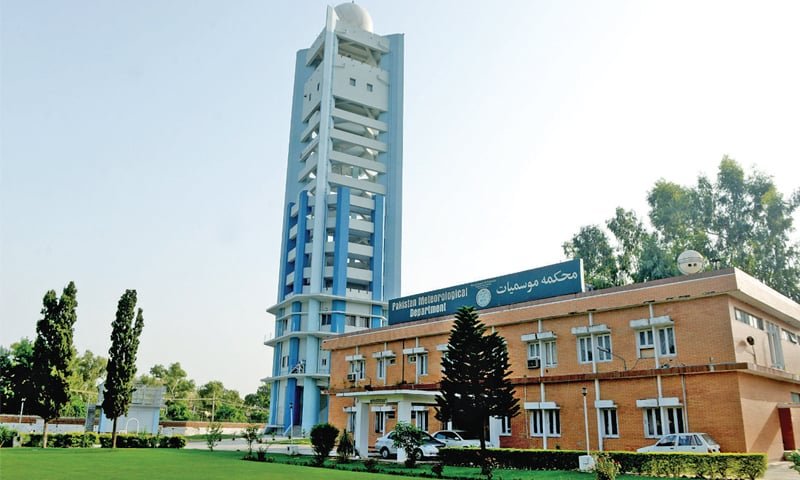
KARACHI — The Pakistan Meteorological Department (PMD) has forecast hot and humid weather conditions across most parts of Sindh, with particularly high temperatures expected in the central and upper districts. The forecast, issued on Saturday, also indicates a possibility of partly cloudy skies and isolated drizzle in coastal areas over the next 24 hours.
What Happened
The PMD’s latest weather bulletin predicts that residents of Sindh should brace themselves for a spell of hot and humid weather. According to the department, the central and upper districts of the province will experience very hot conditions during the daytime. Coastal areas, including Karachi, may see partly cloudy skies with chances of isolated drizzle, providing some relief from the heat.
The forecast comes as Sindh continues to experience the seasonal transition from monsoon to post-monsoon weather patterns. Temperatures in the central and upper regions are expected to soar, with humidity levels making the conditions feel even more oppressive. Residents are advised to take necessary precautions to avoid heat-related illnesses.
“We are expecting temperatures to rise significantly in districts like Sukkur, Larkana, and Dadu,” a PMD official stated. “The coastal belt, including Karachi, might experience some cloud cover and light drizzle, which could provide temporary relief from the heat.”
Background
Sindh, located in the southeastern part of Pakistan, often experiences extreme weather conditions due to its geographical location. The province is characterized by its arid climate, with hot summers and mild winters. The monsoon season, which typically spans from July to September, brings significant rainfall, especially to the coastal areas.
In recent years, climate change has exacerbated weather extremes in the region, leading to more frequent heatwaves and unpredictable rainfall patterns. The PMD has been closely monitoring these changes and issuing timely alerts to help residents prepare for adverse weather conditions.
Historically, the transition from the monsoon to the post-monsoon period in Sindh can lead to fluctuations in temperature and humidity. This year, the PMD has noted an increase in temperature trends, aligning with global patterns of rising temperatures.
Why It Matters
The forecasted hot and humid weather in Sindh holds significant implications for the province’s residents and economy. High temperatures and humidity can lead to health risks, particularly heat exhaustion and heatstroke. Vulnerable populations, such as the elderly and those with pre-existing health conditions, are at greater risk.
Economically, the agricultural sector, which is a major component of Sindh’s economy, could be impacted by the extreme weather. Crops such as cotton, rice, and sugarcane are sensitive to temperature fluctuations, and prolonged heat can affect yields. Farmers may need to take additional measures to protect their crops and ensure adequate water supply.
Additionally, the energy sector could face increased demand as residents rely more on air conditioning and cooling systems to cope with the heat. This could strain the already fragile power infrastructure in the province, leading to potential outages and disruptions.
On a broader scale, the weather patterns in Sindh reflect the ongoing challenges posed by climate change. As temperatures rise globally, regions like Sindh are likely to experience more frequent and severe weather events, necessitating adaptive measures and robust infrastructure to mitigate the impacts.
Key Takeaways
- The Pakistan Meteorological Department has forecast hot and humid weather across most of Sindh, with very hot conditions in central and upper districts.
- Coastal areas, including Karachi, may experience partly cloudy skies and isolated drizzle, offering temporary relief.
- High temperatures pose health risks, particularly for vulnerable populations, and could impact agriculture and energy demand.
- Sindh’s weather patterns are indicative of broader climate change challenges, necessitating adaptive measures.
- Residents are advised to take precautions to mitigate the effects of heat and humidity.
Source Attribution
This article is based on official statements and public communications from the Pakistan Meteorological Department.














