
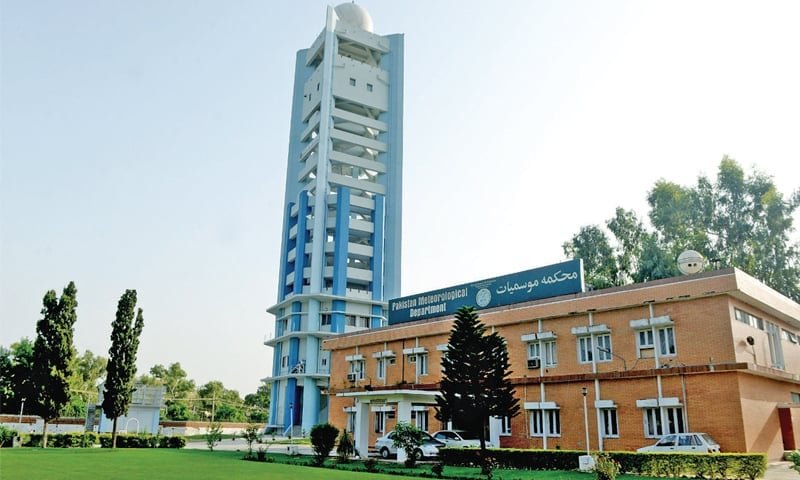
ISLAMABAD — The Pakistan Meteorological Department (PMD) has predicted that hot and humid weather will continue to prevail across most parts of the country on Saturday, with the possibility of rain and thundershowers in the northern regions. This forecast comes as the country experiences a prolonged period of high temperatures and humidity.
What Happened
According to the PMD, the weather is expected to remain hot and humid in the majority of the country, including major urban centers such as Karachi, Lahore, and Islamabad. However, isolated rain-wind/thundershowers are anticipated in the upper parts of the country, particularly in Kashmir, Khyber Pakhtunkhwa, northeastern and southern Punjab, and Gilgit-Baltistan.
The PMD’s forecast indicates that these regions may experience some relief from the oppressive heat due to the expected precipitation. “We are expecting rain and thundershowers in the northern parts, which could bring temporary respite from the heat,” stated a PMD spokesperson. The department has advised residents in these areas to remain cautious of potential weather-related disruptions.
The likelihood of rain is attributed to the prevailing weather systems affecting the region. The PMD has been monitoring these systems closely to provide timely updates and warnings to the public. The department has also urged citizens to stay informed through official channels to ensure their safety during adverse weather conditions.
Background
Paksitan has been grappling with extreme weather patterns in recent years, largely attributed to climate change. The country has witnessed a rise in the frequency and intensity of heatwaves, particularly in urban areas. The current spell of hot and humid weather is not unusual for this time of year, but the added impact of climate change has exacerbated the situation.
Historically, the monsoon season in Pakistan runs from July to September, bringing much-needed rain to various parts of the country. However, the distribution and intensity of rainfall have become increasingly erratic, posing challenges for agriculture and water management. The PMD plays a crucial role in forecasting weather patterns and issuing warnings to mitigate the impact of extreme weather events.
Why It Matters
The continuation of hot and humid weather, coupled with the potential for rain in northern regions, holds significant implications for Pakistan’s socio-economic landscape. Prolonged heatwaves can lead to increased health risks, particularly for vulnerable populations such as the elderly and those with pre-existing health conditions. The expected rain could provide some relief, but it also raises concerns about potential flooding and landslides in hilly areas.
Economically, the agricultural sector is particularly vulnerable to weather fluctuations. Farmers rely heavily on predictable weather patterns to plan their planting and harvesting cycles. The erratic nature of rainfall can disrupt these cycles, leading to reduced crop yields and financial losses. This, in turn, affects food security and the livelihoods of millions of people dependent on agriculture.
On a broader scale, the weather patterns underscore the urgent need for Pakistan to address climate change and invest in sustainable infrastructure. Improved forecasting and early warning systems can help mitigate the impact of extreme weather events, but long-term solutions require comprehensive policy measures and international cooperation.
Key Takeaways
- The PMD forecasts continued hot and humid weather across most of Pakistan on Saturday.
- Rain and thundershowers are expected in northern regions, including Kashmir and Khyber Pakhtunkhwa.
- The weather conditions highlight the challenges posed by climate change and the need for effective mitigation strategies.
- Prolonged heatwaves and erratic rainfall patterns have significant socio-economic implications, particularly for agriculture.
- Residents are advised to stay informed and take precautions during adverse weather conditions.
Source Attribution
This article is based on official statements from the Pakistan Meteorological Department and public communications from relevant authorities.














