
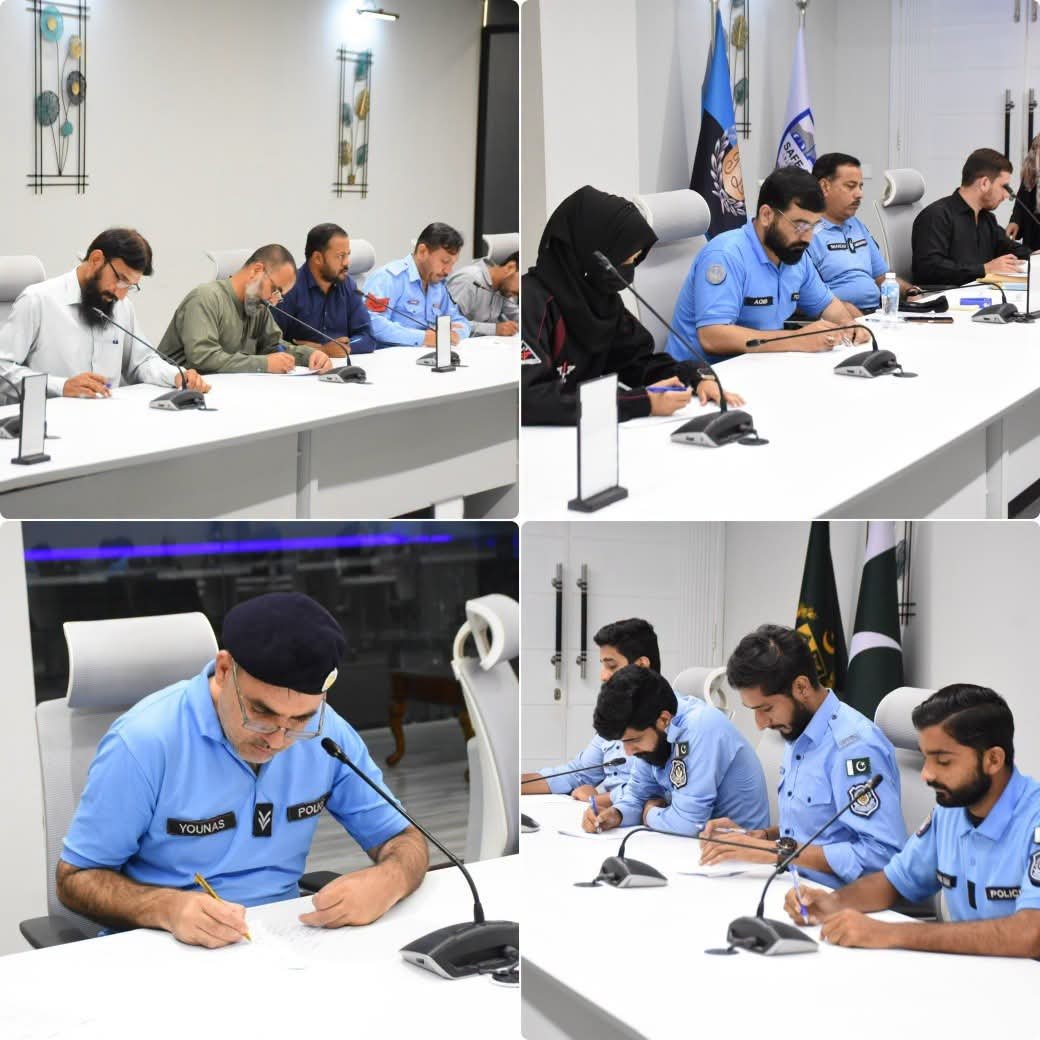
ISLAMABAD — The Islamabad Capital Territory (ICT) Police have initiated a comprehensive psychological testing program for their officers and personnel. This initiative, directed by Inspector General of Police (IGP) Islamabad Syed Ali Nasir Rizvi, aims to bolster the mental capabilities, professional performance, and overall efficiency of the police force.
What Happened
The ICT Police have embarked on a systematic approach to improve the mental acuity and professional skills of their officers through psychological assessments. These tests are designed to identify areas where officers may require further development or support, thereby enhancing their ability to perform their duties effectively. According to official statements, the program is part of a broader strategy to ensure that the police force is not only physically fit but also mentally resilient.
IGP Syed Ali Nasir Rizvi emphasized the importance of mental health in law enforcement, stating, “The psychological well-being of our officers is crucial for maintaining high standards of law enforcement and public safety.” The testing involves a series of evaluations that measure various cognitive and emotional aspects, ensuring that officers are equipped to handle the stresses and challenges of their roles.
This initiative is not a one-time effort but part of an ongoing commitment to professional development within the ICT Police. The assessments are expected to be followed by tailored training programs and support systems to address any identified needs. This proactive approach is anticipated to result in a more competent and responsive police force.
Background
The ICT Police have been at the forefront of implementing modern policing techniques in Pakistan. Over the years, there has been a growing recognition of the need for psychological support and development in law enforcement agencies worldwide. Historically, police forces have focused predominantly on physical training, but recent trends highlight the importance of mental health and psychological resilience.
In Pakistan, the move towards integrating psychological assessments into police training aligns with similar initiatives globally. Countries like the United States and the United Kingdom have long incorporated psychological evaluations as a standard part of police training and development. This shift reflects a broader understanding of the complex nature of policing and the diverse challenges officers face in their line of duty.
Why It Matters
The introduction of psychological testing within the ICT Police holds significant implications for the effectiveness and efficiency of law enforcement in Islamabad. By focusing on the mental health of officers, the police force can better manage stress, reduce incidents of burnout, and improve decision-making under pressure. This not only enhances individual performance but also contributes to the overall safety and security of the community.
Moreover, this initiative reflects a progressive attitude towards policing in Pakistan, aligning with international best practices. It underscores a commitment to modernizing the police force, which is crucial in a rapidly changing socio-political landscape. As crime becomes more sophisticated, the need for a mentally agile and resilient police force becomes paramount.
For the citizens of Islamabad, this development promises a more effective and empathetic police service. Officers who are psychologically well-equipped are more likely to engage positively with the community, fostering trust and cooperation between the police and the public. This can lead to improved crime prevention and resolution, ultimately enhancing the quality of life in the capital.
Key Takeaways
- The ICT Police have launched psychological testing to enhance officer performance.
- This initiative is directed by IGP Syed Ali Nasir Rizvi and focuses on mental resilience.
- The program aligns with international best practices in law enforcement.
- Psychological assessments are expected to improve officer decision-making and community relations.
- This effort reflects a modernization of policing strategies in Pakistan.
Source Attribution
This article is based on official government statements and public communications from relevant authorities.














