
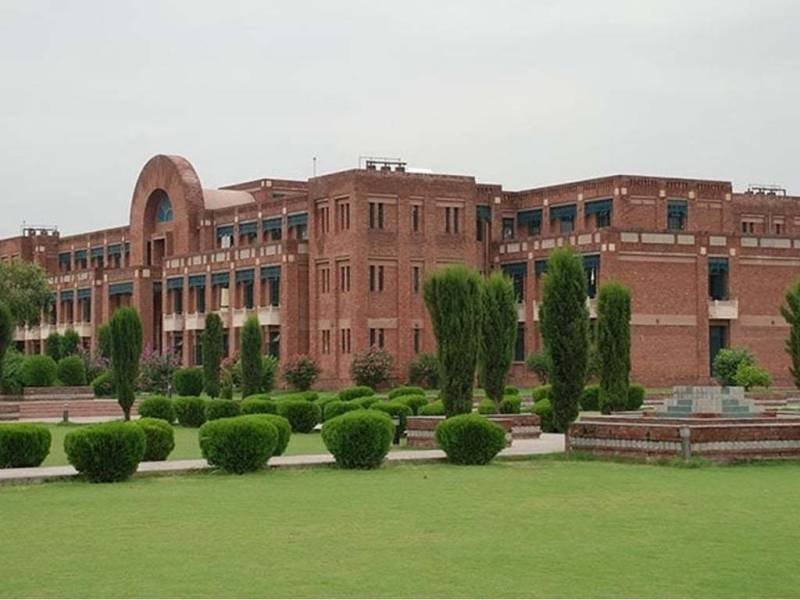
ISLAMABAD — The International Islamic University Islamabad (IIUI) has dismissed recent reports that questioned the selection and appointment process of its vice presidents. According to the university, these reports are incomplete and misleading, with the institution affirming that the appointments were conducted in accordance with the IIUI Ordinance 1985 and approved by the Board of Governors.
What Happened
The controversy emerged when certain media outlets published reports raising concerns about the transparency and legitimacy of the appointment process for the vice presidents at IIUI. These reports suggested potential irregularities and a lack of adherence to procedural norms. In response, the university issued a statement on Tuesday, categorically rejecting these claims. The statement emphasized that the entire process was carried out under the established legal framework provided by the IIUI Ordinance 1985.
IIUI clarified that all appointments were duly approved by the university’s Board of Governors, a body responsible for overseeing major administrative decisions. The university further stated that no adverse orders or findings had been issued against the appointments, thereby affirming their legitimacy. “The process was transparent and adhered to all legal and administrative protocols,” an official from the university remarked.
The university’s response aims to quell any doubts about the integrity of its administrative processes and to reassure stakeholders of its commitment to governance and transparency.
Background
The International Islamic University Islamabad, established in 1980, is governed by the IIUI Ordinance 1985, which outlines the procedures for administrative appointments. The Board of Governors, which includes representatives from various sectors, plays a crucial role in ensuring that the university’s operations align with its mission and legal mandates. Over the years, the university has expanded its influence and academic offerings, becoming a significant center for Islamic education and research in Pakistan.
Historically, the appointment of senior officials in educational institutions in Pakistan has occasionally been subject to scrutiny and controversy, often reflecting broader concerns about governance and transparency in public institutions. The IIUI’s recent experience is not isolated, as similar issues have been reported in other universities across the country.
Why It Matters
The integrity of appointment processes in educational institutions is of paramount importance, as it directly impacts the quality of education and administration. For IIUI, maintaining transparency in its administrative processes is crucial not only for its reputation but also for its ability to attract and retain top academic talent. The university’s swift response to the allegations underscores its commitment to upholding these standards.
This incident also highlights the broader challenges faced by educational institutions in Pakistan regarding governance and public perception. Ensuring transparency and adherence to legal frameworks is essential for building trust among stakeholders, including students, faculty, and the wider community. Moreover, such controversies can affect international collaborations and funding opportunities, which are vital for the growth and development of universities like IIUI.
On a national level, the scrutiny of IIUI’s appointments reflects ongoing concerns about the governance of public institutions in Pakistan. Ensuring that these institutions operate transparently and effectively is critical for the country’s educational and socio-economic development.
Key Takeaways
- IIUI has rejected reports questioning the appointment process of its vice presidents, labeling them as misleading.
- The appointments were conducted under the IIUI Ordinance 1985 and approved by the Board of Governors.
- No adverse orders or findings have been issued against the appointments, according to the university.
- The incident underscores the importance of transparency and governance in educational institutions.
- Broader implications for trust and international collaboration in Pakistan’s educational sector are evident.
Source Attribution
This article is based on official statements and public communications from the International Islamic University Islamabad.














