
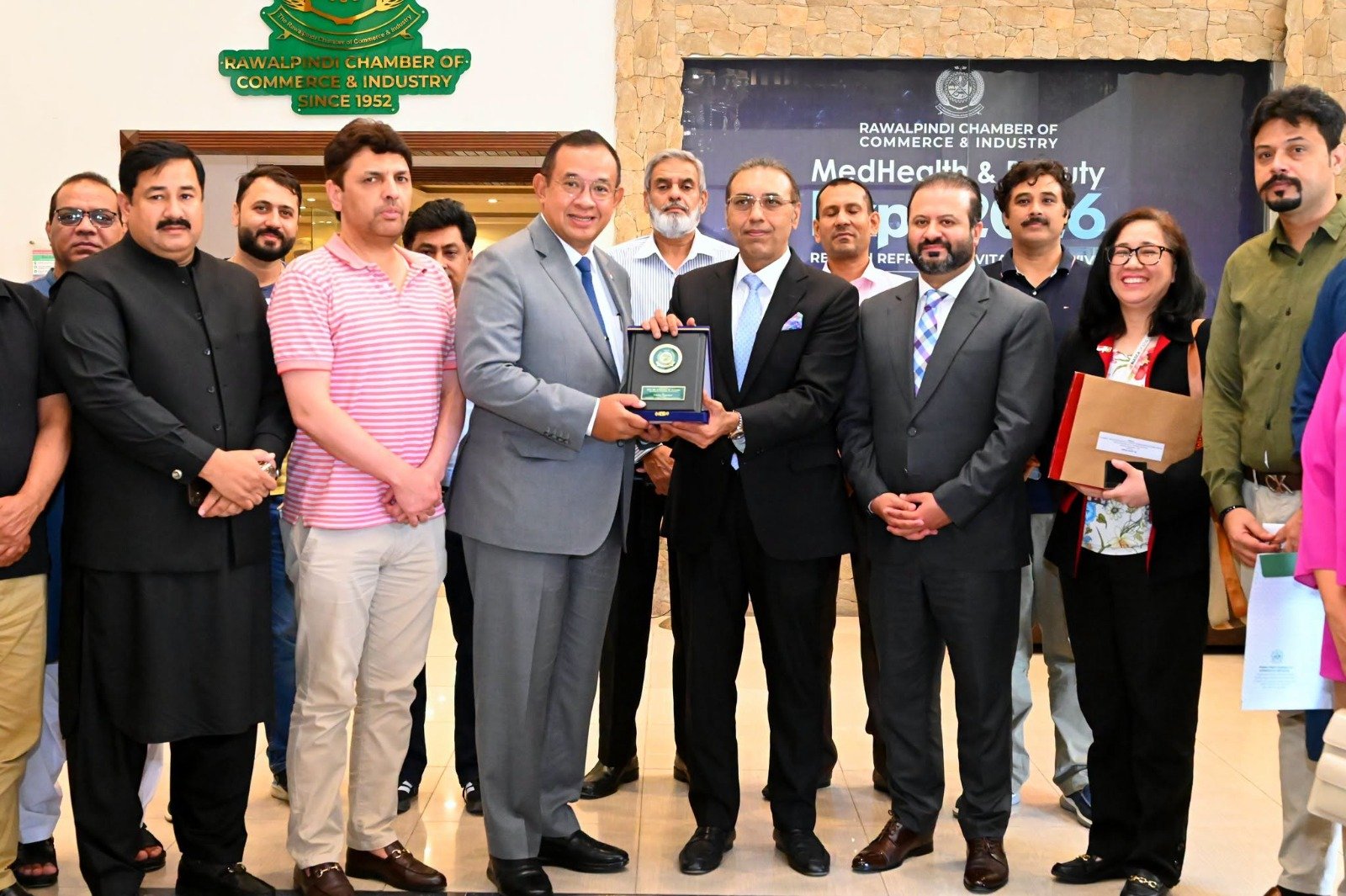
RAWALPINDI — Indonesian Ambassador Chandra W. Sukotjo announced streamlined visa processes for Pakistani exporters attending the 41st Trade Expo Indonesia. The announcement was made during a visit to the Rawalpindi Chamber of Commerce and Industry (RCCI) on August 3, aiming to bolster economic ties between the two nations.
What Happened
During his official visit to the RCCI, Ambassador Sukotjo discussed various measures to enhance bilateral trade, including simplified business visa procedures for Pakistani exporters. He emphasized the importance of reducing visa fees and facilitating easier access for those attending the upcoming Trade Expo in Indonesia. The ambassador led a diplomatic delegation that engaged with local business leaders to explore opportunities in sectors such as halal food, renewable energy, healthcare, and digital technologies.
The 41st Trade Expo Indonesia, scheduled to take place later this year, is a significant event aimed at showcasing Indonesian products and services to the international market. Ambassador Sukotjo highlighted the expo as a platform for Pakistani businesses to explore new avenues and establish partnerships. “We are committed to making the visa process more accessible for Pakistani exporters,” he stated, underscoring the mutual benefits of increased trade cooperation.
The RCCI President, Saqib Rafiq, welcomed the ambassador’s announcement and expressed optimism about the potential for increased trade between Pakistan and Indonesia. He noted that the easier visa process would encourage more Pakistani businesses to participate in the expo, thereby fostering stronger economic ties.
Background
Indonesia and Pakistan have a history of economic cooperation, with both countries being members of the Organization of Islamic Cooperation (OIC) and the Developing Eight (D-8) Organization for Economic Cooperation. Trade between the two nations has traditionally focused on sectors such as textiles, palm oil, and agriculture. However, recent efforts have been made to diversify trade into new areas like technology and renewable energy.
In recent years, both countries have signed several agreements to enhance bilateral trade, including a Preferential Trade Agreement (PTA) that aims to reduce tariffs on a range of goods. The upcoming Trade Expo Indonesia represents another step towards strengthening these economic ties by providing a platform for businesses to engage directly.
Why It Matters
The announcement of easier visa access is significant for Pakistani exporters, as it lowers one of the barriers to international trade participation. By simplifying the visa process, more Pakistani businesses can attend the Trade Expo Indonesia, potentially leading to increased exports and economic growth. This move aligns with Pakistan’s broader strategy to enhance its export base and reduce trade deficits.
For Indonesia, facilitating easier access for Pakistani exporters not only strengthens bilateral relations but also helps in expanding its market reach in South Asia. The focus on sectors like halal food and renewable energy is particularly relevant, given the growing demand for sustainable solutions and halal-certified products in global markets.
Economically, this development could lead to increased foreign exchange earnings for Pakistan and job creation in export-oriented industries. Politically, it reinforces the partnership between two key members of the OIC and D-8, promoting regional stability and cooperation.
Key Takeaways
- Indonesian Ambassador Chandra W. Sukotjo announced easier visa processes for Pakistani exporters attending the 41st Trade Expo Indonesia.
- The initiative aims to enhance bilateral trade, focusing on sectors like halal food, renewable energy, and digital technologies.
- Streamlined visa access could lead to increased participation by Pakistani businesses, boosting exports and economic growth.
- This development strengthens economic ties between Pakistan and Indonesia, aligning with broader regional cooperation goals.
- The Trade Expo Indonesia offers a platform for Pakistani businesses to explore new markets and establish international partnerships.
Source Attribution
This article is based on official government statements and public communications from relevant authorities.














