
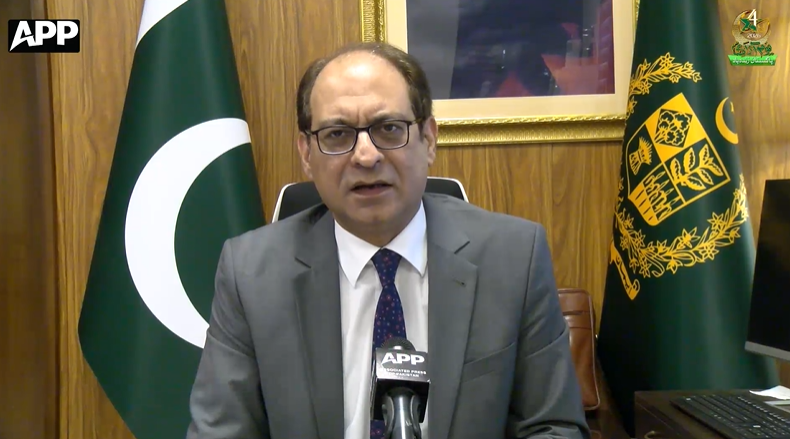
ISLAMABAD — Federal Secretary for Information and Broadcasting Ashfaq Ahmed Khalil extended his felicitations to the nation on Friday as Pakistan marked its 79th Independence Day. He emphasized the occasion as a poignant reminder of the sacrifices made by the forefathers in the quest for a separate homeland.
What Happened
On the 79th Independence Day of Pakistan, Federal Secretary Ashfaq Ahmed Khalil addressed the nation, underscoring the significance of the day in the country’s history. In his message, Khalil highlighted the struggles and sacrifices of those who fought for the independence of Pakistan, which was achieved on August 14, 1947. He remarked, “Independence Day is not only a celebration but also a solemn reminder of the sacrifices rendered by our forefathers for the creation of Pakistan.”
The Secretary’s message was part of the national celebrations that included various events across the country. These events aimed to honor the contributions of the nation’s founders and to inspire future generations to uphold the values that led to Pakistan’s independence. The government organized flag-hoisting ceremonies, cultural programs, and public speeches to commemorate the day.
Khalil’s remarks came amid a backdrop of national pride and reflection, as citizens across Pakistan engaged in festivities and patriotic displays. The day was marked by a renewed commitment to the country’s founding principles and a call for unity among its people.
Background
Pakistan’s Independence Day commemorates the end of British colonial rule and the establishment of Pakistan as a sovereign nation. The struggle for independence was led by the All-India Muslim League under the leadership of Muhammad Ali Jinnah, who is revered as the Father of the Nation. The partition of British India resulted in the creation of two independent dominions, India and Pakistan, on August 14 and 15, 1947, respectively.
The day is historically significant as it marks the culmination of a long and arduous struggle for a separate homeland for Muslims in the Indian subcontinent. The sacrifices made during this period include the loss of lives, displacement of millions, and the enduring impact on the region’s socio-political landscape.
Why It Matters
Independence Day serves as a crucial reminder of the values and principles that underpin the Pakistani nation. It is a day of reflection on the sacrifices made by the country’s founders and the responsibilities of current and future generations to preserve the nation’s sovereignty and integrity.
Economically, the day is a catalyst for promoting national unity and fostering a sense of belonging among citizens. It is an opportunity for the government to address the challenges facing the nation and to outline strategies for economic growth, social development, and political stability.
Socially, Independence Day reinforces national identity and cultural heritage. It is a day when Pakistanis come together to celebrate their shared history and aspirations, transcending ethnic and linguistic divides. This unity is vital in addressing the internal and external challenges that the country faces.
On the international front, the day highlights Pakistan’s role and standing in the global community. It is an occasion to reaffirm the country’s commitment to peace, cooperation, and development on the world stage.
Key Takeaways
- Federal Secretary Ashfaq Ahmed Khalil emphasized the sacrifices made for Pakistan’s independence.
- The 79th Independence Day was marked by national celebrations and calls for unity.
- Independence Day commemorates the end of British rule and the creation of Pakistan in 1947.
- The day serves as a reminder of the responsibilities of current and future generations.
- Independence Day is significant for promoting national unity and cultural heritage.
Source Attribution
This article is based on official government statements, press releases, and public communications from relevant authorities.














