
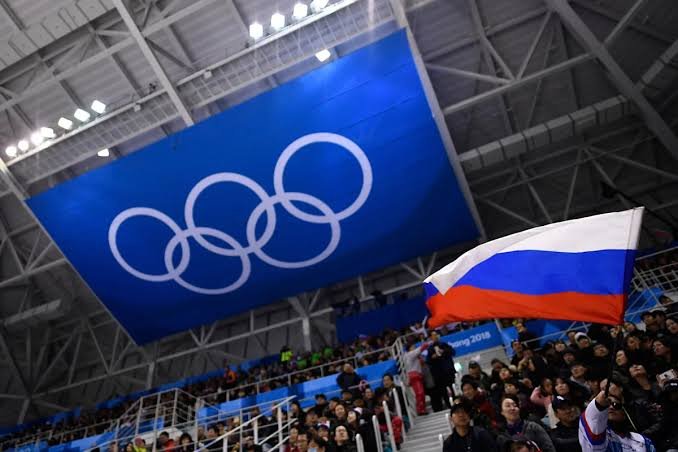
LAUSANNE, Switzerland — The International Olympic Committee (IOC) Executive Board has provisionally lifted the suspension of the Russian Olympic Committee (ROC) as of October 12, 2023. This decision allows the ROC to participate in the upcoming Los Angeles 2028 Olympic Games, following a comprehensive review by the IOC’s Legal Affairs Commission.
What Happened
The suspension of the ROC was initially imposed due to the inclusion of regional entities from territories that the IOC did not recognize as part of Russia. However, after a detailed examination, the IOC’s Legal Affairs Commission concluded that the ROC has since complied with the necessary conditions, leading to the provisional lifting of the ban. The decision was made during a meeting of the IOC Executive Board in Lausanne, where the board members reviewed the findings of the commission.
The IOC’s decision comes after months of deliberation and negotiations with the ROC. The commission’s report indicated that the ROC had made significant adjustments to its organizational structure, ensuring that it no longer included the contentious regional entities. This compliance was a critical factor in the IOC’s decision to reinstate the ROC’s Olympic status.
In a statement, the IOC emphasized that the provisional lifting of the suspension is contingent upon the ROC maintaining its current compliance status. The IOC will continue to monitor the ROC’s activities closely to ensure adherence to the Olympic Charter and other relevant regulations.
Background
The ROC’s suspension was part of a broader set of sanctions imposed by international sports bodies in response to geopolitical tensions and disputes over territorial claims. The IOC’s decision to suspend the ROC in October 2023 was influenced by concerns over the inclusion of athletes and officials from regions not internationally recognized as part of Russia. This suspension followed a series of similar actions by other international sports federations.
Historically, the IOC has taken a firm stance on issues of territorial integrity and political neutrality, often leading to suspensions or sanctions against national committees that fail to comply with these principles. The ROC’s case is one of several instances where the IOC has had to navigate complex geopolitical landscapes while maintaining the integrity of the Olympic movement.
Why It Matters
The provisional lifting of the ROC’s suspension is significant for several reasons. Economically, it allows Russian athletes to compete under their national flag in the Los Angeles 2028 Olympics, which can boost national morale and potentially lead to increased investment in sports infrastructure and athlete development in Russia. This decision also reflects the IOC’s willingness to engage in dialogue and negotiation to resolve complex issues, setting a precedent for future cases involving geopolitical disputes.
Socially, the reinstatement of the ROC may help to mend relations between Russian athletes and the international sports community, fostering a sense of inclusion and cooperation. Politically, this move could be seen as a step towards de-escalating tensions between Russia and the international community, as sports often serve as a platform for diplomacy and cultural exchange.
For the IOC, maintaining the integrity and inclusivity of the Olympic Games is paramount. The decision to reinstate the ROC underscores the organization’s commitment to these values while balancing the need to uphold international norms and regulations.
Key Takeaways
- The IOC has provisionally lifted the suspension of the Russian Olympic Committee for the LA28 Olympics.
- The decision follows a thorough review by the IOC’s Legal Affairs Commission, confirming ROC’s compliance.
- The ROC’s suspension was initially due to the inclusion of non-recognized regional entities.
- This development allows Russian athletes to compete under their national flag in 2028.
- The decision reflects the IOC’s commitment to resolving geopolitical disputes through dialogue.
Source Attribution
This article is based on official statements and public communications from the International Olympic Committee.














