
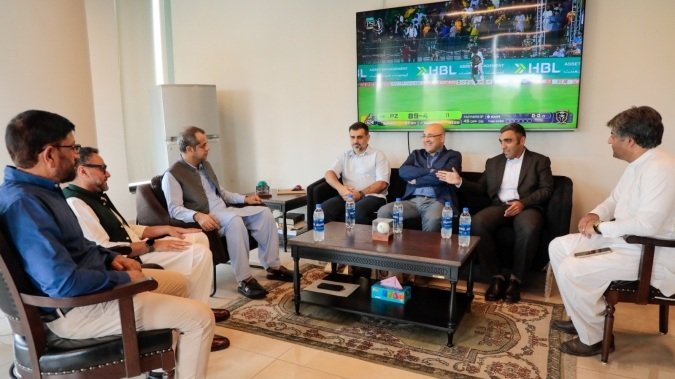
LAHORE — A delegation from the Islamic Republic of Iran Cricket Association (IRICA) visited the Pakistan Cricket Board (PCB) headquarters at Gaddafi Stadium on Thursday. The visit aimed to discuss the promotion and development of cricket in Iran and explore avenues for strengthening bilateral cooperation between the two cricketing bodies.
What Happened
The Iranian delegation, led by key officials from IRICA, engaged in discussions with PCB Chief Operating Officer Sumair Ahmed Syed and PSL Chief Executive Officer Salman Naseer. The focus of the meeting was on various strategies to enhance cricket in Iran, including coaching support for both national and junior teams, and the exchange of coaching knowledge and expertise. The discussions also included opportunities for Pakistani coaches to share their experience and technical skills with Iranian players and teams.
During their visit, the delegation toured Gaddafi Stadium, the Cricket Museum, and the National Cricket Academy (NCA), where they reviewed the training and other cricket facilities available at the PCB’s premier high-performance centre. The Iranian officials expressed interest in the infrastructure and facilities, which could serve as a model for developing similar structures in Iran.
The discussions also covered cooperation in the development of cricket infrastructure and the provision of cricket and sporting equipment to support the needs of Iranian cricket at both junior and senior levels. Both parties agreed to explore further opportunities for collaboration, including the exchange of technical knowledge and expertise, with the shared objective of promoting and developing cricket.
Background
Cricket in Iran is a growing sport, with increasing interest among the youth and sports enthusiasts. The Iran Cricket Association has been working towards establishing a more structured approach to the sport, seeking assistance from established cricketing nations like Pakistan. Historically, cricket has not been as popular in Iran as football or wrestling, but recent efforts aim to change this trend.
The Pakistan Cricket Board has a history of supporting cricket development in neighboring countries. With its robust infrastructure and expertise, PCB has previously collaborated with various cricket boards to promote the sport across the region. This visit by the Iranian delegation is part of a broader initiative to foster regional cricketing ties and support emerging cricket nations.
Why It Matters
The visit of the Iranian cricket delegation to Pakistan is significant for several reasons. Firstly, it underscores the growing interest in cricket within Iran, a country where the sport is still in its developmental stages. By collaborating with the PCB, Iran can leverage Pakistan’s rich cricketing history and expertise to accelerate its own cricket development.
Economically, such collaborations can lead to increased investment in sports infrastructure and development programs in Iran, potentially creating new opportunities for young athletes. Socially, the promotion of cricket can foster greater cultural exchange and understanding between the two nations, strengthening bilateral relations beyond the realm of sports.
Politically, the cooperation between Iran and Pakistan in cricket can serve as a model for other areas of collaboration, showcasing how sports can be a unifying force in international relations. As cricket continues to grow in popularity globally, Iran’s involvement in the sport could enhance its international profile and participation in regional and international tournaments.
Key Takeaways
- The Iranian cricket delegation visited PCB headquarters to discuss cricket development and cooperation.
- Discussions focused on coaching support, infrastructure development, and equipment provision.
- The visit highlights Iran’s growing interest in cricket and its efforts to develop the sport.
- Collaboration with PCB could accelerate cricket development in Iran, benefiting both nations.
- Such initiatives can strengthen bilateral relations and serve as a model for regional cooperation.
Source Attribution
This article is based on official government statements, press releases, and public communications from relevant authorities.














