
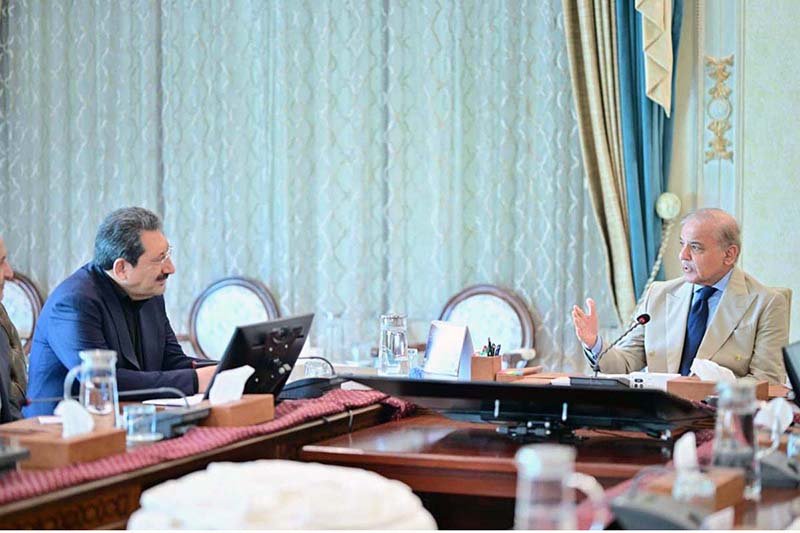
ISLAMABAD — An Iranian delegation led by Minister of Industry, Mines and Trade Seyyed Muhammad Atabak met with Prime Minister Muhammad Shehbaz Sharif in Islamabad on Thursday to discuss bilateral trade and economic cooperation. The meeting focused on enhancing mutual ties and exploring new avenues for collaboration between the two countries.
What Happened
The Iranian delegation, headed by Minister Seyyed Muhammad Atabak, engaged in talks with Prime Minister Shehbaz Sharif to strengthen economic relations between Iran and Pakistan. The meeting took place in Islamabad, where both parties expressed their commitment to enhancing trade and investment opportunities. According to official statements, the discussions centered around increasing bilateral trade volumes, exploring joint ventures in various sectors, and addressing trade barriers.
Prime Minister Shehbaz Sharif emphasized the importance of fostering closer economic ties with Iran, highlighting the potential for cooperation in sectors such as energy, mining, and agriculture. He stated, “Pakistan values its relationship with Iran and is keen to expand economic cooperation for mutual benefit.” The Iranian Minister echoed similar sentiments, expressing Iran’s readiness to work closely with Pakistan to achieve shared economic goals.
During the meeting, both sides agreed to establish a joint working group to identify specific projects and initiatives that could be pursued collaboratively. The group will focus on sectors where both countries have competitive advantages and can complement each other’s strengths. Additionally, the delegation discussed the possibility of enhancing connectivity through improved infrastructure and transport links, which could facilitate trade and commerce.
Background
Iran and Pakistan share a long history of diplomatic and economic relations, with both countries being members of the Economic Cooperation Organization (ECO). Over the years, the two nations have engaged in various bilateral agreements aimed at boosting trade and investment. However, trade volumes have remained below potential due to various challenges, including geopolitical tensions and trade barriers.
In recent years, both countries have shown renewed interest in revitalizing their economic ties. The establishment of the Iran-Pakistan gas pipeline, although delayed, remains a significant project that underscores the potential for energy cooperation. Furthermore, both nations have been exploring ways to enhance trade through the development of border markets and improved customs procedures.
Why It Matters
The meeting between the Iranian delegation and Prime Minister Shehbaz Sharif holds significant implications for the economic landscape of both countries. Strengthening economic ties with Iran could provide Pakistan with access to new markets and investment opportunities, particularly in the energy and mining sectors. For Iran, closer ties with Pakistan could help mitigate the impact of international sanctions and open up new avenues for trade.
Economically, enhanced cooperation could lead to increased trade volumes, benefiting businesses and consumers in both countries. For Pakistan, access to Iranian energy resources could help address domestic energy shortages, while Iran could benefit from Pakistan’s agricultural products and textiles. Politically, improved relations with Iran could enhance Pakistan’s position in regional geopolitics, offering a counterbalance to other regional powers.
Internationally, the strengthening of Iran-Pakistan relations could influence regional trade dynamics, particularly within the ECO framework. It could also contribute to greater stability in the region, as economic cooperation often leads to stronger diplomatic ties and conflict resolution mechanisms.
Key Takeaways
- An Iranian delegation led by Minister Seyyed Muhammad Atabak met with Prime Minister Shehbaz Sharif in Islamabad.
- The meeting focused on enhancing bilateral trade and exploring new economic cooperation avenues.
- Both countries agreed to establish a joint working group to identify collaborative projects.
- Strengthening ties with Iran could provide Pakistan with access to new markets and energy resources.
- Improved Iran-Pakistan relations could influence regional trade dynamics and contribute to stability.
Source Attribution
This article is based on official government statements, press releases, and public communications from relevant authorities.














