
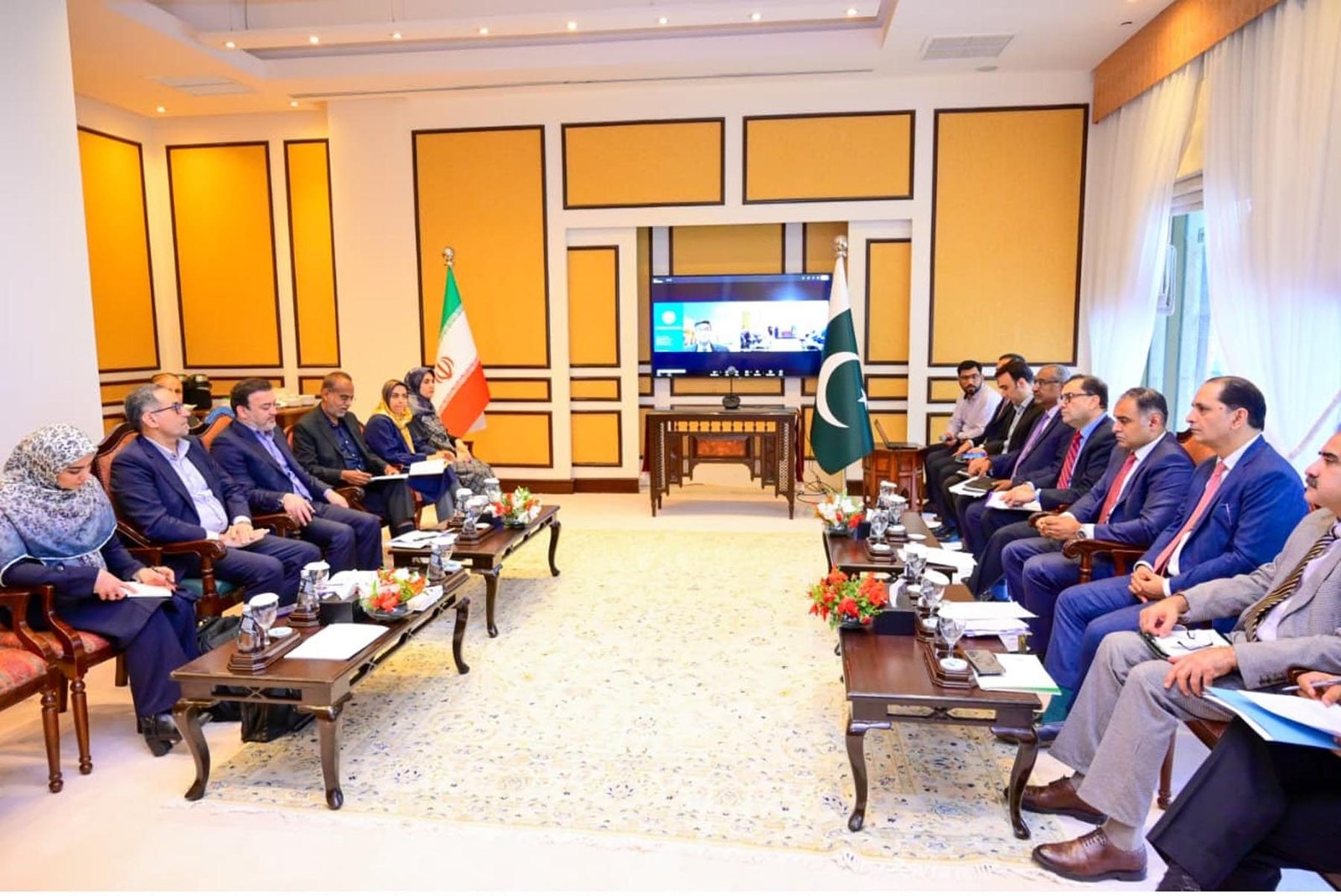
ISLAMABAD — Iranian Deputy Ministers of Transport and Interior met with Pakistan’s Minister of State for Finance and Railways, Bilal Azhar Kayani, on Wednesday to discuss enhancing cooperation and connectivity between the two nations.
What Happened
The meeting, held in Islamabad, brought together Iran’s Deputy Minister of Transport, Mehran Ghorbani, and Deputy Minister of Interior for Economic Affairs, Mehdi Dousti, with Pakistan’s Minister of State for Finance and Railways, Bilal Azhar Kayani. The discussions focused on strengthening bilateral ties, particularly in the domains of transportation and economic collaboration. Both sides expressed a keen interest in advancing mutual interests through improved connectivity and economic partnerships.
According to official statements, the Iranian ministers emphasized the importance of regional connectivity and proposed several initiatives to enhance economic cooperation. Mehran Ghorbani highlighted the potential for increased rail and road links between Iran and Pakistan, which could facilitate trade and improve access to regional markets. Mehdi Dousti, on the other hand, stressed the significance of economic collaboration in fostering stability and prosperity in the region.
Bilal Azhar Kayani welcomed the proposals and reiterated Pakistan’s commitment to strengthening ties with Iran. He noted that enhanced connectivity would not only benefit the two countries but also contribute to regional development. “Pakistan is eager to expand its economic and transportation links with Iran, recognizing the mutual benefits such cooperation can bring,” Kayani stated.
Background
Pakistan and Iran share a long history of diplomatic and economic relations, with both countries often collaborating on regional issues. In recent years, there has been a renewed focus on enhancing connectivity, particularly in the context of the China-Pakistan Economic Corridor (CPEC) and Iran’s strategic location as a gateway to Central Asia. The two nations have previously discussed various projects aimed at improving infrastructure and trade links, including the development of railways and road networks.
The meeting comes amid broader efforts by both countries to boost economic ties and address regional challenges. Iran and Pakistan are part of several regional organizations, such as the Economic Cooperation Organization (ECO), which aims to promote economic, technical, and cultural cooperation among member states.
Why It Matters
The discussions between Iranian and Pakistani officials hold significant implications for the region’s economic and geopolitical landscape. Strengthening connectivity between Iran and Pakistan could lead to increased trade, investment, and economic growth for both countries. Improved transportation links would facilitate the movement of goods and people, potentially opening new markets and opportunities for businesses.
From a geopolitical perspective, enhanced cooperation between Iran and Pakistan could contribute to regional stability. Both countries play crucial roles in the broader Middle East and South Asian regions, and their collaboration could help address common challenges such as security threats and economic development. Furthermore, as global economic dynamics shift, regional alliances and partnerships become increasingly important for sustaining growth and ensuring security.
For Pakistan, the potential benefits of improved ties with Iran are particularly significant. As Pakistan continues to develop its infrastructure and expand its economic reach, partnerships with neighboring countries like Iran can provide valuable support and resources. Additionally, enhanced connectivity with Iran could complement Pakistan’s efforts under CPEC, further integrating the region’s economies and facilitating access to international markets.
Key Takeaways
- Iranian ministers met with Pakistan’s Bilal Azhar Kayani to discuss cooperation and connectivity.
- The meeting focused on enhancing transportation links and economic collaboration.
- Both countries aim to strengthen regional ties and address common challenges.
- Improved connectivity could lead to increased trade and economic growth.
- The discussions align with broader regional efforts to boost economic partnerships.
Source Attribution
This article is based on official government statements, press releases, and public communications from relevant authorities.














