ISLAMABAD — On September 19, Islamabad’s Chief Commissioner and Inspector General of Police (IGP) conducted a thorough review of the security and law and order arrangements throughout the capital. The review focused on major entry and exit points and other critical locations. This initiative is part of ongoing efforts to ensure the safety and security of residents and visitors in Islamabad.
What Happened
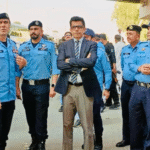
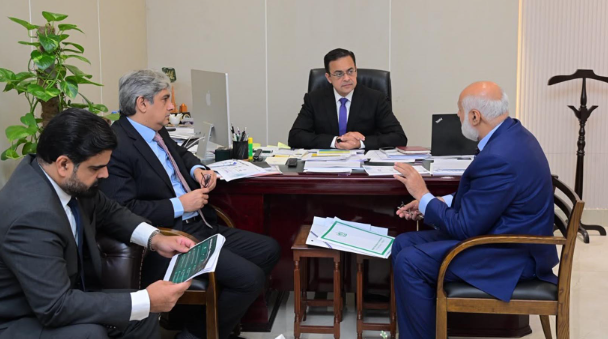
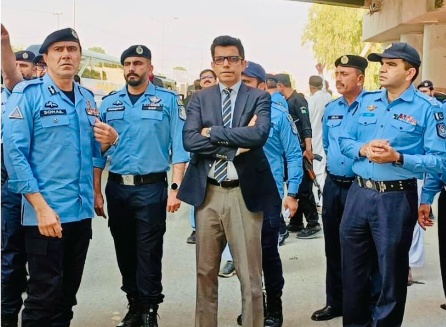
The Chief Commissioner of Islamabad and the Inspector General of Police led a team that included the Deputy Commissioner and Additional Deputy Commissioner (General) to inspect various strategic points across the city. The inspection aimed to assess the deployment of police personnel, evaluate traffic management systems, and ensure that security protocols are effectively implemented.
During the review, officials visited key entry and exit points, which are crucial for monitoring and controlling the flow of people and vehicles into the city. They also inspected other important locations to ensure that security measures are robust and capable of responding to potential threats. The inspections are part of a broader strategy to enhance the capital’s security infrastructure in light of evolving challenges.
According to the officials, the review was necessary to identify any gaps in the current security arrangements and to make necessary adjustments. The Chief Commissioner emphasized the importance of maintaining a high level of vigilance and preparedness, particularly in areas with high foot traffic and significant public interest.
Background
Islamabad, as the capital city of Pakistan, holds significant political and administrative importance. Over the years, the city has faced various security challenges, prompting authorities to continuously update and strengthen security measures. The city’s security framework involves coordination between multiple agencies, including the police, intelligence services, and local administration.
Historically, Islamabad has been a target for various security threats, necessitating a comprehensive approach to law enforcement and public safety. The government has implemented several initiatives to bolster security, including the installation of surveillance cameras, increased police presence, and community policing efforts.
Why It Matters
The security review in Islamabad is critical for several reasons. Firstly, it underscores the government’s commitment to ensuring the safety of its citizens and maintaining public order. Given Islamabad’s status as the seat of government, maintaining a secure environment is essential for the functioning of national institutions and the protection of foreign dignitaries and diplomatic missions.
Economically, a secure Islamabad is vital for attracting investment and fostering economic growth. Security concerns can deter investors and affect the city’s reputation as a stable and safe destination for business and tourism. By proactively addressing security challenges, the authorities aim to create a conducive environment for economic activities.
Socially, the safety of residents is paramount. The review and subsequent improvements in security measures are likely to enhance public confidence in law enforcement agencies. This, in turn, can lead to better cooperation between the public and security forces, which is crucial for effective crime prevention and community safety.
Internationally, Islamabad’s security situation is closely monitored by foreign governments and international organizations. A stable security environment in the capital can positively influence Pakistan’s international relations and its image on the global stage.
Key Takeaways
- Islamabad’s Chief Commissioner and IGP conducted a security review on September 19.
- The review focused on major entry and exit points and critical locations across the city.
- Officials assessed police deployment and traffic management to enhance security measures.
- The initiative aims to address potential security gaps and improve public safety.
- A secure Islamabad is crucial for economic growth, public confidence, and international relations.
Source Attribution
This article is based on official government statements, press releases, and public communications from relevant authorities.