
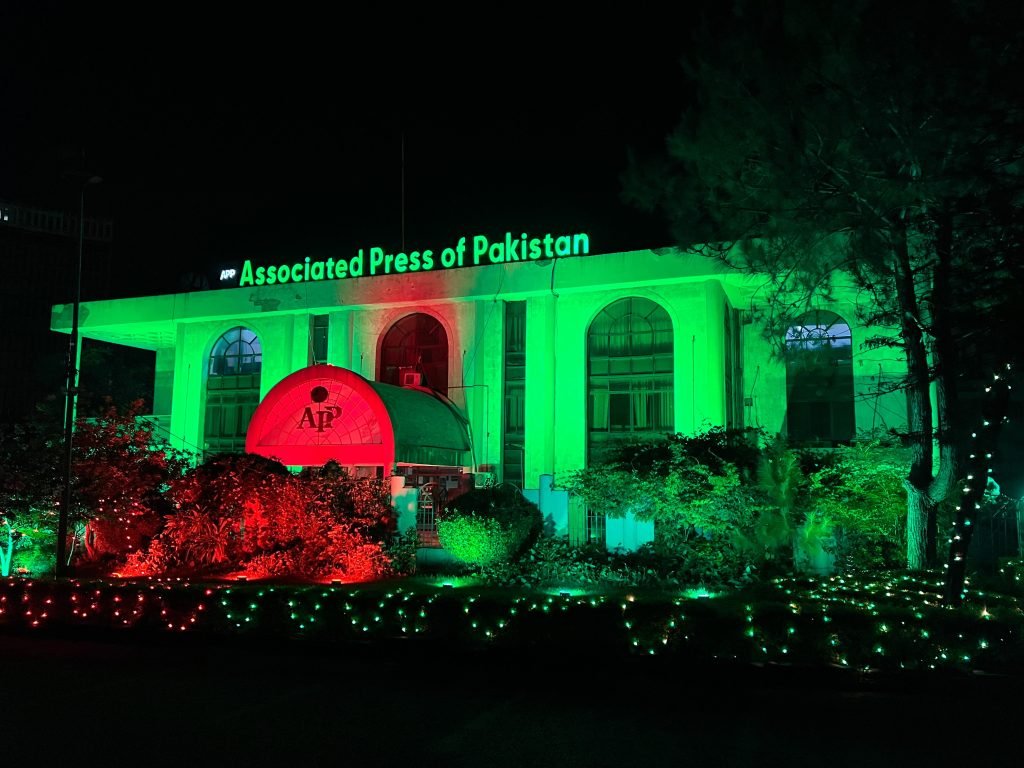
ISLAMABAD — The Federal Capital of Islamabad has been festively adorned with national flags, vibrant lights, and LED screens to celebrate the Makkah Joint Defence Agreement, a strategic pact signed by Pakistan, Saudi Arabia, and Turkiye on Friday. The decorations symbolize the unity and cooperation among the three nations, highlighting the significance of their collective commitment to regional security.
What Happened
The streets of Islamabad have been transformed into a vibrant display of lights and colors, featuring the national flags of Pakistan, Saudi Arabia, and Turkiye. This decorative effort marks the signing of the Makkah Joint Defence Agreement, an accord aimed at enhancing military cooperation and ensuring regional stability. The agreement was signed in Makkah, a city of immense religious and cultural importance, further underscoring the symbolic nature of this trilateral alliance.
The agreement involves collaborative efforts in defense strategies, joint military exercises, and intelligence sharing among the three countries. Officials from the Ministry of Defence have emphasized the importance of this pact in strengthening ties and addressing common security challenges. “This agreement is a testament to our shared vision for peace and stability in the region,” stated a senior official from the Ministry of Defence.
The celebrations in Islamabad are not only a visual spectacle but also a reflection of the deep-rooted diplomatic relations between these nations. The streets are lined with LED screens displaying messages of unity and cooperation, while public buildings are illuminated with colored lights, creating a festive atmosphere throughout the city.
Background
The Makkah Joint Defence Agreement is a continuation of the long-standing cooperation between Pakistan, Saudi Arabia, and Turkiye. Historically, these countries have maintained strong bilateral relations, often collaborating on matters of defense, trade, and cultural exchange. The agreement is seen as a formalization of these ties, providing a structured framework for future collaborations.
In recent years, the geopolitical landscape of the Middle East and South Asia has necessitated stronger alliances to counter emerging threats. The Makkah pact is a strategic move to consolidate military capabilities and enhance preparedness against potential security challenges. This agreement follows previous bilateral defense pacts and joint exercises conducted among the signatory countries.
Why It Matters
The Makkah Joint Defence Agreement holds significant implications for regional security and international relations. By formalizing military cooperation, the pact aims to deter potential threats and ensure a collective response to crises. This is particularly important given the volatile security environment in the Middle East and South Asia, where conflicts and political instability pose ongoing challenges.
For Pakistan, the agreement strengthens its strategic position and reinforces its alliances with key regional powers. Economically, the pact could lead to increased defense trade and technology transfers, boosting the local defense industry. Additionally, the enhanced military cooperation is likely to contribute to regional stability, which is crucial for economic growth and development.
On a broader scale, the agreement reflects a shift towards multilateralism in addressing security concerns. By engaging in joint defense initiatives, the three countries are setting a precedent for collaborative security frameworks that could influence other regions facing similar challenges. The pact also sends a message to the international community about the commitment of these nations to peace and stability.
Key Takeaways
- Islamabad is decorated with flags and lights to celebrate the Makkah Joint Defence Agreement.
- The agreement involves Pakistan, Saudi Arabia, and Turkiye, focusing on military cooperation.
- The pact aims to enhance regional security and address common defense challenges.
- It strengthens Pakistan’s strategic alliances and could boost its defense industry.
- The agreement reflects a trend towards multilateral approaches to security issues.
Source Attribution
This article is based on official government statements, press releases, and public communications from relevant authorities.














