
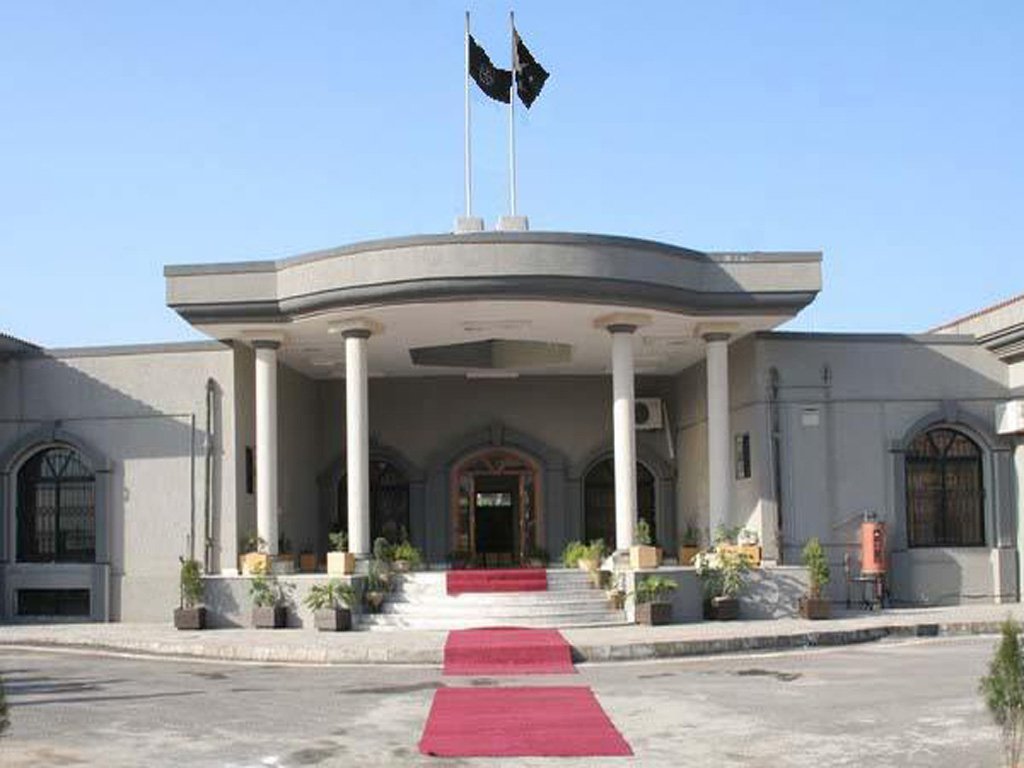
ISLAMABAD — The Islamabad High Court (IHC) has requested a comprehensive report from Adiala Jail regarding allegations that former Prime Minister Imran Khan and his wife, Bushra Bibi, are being held in solitary confinement. The court’s demand comes amid rising concerns over the treatment of political figures in custody.
What Happened
On Tuesday, the Islamabad High Court issued a detailed written order concerning petitions filed about the alleged solitary confinement of Pakistan Tehreek-e-Insaaf (PTI) founder Imran Khan and his wife, Bushra Bibi, at Adiala Jail. The court emphasized the gravity of the allegations, stating that they could not be dismissed without thorough investigation. The petitions argue that the conditions of confinement violate basic human rights and legal standards.
The court has directed the jail authorities to provide a detailed report on the conditions under which the couple is being held. This report is expected to clarify whether the claims of solitary confinement are accurate and to what extent the jail’s conditions comply with legal and human rights standards.
Imran Khan, a prominent political figure and former Prime Minister, has been embroiled in various legal battles following his ouster from power. His supporters claim that the legal actions against him are politically motivated, a charge that the current government denies. The allegations of solitary confinement have further fueled tensions between Khan’s supporters and the government.
Background
Imran Khan, who served as Pakistan’s Prime Minister from 2018 to 2022, has been a central figure in the country’s political landscape. His party, Pakistan Tehreek-e-Insaaf (PTI), rose to power on promises of anti-corruption and economic reform. However, his tenure was marked by political controversies and challenges, leading to his eventual ouster through a parliamentary vote of no confidence.
Following his removal from office, Khan has faced numerous legal challenges, including charges related to corruption and misuse of authority. These cases have been a source of significant political tension in Pakistan, with Khan’s supporters alleging that the charges are part of a broader strategy to undermine his political influence.
The issue of solitary confinement in Pakistan’s prisons has been a longstanding concern for human rights organizations. Solitary confinement is often criticized for its psychological impact on prisoners and is generally reserved for those considered a threat to themselves or others.
Why It Matters
The Islamabad High Court’s demand for a report on the alleged solitary confinement of Imran Khan and Bushra Bibi is significant for several reasons. Firstly, it underscores the judiciary’s role in upholding human rights and ensuring that legal processes are followed correctly. The court’s intervention highlights the importance of transparency and accountability in the treatment of prisoners, particularly those with high political profiles.
Secondly, the case has broader implications for Pakistan’s political climate. The allegations and subsequent court actions add to the existing tensions between Khan’s PTI and the current government. If the claims of solitary confinement are substantiated, it could lead to increased political unrest and further accusations of political persecution.
Moreover, this development is crucial for the international community’s perception of Pakistan’s human rights record. The treatment of political figures in custody is often a barometer of a country’s adherence to democratic principles and human rights norms. Any findings of mistreatment could have implications for Pakistan’s international relations and its standing in global human rights forums.
Key Takeaways
- The Islamabad High Court has requested a report on the alleged solitary confinement of Imran Khan and Bushra Bibi.
- The court emphasized the seriousness of the allegations and the need for a thorough investigation.
- Imran Khan’s legal challenges continue to be a source of political tension in Pakistan.
- The case has implications for Pakistan’s human rights record and international reputation.
- The outcome could influence the political dynamics between PTI and the current government.
Source Attribution
This article is based on official government statements, press releases, and public communications from relevant authorities.














