
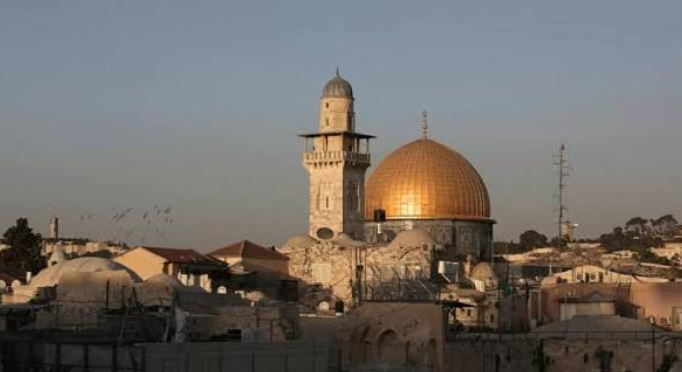
AMMAN — Jordan’s Ministry of Foreign Affairs and Expatriates expressed approval on Wednesday for UNESCO’s World Heritage Committee’s decision to maintain the Old City of Jerusalem and its Walls on the List of World Heritage in Danger. The decision underscores ongoing concerns about the preservation of cultural heritage sites in the region.
What Happened
The decision by UNESCO’s World Heritage Committee to keep the Old City of Jerusalem on the List of World Heritage in Danger was met with approval from Jordan. The Ministry of Foreign Affairs and Expatriates emphasized the importance of this move, highlighting the need to protect the cultural and historical integrity of the site. The Old City of Jerusalem, a place of significant historical and religious importance, has been on this list since 1982 due to various threats, including urban development, political instability, and neglect.
Jordan’s Foreign Ministry reiterated its commitment to supporting efforts aimed at safeguarding Jerusalem’s cultural heritage. The ministry’s statement emphasized the role of UNESCO in monitoring and preserving sites of universal value, particularly in conflict-affected areas. The decision was made during the 45th session of the World Heritage Committee, which convened to review the status of sites on the danger list.
UNESCO’s listing serves as a call to action for the international community to address the factors threatening the integrity of these sites. The organization provides technical assistance and seeks to mobilize resources for conservation efforts. The decision to maintain Jerusalem’s status reflects ongoing challenges in ensuring the site’s preservation amid regional tensions.
Background
The Old City of Jerusalem is a site of profound historical and religious significance, encompassing key religious landmarks such as the Dome of the Rock, the Western Wall, and the Church of the Holy Sepulchre. The area has been a focal point of religious and political conflict, impacting its preservation. In 1982, UNESCO listed the site as endangered, citing concerns over urban encroachment, inadequate management, and the impact of regional conflicts.
Jordan has historically played a significant role in the custodianship of Islamic and Christian holy sites in Jerusalem, a responsibility rooted in the 1994 peace treaty with Israel. The treaty acknowledges Jordan’s special role in the city, particularly in relation to the Islamic holy sites, and has been a cornerstone of Jordan’s foreign policy and diplomatic efforts concerning Jerusalem.
Why It Matters
The decision to keep the Old City of Jerusalem on the List of World Heritage in Danger has significant implications for the region. It highlights ongoing international concerns over the preservation of cultural heritage amid geopolitical tensions. For Jordan, this decision reaffirms its role as a key stakeholder in the preservation of Jerusalem’s heritage, aligning with its historical and diplomatic responsibilities.
The preservation of Jerusalem’s cultural heritage is not only a matter of historical significance but also a crucial aspect of maintaining cultural diversity and interfaith dialogue in the region. The decision by UNESCO serves as a reminder of the need for collective international efforts to protect sites of universal value, which are often caught in the crossfire of political and religious conflicts.
Moreover, the decision underscores the broader challenges faced by UNESCO in safeguarding cultural heritage sites worldwide. It calls for increased international cooperation and resource mobilization to address the threats posed by urban development, neglect, and conflict. For the people of Jerusalem and the global community, preserving the Old City’s heritage is vital for maintaining the historical narrative and cultural identity of the region.
Key Takeaways
- Jordan supports UNESCO’s decision to keep the Old City of Jerusalem on the List of World Heritage in Danger.
- The decision reflects ongoing concerns about the preservation of Jerusalem’s cultural heritage amid regional tensions.
- UNESCO’s listing aims to mobilize international resources and support for conservation efforts.
- Jordan’s role in the custodianship of Jerusalem’s holy sites is reaffirmed through this decision.
- Preserving Jerusalem’s heritage is crucial for cultural diversity and interfaith dialogue.
Source Attribution
This article is based on official government statements, press releases, and public communications from relevant authorities.














