
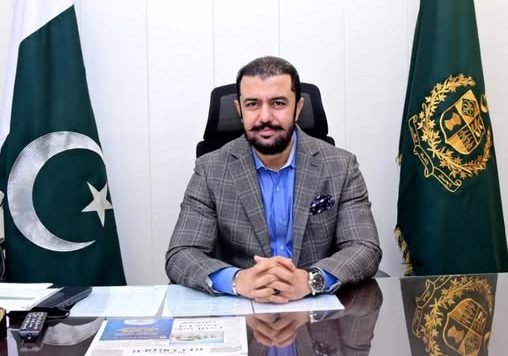
ISLAMABAD — Advisor to the Federal Minister for Finance and Revenue, Khurram Schehzad, on Sunday outlined Pakistan’s economic reform agenda and the key priorities for the fiscal year 2026-27 budget. The announcement was made as part of the government’s efforts to improve the country’s macroeconomic outlook and introduce a New Tax Operating Model (NTOM).
What Happened
Khurram Schehzad, serving as an advisor to the Federal Minister for Finance and Revenue, provided a detailed overview of Pakistan’s economic strategy during a press briefing. He highlighted the government’s focus on structural reforms aimed at stabilizing the economy and fostering sustainable growth. Central to these reforms is the introduction of the New Tax Operating Model (NTOM), which is designed to streamline tax collection and improve compliance across various sectors.
According to Schehzad, the NTOM will play a pivotal role in enhancing revenue generation, reducing tax evasion, and broadening the tax base. “The NTOM is a cornerstone of our reform agenda, ensuring transparency and efficiency in the tax system,” he stated. The model is expected to leverage technology to simplify tax processes and make them more accessible to the public.
In addition to tax reforms, Schehzad outlined the government’s priorities for the upcoming fiscal year. These include increased investment in infrastructure, education, and healthcare, as well as measures to support small and medium-sized enterprises (SMEs). The budget will also focus on social welfare programs to alleviate poverty and improve living standards for the underprivileged.
Schehzad emphasized the importance of fiscal discipline and prudent economic management to achieve these goals. “Our budget priorities are aligned with our long-term vision of economic stability and growth,” he remarked, adding that the government is committed to maintaining a balance between development spending and fiscal responsibility.
Background
Pakistan has been grappling with economic challenges for several years, including high inflation, a growing fiscal deficit, and external debt pressures. The government has been working on various reform initiatives to address these issues and create a more resilient economic framework.
In recent years, Pakistan has engaged with international financial institutions, including the International Monetary Fund (IMF), to secure financial assistance and technical support for its reform agenda. The introduction of the NTOM is part of a broader strategy to meet the IMF’s requirements and improve the country’s fiscal health.
Historically, Pakistan’s tax system has faced criticism for its complexity and inefficiency, leading to widespread tax evasion and a narrow tax base. The NTOM aims to address these issues by simplifying tax procedures and enhancing compliance through digital solutions.
Why It Matters
The economic reforms and budget priorities outlined by Khurram Schehzad are critical for Pakistan’s future economic trajectory. The successful implementation of the NTOM could significantly increase government revenues, providing much-needed funds for development projects and social programs.
By focusing on infrastructure, education, and healthcare, the government aims to create a more conducive environment for economic growth and improve the quality of life for its citizens. Investment in these sectors is expected to generate employment opportunities and stimulate economic activity, contributing to a more robust and diversified economy.
The emphasis on supporting SMEs is particularly important, as they are a vital component of Pakistan’s economy, providing employment and contributing to GDP. By facilitating access to finance and reducing regulatory burdens, the government hopes to empower SMEs to expand and innovate.
Furthermore, the government’s commitment to fiscal discipline is crucial for maintaining investor confidence and ensuring long-term economic stability. By balancing development spending with fiscal responsibility, Pakistan can avoid the pitfalls of excessive borrowing and maintain a sustainable growth path.
Key Takeaways
- Khurram Schehzad outlined Pakistan’s economic reform agenda and budget priorities for FY2026-27.
- The New Tax Operating Model (NTOM) aims to enhance revenue generation and tax compliance.
- Budget priorities include investment in infrastructure, education, healthcare, and support for SMEs.
- Fiscal discipline and prudent economic management are central to the government’s strategy.
- The reforms are expected to improve Pakistan’s macroeconomic outlook and foster sustainable growth.
Source Attribution
This article is based on official government statements and public communications from relevant authorities.














