
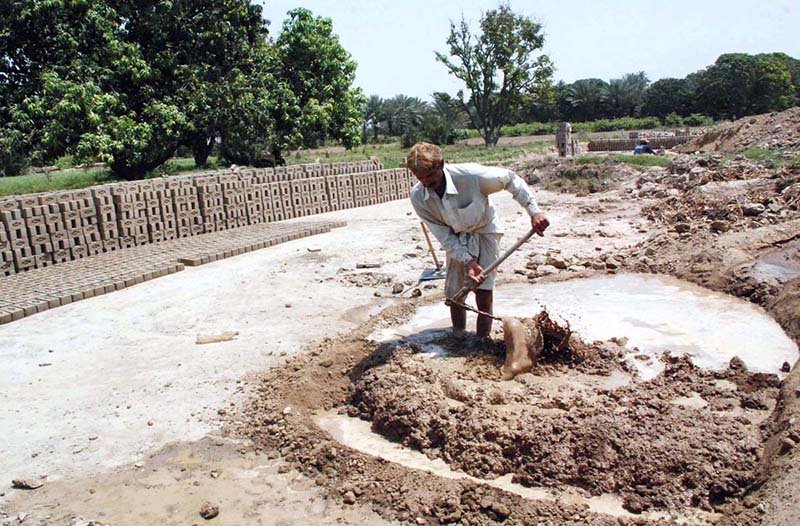
BAHAWALPUR — Labourers at a local brick kiln in Bahawalpur are engaged in the meticulous process of preparing clay for brick-making, a crucial step in meeting the rising demand for construction materials in the region. This activity underscores the ongoing significance of traditional brick kilns in Pakistan’s construction industry, particularly in the southern Punjab area.
What Happened
In Bahawalpur, a city known for its historical significance and architectural heritage, local brick kilns are bustling with activity as labourers diligently prepare clay for brick production. The process involves mixing soil with water to achieve the right consistency, followed by moulding and drying before the bricks are fired in kilns. This traditional method, while labor-intensive, remains integral to the region’s construction sector.
According to local kiln operators, the demand for bricks has surged due to ongoing infrastructure projects and private construction activities. A kiln worker, Muhammad Aslam, shared, “We are working tirelessly to meet the orders. Each brick is crafted with care to ensure quality, as our reputation depends on it.” The kiln industry in Bahawalpur provides employment to hundreds of workers, many of whom rely on this seasonal work as their primary source of income.
Despite the physical demands of the job, workers like Aslam take pride in their contribution to the local economy. The brick-making process, which begins with the preparation of clay, is a skill passed down through generations, and workers are keen to maintain the quality standards that their predecessors set.
Background
Brick-making in Pakistan has a long history, with kilns scattered across the country, particularly in Punjab. The industry plays a pivotal role in supporting the construction sector, which is a significant component of Pakistan’s economy. Traditionally, brick kilns have operated with minimal mechanization, relying heavily on manual labour.
In recent years, there have been efforts to modernize the industry and introduce more environmentally friendly practices. However, many kilns continue to operate using age-old methods due to financial constraints and the availability of cheap labour. The Punjab government’s regulations on kiln emissions and labour rights have been implemented to improve working conditions and reduce environmental impact.
Why It Matters
The activity at Bahawalpur’s brick kilns highlights the broader economic and social dynamics at play in Pakistan’s construction industry. As the country continues to urbanize and develop infrastructure, the demand for construction materials like bricks remains high. This demand drives employment in rural areas, providing livelihoods for many families.
However, the reliance on traditional methods raises concerns about worker safety and environmental sustainability. The physical toll on workers, who often endure long hours in harsh conditions, is a significant issue that requires attention. Moreover, the environmental impact of kiln emissions contributes to air pollution, which has been a growing concern in urban and rural areas alike.
Efforts to modernize the industry by introducing cleaner technologies and improving labour conditions could enhance the sustainability of brick-making. Such changes would not only benefit the workers but also contribute to broader environmental goals, aligning with Pakistan’s commitments to reduce emissions and improve air quality.
Key Takeaways
- Labourers in Bahawalpur are actively preparing clay for brick-making to meet rising construction demands.
- The brick kiln industry is a significant source of employment in rural Pakistan, particularly in Punjab.
- Traditional brick-making methods are labor-intensive and have environmental and safety implications.
- Modernization efforts are needed to improve worker conditions and reduce environmental impact.
- The ongoing demand for bricks is driven by infrastructure projects and urbanization in Pakistan.
Source Attribution
This article is based on official statements and public communications from relevant authorities.














