
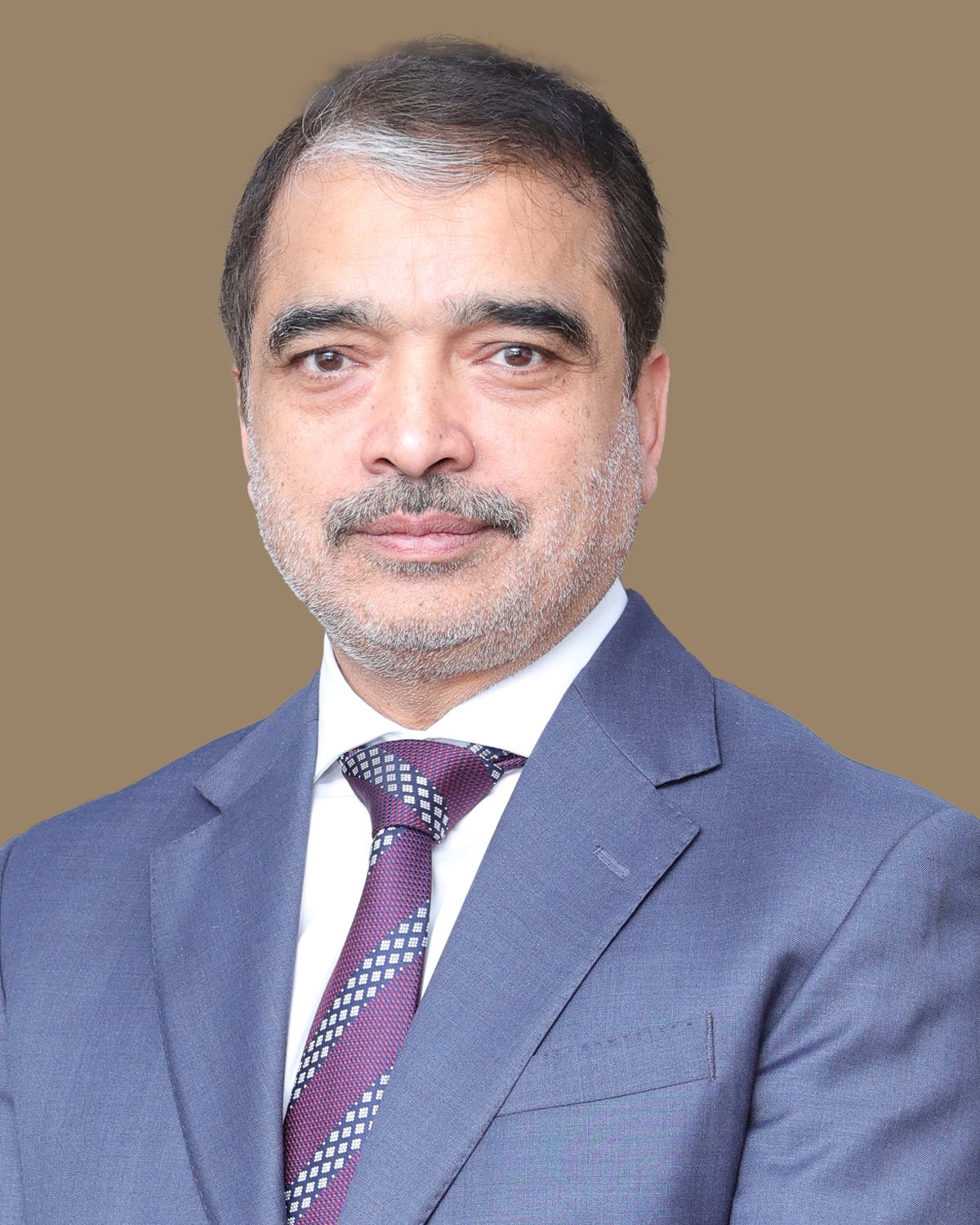
LAHORE — The Lahore Chamber of Commerce and Industry (LCCI) successfully facilitated the reopening of a factory in the Saggian Industrial Area on Tuesday. LCCI President Faheem Ur Rehman Saigol visited the site to engage with industrialists and address various challenges impacting business operations in the region.
What Happened
The factory in question had been sealed due to regulatory compliance issues, which had halted its operations and affected the livelihoods of numerous workers. During his visit, LCCI President Faheem Ur Rehman Saigol met with local industrialists to discuss the obstacles they face, including the sudden closure of businesses due to regulatory actions. Saigol emphasized the importance of maintaining a balance between regulatory compliance and the uninterrupted functioning of industries.
“We are committed to ensuring that industrial operations continue smoothly while adhering to necessary regulations,” Saigol stated during his visit. The LCCI played a pivotal role in negotiating with the relevant authorities to resolve the issues that led to the factory’s closure. This intervention not only led to the reopening of the factory but also set a precedent for addressing similar issues in the future.
The reopening was welcomed by the factory’s management and employees, who expressed relief at being able to resume work. The factory’s closure had disrupted production schedules and threatened the financial stability of its workforce. By facilitating dialogue between the factory management and regulatory bodies, the LCCI helped to expedite the resolution process.
Background
The Saggian Industrial Area is a significant hub for manufacturing and industrial activities in Lahore. It hosts a variety of businesses ranging from small-scale enterprises to large manufacturing units. The area has faced challenges related to infrastructure, regulatory compliance, and environmental concerns, which have occasionally led to the sealing of factories by regulatory authorities.
The LCCI, as a representative body of the business community, has historically played a crucial role in mediating between industrialists and government authorities. Its efforts aim to ensure a conducive environment for business operations while advocating for policy reforms that support industrial growth.
Why It Matters
The reopening of the factory in the Saggian Industrial Area is significant for several reasons. Economically, it ensures the continuation of production activities, which contributes to the local economy and supports the livelihoods of workers. The intervention by the LCCI highlights the importance of dialogue and negotiation in resolving industrial disputes, which can otherwise lead to prolonged disruptions.
Socially, the reopening alleviates the financial strain on workers and their families, who rely on the factory for their income. It underscores the role of industry bodies like the LCCI in safeguarding the interests of both businesses and employees. Politically, it reflects the need for regulatory frameworks that are both effective and flexible, allowing industries to operate without unnecessary hindrances while ensuring compliance with laws.
On a broader scale, the incident draws attention to the challenges faced by industrial areas in Pakistan, such as infrastructure inadequacies and regulatory bottlenecks. Addressing these issues is essential for fostering a business-friendly environment that can attract investment and spur economic growth.
Key Takeaways
- The LCCI successfully facilitated the reopening of a sealed factory in the Saggian Industrial Area.
- President Faheem Ur Rehman Saigol engaged with industrialists to address operational challenges.
- The factory’s reopening ensures the continuation of production and supports worker livelihoods.
- The incident highlights the importance of dialogue between industry bodies and regulatory authorities.
- Addressing regulatory and infrastructure challenges is crucial for industrial growth in Pakistan.
Source Attribution
This article is based on official government statements, press releases, and public communications from relevant authorities.














