
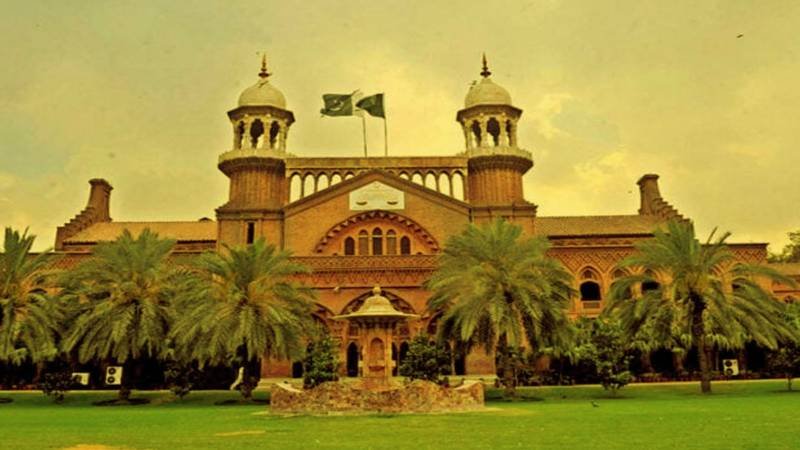
LAHORE — The Lahore High Court (LHC) on Thursday dismissed a petition requesting the postponement of the Medical and Dental College Admission Test (MDCAT) slated for August 16. The decision came after a hearing presided over by Justice Mirza Waqas Rauf, who evaluated the arguments presented by the petitioner, an FSc student named Talha, and the Pakistan Medical and Dental Council (PMDC).
What Happened
The petition was filed by Talha, who argued through his legal counsel that the timing of the MDCAT was problematic for many students currently engaged in their FSc practical examinations. The petitioner contended that the overlap of these academic commitments left insufficient time for students to adequately prepare for the crucial entrance test, potentially jeopardizing their future academic prospects.
During the proceedings, Justice Rauf inquired whether the students would be rendered ineligible to sit for the MDCAT due to the scheduling conflict. The PMDC’s counsel assured the court that all eligible students would be permitted to take the exam. The judge further questioned the petitioner’s counsel about the core issue if eligibility was not a concern. The counsel reiterated that the primary issue was the lack of adequate preparation time for the students.
Despite the presence of numerous students outside the courtroom in support of the petition, the court emphasized the focus on the individual petitioner before it. Justice Rauf remarked, “Only one petitioner is before us. Why are you claiming to represent everyone?” Following the presentation of arguments from both sides, the court decided to dismiss the plea, thereby maintaining the original schedule for the MDCAT examination.
Background
The MDCAT is a standardized test conducted annually for students seeking admission to medical and dental colleges across Pakistan. It serves as a critical gateway for aspiring medical professionals, determining their eligibility for further education in the medical field. The test is organized by the PMDC, which sets the schedule and guidelines for the examination process.
Historically, the MDCAT has been a subject of contention due to its timing and the pressure it places on students already burdened with regular academic commitments. The overlap with FSc examinations has been a recurring issue, with students and educators frequently calling for better coordination between examination schedules to alleviate stress on students.
Why It Matters
The court’s decision to uphold the scheduled date for the MDCAT carries significant implications for the students involved and the broader educational framework in Pakistan. For the students, the ruling means they must balance their ongoing FSc practical exams with preparation for the MDCAT, a task that many find challenging due to the demanding nature of both assessments.
From an educational policy perspective, the case highlights the need for more synchronized scheduling of examinations to prevent such conflicts in the future. The decision underscores the importance of effective communication and planning between different educational bodies to ensure that students are not unduly disadvantaged by overlapping academic requirements.
Moreover, the ruling may set a precedent for how similar cases are handled in the future, potentially influencing the approach of educational authorities towards scheduling and student welfare considerations. The court’s emphasis on individual representation also points to the need for collective action and formal representation in addressing systemic issues within the educational sector.
Key Takeaways
- The Lahore High Court dismissed a petition to postpone the MDCAT scheduled for August 16.
- The petitioner argued that the timing conflicted with ongoing FSc practical exams, affecting preparation time.
- The court emphasized that all eligible students would be allowed to sit for the MDCAT.
- The decision highlights the need for better coordination in examination scheduling to avoid student stress.
- The case may influence future educational policy and scheduling practices in Pakistan.
Source Attribution
This article is based on official government statements, press releases, and public communications from relevant authorities.














