
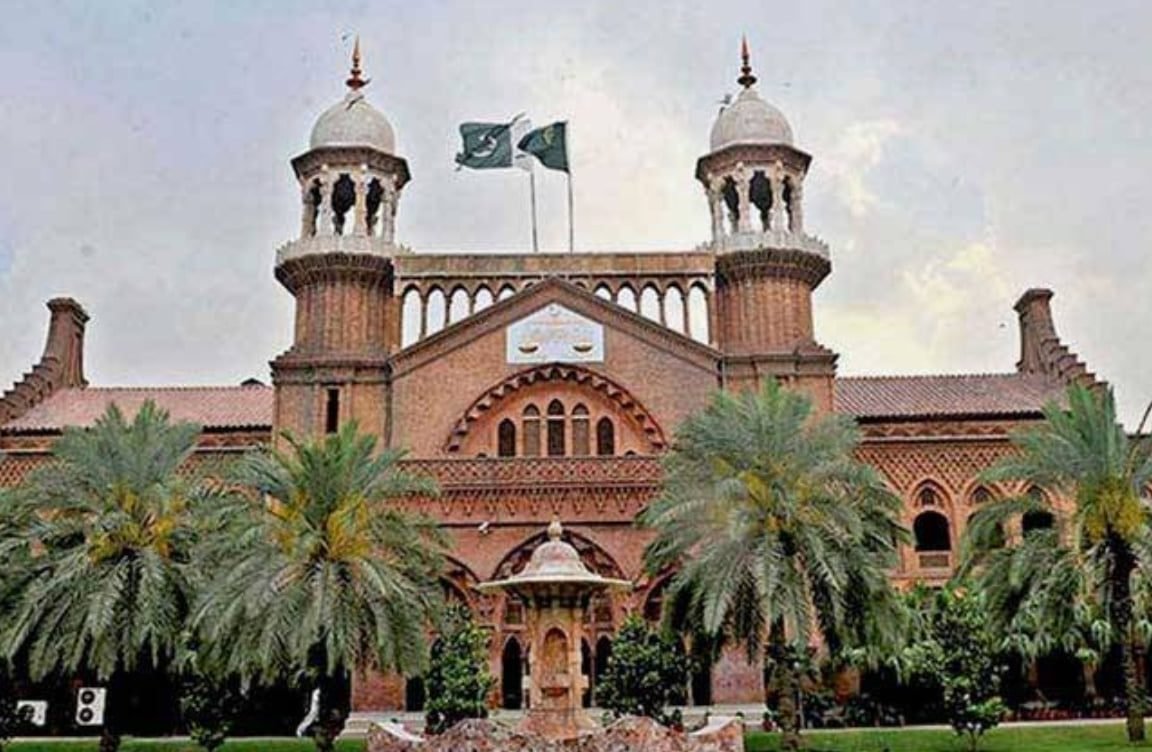
LAHORE — The Lahore High Court (LHC) released a detailed 264-page judgment on Thursday addressing petitions aimed at tackling environmental pollution and smog in Lahore. The court upheld its previous ban on tree cutting within the city, emphasizing the importance of preserving green spaces to combat air quality issues.
What Happened
The LHC’s verdict comes after extensive deliberations on multiple petitions filed by environmental groups and concerned citizens. These petitions called for urgent action to address the worsening air quality in Lahore, which has been a persistent issue affecting public health. The court’s judgment not only retains the prohibition on cutting trees but also outlines a series of directives aimed at reducing pollution levels.
According to the detailed judgment, the court has mandated the provincial government to implement stricter regulations on industrial emissions and vehicular pollution. The court also emphasized the need for a comprehensive urban forestry plan, urging authorities to increase green cover in and around Lahore. “The preservation and expansion of green spaces are essential for improving air quality and public health,” the judgment stated.
In addition to these measures, the court has instructed relevant authorities to monitor air quality indices regularly and make this data publicly accessible. The judgment also calls for the establishment of a dedicated task force to oversee the implementation of these directives and ensure compliance with environmental standards.
The LHC’s decision reflects a growing recognition of the severe impact of air pollution on the health and well-being of Lahore’s residents. The court highlighted the need for a multi-faceted approach, combining regulatory enforcement with community engagement and public awareness campaigns.
Background
Lahore has been grappling with severe air pollution for several years, particularly during the winter months when smog levels peak. The city’s air quality has consistently ranked among the worst in the world, prompting legal actions and public outcry. In recent years, the LHC has played a pivotal role in addressing environmental concerns, issuing various orders to curb pollution and protect natural resources.
The court’s previous rulings have included directives to limit industrial emissions, promote cleaner energy sources, and enhance urban planning to incorporate environmental considerations. The ongoing legal battle reflects broader challenges faced by Pakistan in balancing economic development with environmental sustainability.
Why It Matters
The LHC’s verdict is significant as it underscores the judiciary’s proactive stance in addressing environmental issues, which are often sidelined in policy discussions. By retaining the ban on tree cutting and mandating comprehensive pollution control measures, the court is setting a precedent for environmental governance in Pakistan.
Air pollution poses a serious threat to public health, contributing to respiratory illnesses, cardiovascular diseases, and premature deaths. The court’s directives aim to mitigate these health risks by promoting cleaner air and a healthier urban environment. The emphasis on urban forestry and green spaces aligns with global best practices for sustainable city planning and climate resilience.
Economically, improved air quality can enhance productivity by reducing health-related absences and healthcare costs. It also positions Lahore as a more attractive destination for investment and tourism, bolstering the city’s economic prospects.
Internationally, the verdict may enhance Pakistan’s reputation as a country committed to environmental protection and sustainable development. This aligns with global efforts to combat climate change and promote ecological conservation.
Key Takeaways
- The Lahore High Court issued a 264-page judgment on smog control, retaining the ban on tree cutting.
- The verdict mandates stricter regulations on industrial emissions and vehicular pollution.
- The court emphasized the importance of urban forestry and increasing green cover in Lahore.
- Regular monitoring of air quality and public accessibility to data are required by the court.
- The decision reflects a judicial commitment to improving environmental governance in Pakistan.
Source Attribution
This article is based on official government statements, press releases, and public communications from relevant authorities.














