
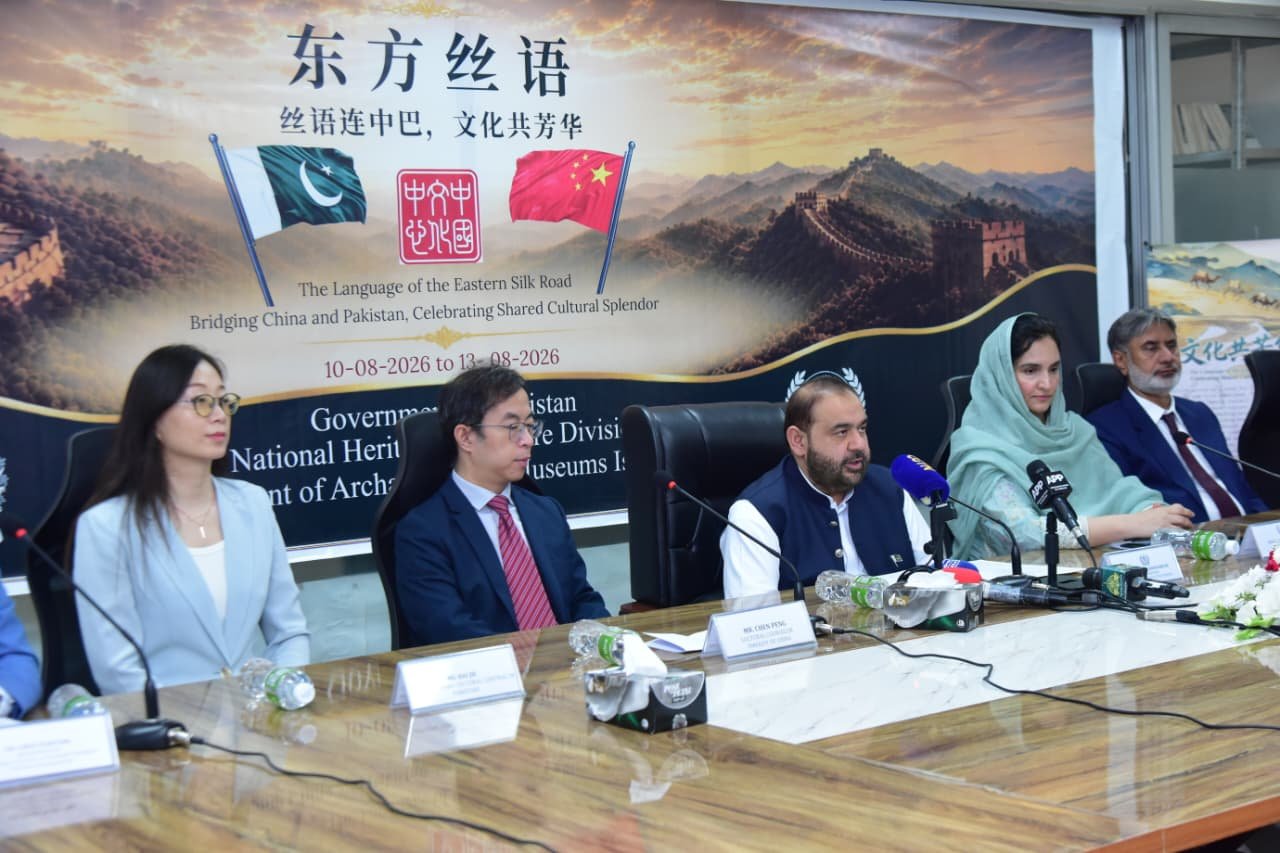
ISLAMABAD — Federal Minister for National Heritage and Culture, Aurangzeb Khan Khichi, emphasized the importance of language and cultural exchange in enhancing the longstanding friendship between Pakistan and China. Speaking at the inauguration of the Chinese Language and Chinese Culture Experience Course at the Department of Archaeology on August 10, Khichi highlighted the role of such initiatives in fostering people-to-people connections.
What Happened
On August 10, Federal Minister Aurangzeb Khan Khichi addressed the opening ceremony of a new initiative aimed at promoting cultural ties between Pakistan and China. The event marked the launch of the Chinese Language and Chinese Culture Experience Course, designed to provide participants with an immersive understanding of Chinese language and culture. The initiative is part of broader efforts to strengthen bilateral relations through educational and cultural exchanges.
In his address, Khichi underscored the significance of cultural diplomacy in international relations. He stated, “Language and cultural exchanges are crucial for building bridges between nations. They help in understanding each other’s values and traditions, thereby deepening mutual respect and cooperation.” The minister also acknowledged the historical ties between the two countries, noting that such programs could further solidify their partnership.
The course, hosted by the Department of Archaeology, aims to equip participants with basic language skills and cultural knowledge that can facilitate better communication and collaboration. It includes modules on Chinese history, art, and customs, providing a comprehensive overview of the country’s rich cultural heritage.
Background
Pakistan and China have enjoyed a robust bilateral relationship, often described as an “all-weather friendship.” This partnership has been characterized by strong economic, military, and diplomatic ties. Over the years, both nations have engaged in numerous cultural exchange programs to enhance mutual understanding and cooperation.
The China-Pakistan Economic Corridor (CPEC), a flagship project under China’s Belt and Road Initiative, has further cemented the relationship, with significant investments in infrastructure and energy projects in Pakistan. Cultural exchanges, such as language courses and joint artistic endeavors, are seen as complementary to these economic collaborations, fostering goodwill and understanding at the grassroots level.
Why It Matters
The emphasis on cultural and language exchange is significant in the context of Pakistan-China relations. As economic ties continue to grow, there is a parallel need for increased cultural understanding to ensure that collaborations are successful and mutually beneficial. Language proficiency and cultural awareness can play a crucial role in overcoming communication barriers and facilitating smoother interactions in various sectors, including business, education, and tourism.
Moreover, such initiatives contribute to the broader goal of soft diplomacy, where cultural ties are leveraged to enhance political and economic relations. For Pakistan, strengthening its relationship with China is vital for economic growth and regional stability. As China continues to expand its global influence, understanding its culture and language becomes increasingly important for Pakistani citizens and policymakers alike.
Furthermore, these exchanges can have a positive impact on the younger generation, providing them with opportunities to engage with different cultures and perspectives. This exposure can foster a more inclusive and global mindset, preparing them for future challenges in an interconnected world.
Key Takeaways
- Federal Minister Aurangzeb Khan Khichi highlighted the importance of language and cultural exchange in strengthening Pakistan-China ties.
- The Chinese Language and Chinese Culture Experience Course aims to enhance mutual understanding through education.
- Pakistan and China have a long-standing partnership, reinforced by economic projects like CPEC.
- Cultural exchanges are crucial for overcoming communication barriers and fostering cooperation.
- Such initiatives contribute to soft diplomacy and prepare the younger generation for global engagement.
Source Attribution
This article is based on official statements and public communications from the Ministry of National Heritage and Culture.














