
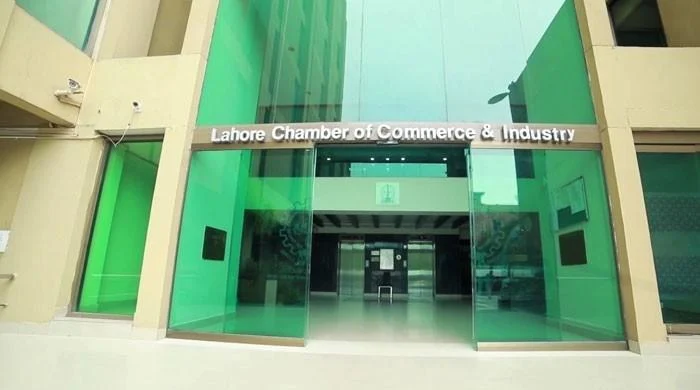
LAHORE — The Lahore Chamber of Commerce and Industry (LCCI) and the Pakistan Textile Mills Association (PTMA) convened on Friday to address the pressing challenges confronting Pakistan’s textile industry. The meeting focused on devising a joint strategy to boost exports and stimulate industrial growth, aiming to revitalize a sector crucial to the nation’s economy.
What Happened
The LCCI and PTMA held discussions to explore the current issues plaguing the textile sector, which has been facing a downturn due to various economic pressures. The meeting was attended by key stakeholders from both organizations, who emphasized the need for a coordinated approach to tackle these challenges. According to LCCI President Kashif Anwar, the textile industry is a backbone of Pakistan’s economy, contributing significantly to exports and employment. “It is imperative that we work together to formulate strategies that will not only revive the industry but also enhance its competitiveness on a global scale,” Anwar stated.
The PTMA highlighted several obstacles, including high energy costs, outdated technology, and limited access to international markets. PTMA Chairman Asif Inam stressed the importance of government support in addressing these issues. “The textile sector requires immediate policy interventions to reduce operational costs and improve infrastructure,” Inam remarked. The discussions also covered potential incentives for textile manufacturers, such as tax reliefs and subsidies, to encourage investment and innovation within the industry.
Both organizations agreed to form a task force that will work on a comprehensive plan to address these challenges. This task force will engage with government officials and other industry players to ensure that the proposed measures are effectively implemented.
Background
Pakistan’s textile industry has historically been a major contributor to the country’s GDP, accounting for approximately 8.5% of the total. However, in recent years, the sector has struggled due to rising production costs, energy shortages, and stiff competition from regional players like Bangladesh and Vietnam. The textile sector employs around 15 million people, making it one of the largest employment sectors in the country. Despite its potential, the industry has seen a decline in export revenues, which fell by 15% in the last fiscal year.
Government policies have attempted to support the industry through various initiatives, such as the Textile Policy 2020-25, which aims to increase textile exports to $20 billion. However, stakeholders argue that more immediate and effective measures are required to address the sector’s ongoing challenges.
Why It Matters
The textile industry is pivotal to Pakistan’s economic stability and growth. As one of the largest export sectors, it plays a crucial role in maintaining the country’s foreign exchange reserves. A decline in the textile industry not only affects export revenues but also has a ripple effect on employment and related industries, such as agriculture and logistics.
The collaborative efforts between LCCI and PTMA are significant as they represent a unified front to lobby for necessary reforms and support. By addressing issues such as energy costs and market access, the industry can potentially regain its competitive edge. This, in turn, could lead to increased foreign investment and a more robust economic outlook for Pakistan.
Moreover, revitalizing the textile sector is essential for achieving the government’s broader economic goals, including poverty reduction and sustainable development. As the industry recovers, it could create thousands of new jobs, thereby reducing unemployment and improving living standards for many Pakistanis.
Key Takeaways
- The LCCI and PTMA are collaborating to address challenges in Pakistan’s textile industry.
- Key issues include high energy costs, outdated technology, and limited market access.
- A task force will be formed to develop a comprehensive revival strategy.
- The textile sector is crucial for Pakistan’s economy, contributing significantly to exports and employment.
- Reviving the industry could enhance economic stability and create new job opportunities.
Source Attribution
This article is based on official statements and public communications from the Lahore Chamber of Commerce and Industry and the Pakistan Textile Mills Association.














