
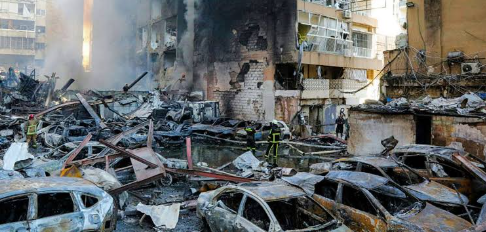
BEIRUT — Lebanon’s Ministry of Public Health announced a significant rise in casualties from Israeli strikes on Lebanon. Since March 2, the death toll has reached 4,106, with over 12,000 individuals wounded, according to figures released on June 22.
Human Toll and Government Response
Through its Emergency Operations Centre, the Lebanese Ministry of Public Health reported 4,106 fatalities and 12,153 injuries related to Israeli military actions. This humanitarian crisis severely impacts civilians, with many requiring extensive medical care.
Israeli strikes on various Lebanese locations have worsened the humanitarian situation. The Lebanese government condemns these actions and calls for international help to stop the violence. Lebanon’s fragile healthcare system struggles with the influx of casualties.
International Aid and Ongoing Conflict
Humanitarian organizations are mobilizing resources to provide medical aid and support to affected communities. The international community is urged to assist Lebanon in managing this crisis.
Historical Context
The Israel-Lebanon conflict is long-standing, marked by intense violence and fragile ceasefires. The latest escalation began in March due to incidents reigniting tensions. Root causes include territorial disputes and political disagreements, involving regional and international stakeholders.
Lebanon faces challenges like economic instability and political turmoil, worsened by the 2020 Beirut port explosion. The conflict adds to these issues, leaving the nation vulnerable. The government advocates for a peaceful resolution through dialogue.
Regional Implications
The Israel-Lebanon conflict has significant regional and international implications. The humanitarian toll demands urgent international intervention to prevent further casualties and alleviate suffering.
Economically, the conflict redirects resources from crucial areas like healthcare and infrastructure. Lebanon’s struggling economy, weakened by mismanagement, faces increased burdens.
Politically, this conflict risks further regional destabilization, drawing in other countries and complicating peace efforts. Global stability hinges on promoting peace in the Middle East.
Key Takeaways
- Lebanon reports 4,106 fatalities and 12,153 injured from Israeli strikes since March 2.
- The conflict worsens Lebanon’s economic and healthcare issues.
- International action is essential to prevent more humanitarian crises.
- Ongoing violence may destabilize the region and impact global politics.
- Humanitarian groups are providing essential aid to Lebanese communities.














