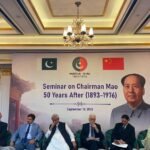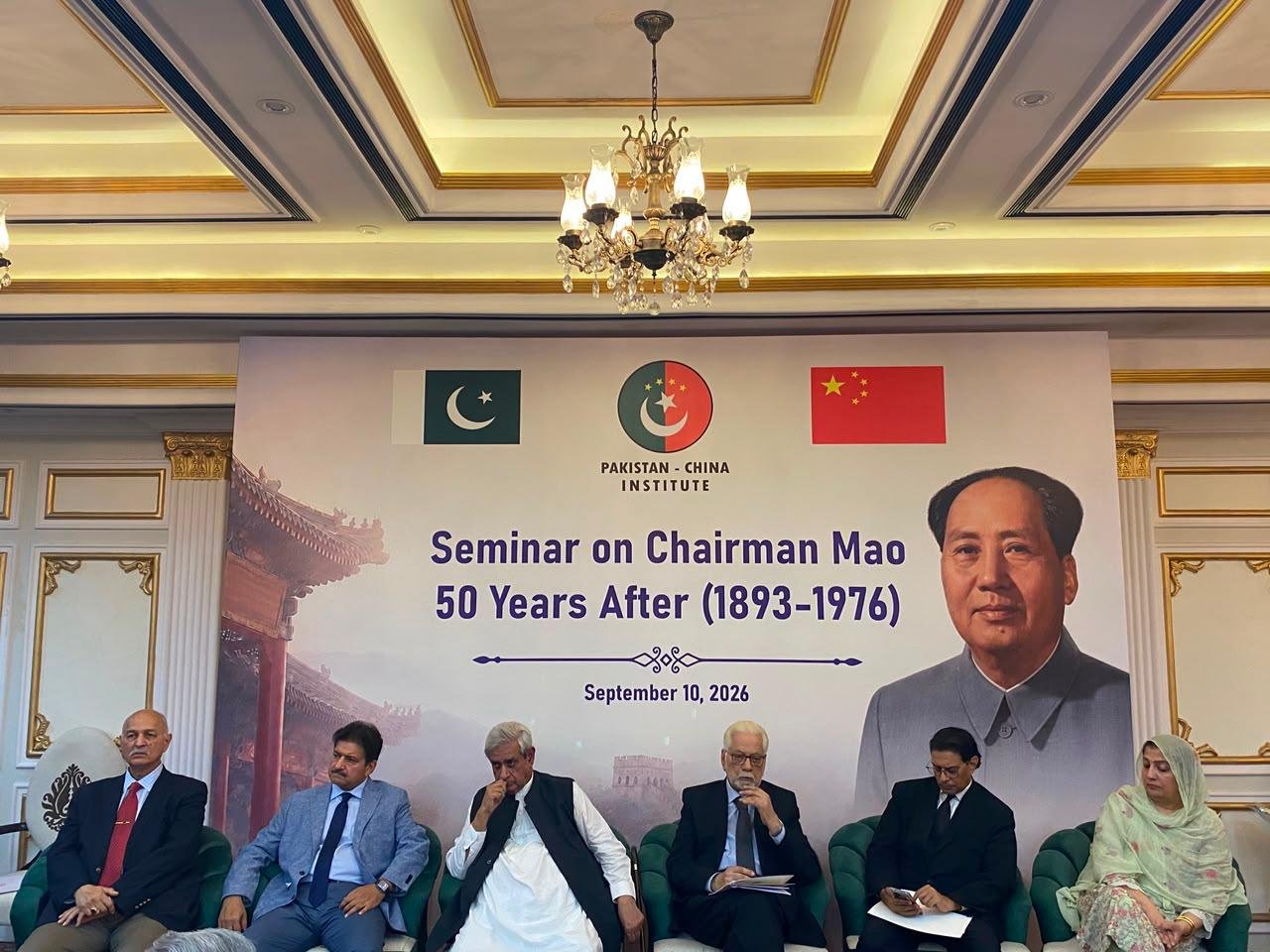
ISLAMABAD — Chinese leader Mao Zedong was commemorated on Thursday for his pivotal role in the establishment of modern China and the strengthening of Pakistan-China diplomatic relations. The ceremony, held on the occasion of Mao’s 50th death anniversary, featured various speakers who lauded his political legacy, including Pakistan-China Institute Chairman Senator Mushahid Hussain Sayed.
What Happened
The event, organized to honor Mao Zedong’s contributions, highlighted his influence on the geopolitical landscape of Asia and the enduring friendship between Pakistan and China. Senator Mushahid Hussain Sayed emphasized that China continues to be the “pivot” of Pakistan’s foreign policy, a strategy that was significantly shaped during Mao’s leadership. The ceremony underscored the historical ties between the two nations, which have grown stronger over the decades through mutual cooperation and strategic partnerships.
Speakers at the event reflected on Mao’s vision for China and his efforts to foster strong international alliances, particularly with Pakistan. They noted that Mao’s leadership not only transformed China into a global power but also laid the groundwork for a robust bilateral relationship with Pakistan, characterized by economic collaboration and political solidarity.
The commemoration also included discussions on the current state of Pak-China relations, with emphasis on the China-Pakistan Economic Corridor (CPEC), a flagship project of China’s Belt and Road Initiative. This project is seen as a testament to the enduring partnership initiated during Mao’s era, bringing significant economic benefits to both countries.
Background
Mao Zedong, a central figure in the Chinese Communist Party, led China from 1949 until his death in 1976. His policies and political strategies were instrumental in establishing the People’s Republic of China and shaping its international relations. The foundation of Pak-China friendship was laid during his leadership, marked by a series of diplomatic exchanges and agreements that have since evolved into a comprehensive strategic partnership.
The relationship between Pakistan and China has been characterized by mutual trust and cooperation, with both countries supporting each other on various international platforms. Over the years, this alliance has expanded to include economic, military, and cultural exchanges, further solidifying their bond.
Why It Matters
The commemoration of Mao Zedong’s death anniversary is significant as it highlights the historical roots of the Pak-China relationship, which continues to play a crucial role in the region’s stability and development. The strategic partnership between the two nations is not only vital for their economic growth but also for maintaining regional security and addressing common challenges.
Economically, the relationship has facilitated numerous joint ventures and investments, particularly through CPEC, which aims to enhance connectivity and trade between Asia, Africa, and Europe. This project is expected to boost Pakistan’s economy by creating jobs, improving infrastructure, and increasing energy capacity.
Politically, the alliance provides both countries with a reliable partner in international diplomacy, allowing them to support each other in regional and global forums. This cooperation is crucial in navigating the complex geopolitical dynamics of South Asia and beyond.
Socially, the cultural exchanges and people-to-people contacts fostered by this relationship have enhanced mutual understanding and respect, contributing to a more harmonious regional environment.
Key Takeaways
- Mao Zedong is celebrated for his role in strengthening Pak-China diplomatic and strategic relations.
- The 50th death anniversary event highlighted the historical and ongoing significance of this bilateral partnership.
- CPEC is a cornerstone of the Pak-China relationship, reflecting the economic benefits of their alliance.
- The partnership is crucial for regional stability, economic growth, and addressing shared challenges.
- Cultural exchanges between the two nations have fostered mutual understanding and respect.
Source Attribution
This article is based on official government statements, press releases, and public communications from relevant authorities.