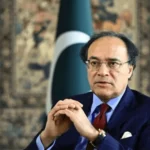
ISLAMABAD — Federal Minister for Investment and Board of Investment (BOI), Qaiser Ahmed Sheikh, emphasized the urgent need for modernizing Pakistan’s education system during an international education summit on Wednesday. He highlighted the importance of developing future-ready skills and fostering national consensus to drive sustainable economic growth and prosperity in the country.
What Happened
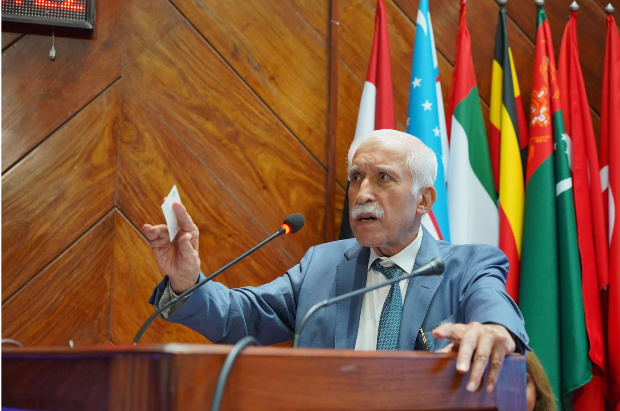
At the international education summit, Minister Qaiser Ahmed Sheikh addressed a diverse audience comprising educational experts, policy makers, and international delegates. The minister outlined a strategic vision for overhauling Pakistan’s educational framework to better align with global standards and future economic demands. “To achieve sustainable economic growth, we must equip our youth with skills that meet the demands of the modern world,” Sheikh stated.
The minister called for a comprehensive reform in the education sector, emphasizing the integration of technology and innovation into the curriculum. He argued that the current system does not adequately prepare students for the rapidly evolving job market, which increasingly values technological proficiency and critical thinking skills.
Sheikh also stressed the necessity of building a national consensus on educational reforms. He noted that without unified support from all stakeholders, including government bodies, educational institutions, and the private sector, meaningful progress would be challenging. “A collaborative approach is essential to implement effective educational reforms that can drive our nation forward,” he added.
The summit provided a platform for exchanging ideas and best practices with international counterparts, offering insights into successful educational models from around the world. The minister expressed optimism that such dialogues could inspire innovative solutions tailored to Pakistan’s unique challenges.
Background
Pakistan’s education system has long been criticized for its outdated curriculum and lack of alignment with the needs of the modern economy. Previous attempts at reform have often been hindered by political and bureaucratic challenges. The country’s literacy rate remains a concern, with significant disparities in educational access and quality between urban and rural areas.
In recent years, there has been a growing recognition of the need to integrate technology into education and to focus on skill development. The government has launched several initiatives aimed at improving educational outcomes, but these efforts have been met with mixed results.
Globally, education systems are increasingly focusing on STEM (Science, Technology, Engineering, and Mathematics) fields and digital literacy to prepare students for the demands of the 21st-century workforce. Pakistan’s participation in international education summits underscores its commitment to learning from global best practices and striving for educational excellence.
Why It Matters
The call for educational reform and skills development is critical for Pakistan’s economic future. With a young population poised to enter the workforce, equipping them with relevant skills is essential for harnessing the country’s demographic dividend. Failure to do so could result in high unemployment rates and economic stagnation.
Modernizing the education system can also contribute to reducing inequality and promoting social mobility. By providing quality education and skill development opportunities, the government can help bridge the gap between different socio-economic groups, fostering a more inclusive society.
Furthermore, aligning educational outcomes with market needs can attract foreign investment, as businesses seek skilled labor to drive innovation and productivity. This can enhance Pakistan’s competitiveness on the global stage, opening up new avenues for economic growth and development.
Internationally, Pakistan’s commitment to educational reform can improve its reputation as a forward-thinking nation, ready to embrace change and innovation. This can strengthen diplomatic ties and create opportunities for international collaboration in education and beyond.
Key Takeaways
- Federal Minister Qaiser Ahmed Sheikh calls for modernizing Pakistan’s education system at an international summit.
- The minister emphasizes the need for future-ready skills and national consensus on educational reforms.
- Current educational challenges include outdated curricula and lack of alignment with job market demands.
- Reforming education is crucial for economic growth, social mobility, and attracting foreign investment.
- International collaboration can inspire innovative solutions tailored to Pakistan’s unique challenges.
Source Attribution
This article is based on official government statements, press releases, and public communications from relevant authorities.