
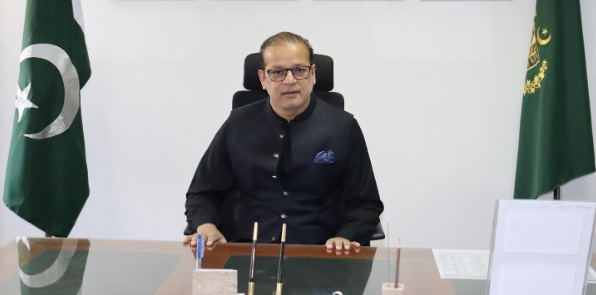
SIALKOT — Minister of State for Planning and Development, Chaudhry Armaghan Subhani, conducted an open court session on Sunday at his Daira in Vario, Sialkot, where he addressed the grievances and concerns of local residents. The event saw a large turnout, reflecting the community’s eagerness to engage directly with governmental representatives.
What Happened
Chaudhry Armaghan Subhani, in a bid to foster direct communication with the public, organized an open court session at his residence in Vario. The session was attended by a significant number of local residents who brought forth a variety of issues ranging from infrastructure deficiencies to social welfare concerns. The Minister of State listened attentively to each individual, taking notes and promising to address their issues with the relevant authorities.
During the session, residents highlighted problems such as inadequate road conditions, lack of clean drinking water, and insufficient healthcare facilities. Chaudhry Armaghan Subhani assured the attendees that their concerns would be prioritized in upcoming development plans. He emphasized the government’s commitment to resolving these issues, stating, “We are dedicated to improving the quality of life for our citizens and will take immediate steps to address these challenges.”
The open court also served as a platform for the Minister to update the community on ongoing and future development projects. He outlined plans for infrastructure improvements, including road repairs and the installation of new water filtration plants. The session concluded with the Minister thanking the attendees for their participation and encouraging ongoing dialogue between the public and government officials.
Background
Open court sessions have been a traditional method for government officials in Pakistan to engage directly with the public, allowing citizens to voice their concerns without the bureaucratic hurdles typically associated with formal complaint processes. This approach is seen as a way to build trust and transparency between the government and its citizens.
Chaudhry Armaghan Subhani, who has been serving as the Minister of State for Planning and Development, has been actively involved in community engagement initiatives. His efforts are part of a broader strategy by the government to enhance public service delivery and ensure that development projects align with the actual needs of the population.
Why It Matters
The open court session in Vario is significant as it highlights the government’s efforts to bridge the gap between policymakers and the public. In a country where citizens often feel disconnected from government processes, such initiatives can enhance transparency and accountability.
Economically, addressing infrastructure issues and improving public services can lead to increased productivity and better quality of life for residents. For instance, better road conditions can facilitate trade and transport, while access to clean water and healthcare can improve public health outcomes. These improvements are crucial for the socio-economic development of regions like Vario, which may not always be prioritized in national development agendas.
Politically, the engagement of officials like Chaudhry Armaghan Subhani in direct dialogue with citizens can bolster public confidence in the government. It demonstrates a commitment to listening to and acting upon the needs of the people, which is essential for maintaining public trust and support.
Key Takeaways
- Minister of State Chaudhry Armaghan Subhani held an open court in Vario, Sialkot, to address public concerns.
- Residents raised issues related to infrastructure, water supply, and healthcare.
- The Minister promised to prioritize these concerns in future development plans.
- Open court sessions enhance government transparency and public trust.
- Improving infrastructure and services can have significant socio-economic benefits for the region.
Source Attribution
This article is based on official government statements and public communications from relevant authorities.














