
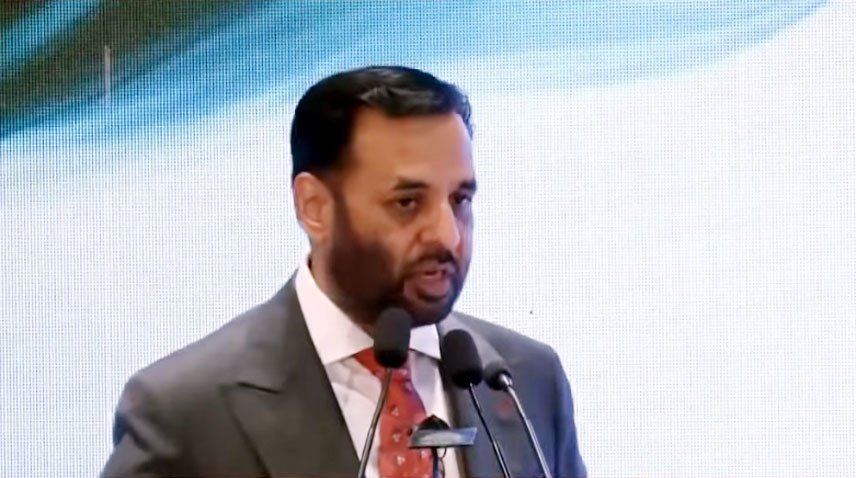
ISLAMABAD — Federal Minister for National Health Services, Regulations and Coordination Syed Mustafa Kamal on Saturday commended the successful conclusion of the Pakistan–China Pharmaceutical & Healthcare B2B Investment Conference 2026. The conference, held in Islamabad, is expected to result in agreements worth approximately $850 million, including 16 formal agreements and 80 Memoranda of Understanding (MoUs).
What Happened
The Pakistan–China Pharmaceutical & Healthcare B2B Investment Conference 2026 brought together key stakeholders from both nations to explore collaborative opportunities in the pharmaceutical and healthcare sectors. The event, which took place in Islamabad, saw the participation of industry leaders, government officials, and business representatives aiming to strengthen bilateral ties and foster economic growth.
Minister Syed Mustafa Kamal expressed optimism about the outcomes of the conference, highlighting the potential for substantial foreign investment and technological advancement in Pakistan’s healthcare sector. “The agreements and MoUs signed during the conference signify a major step forward in our bilateral relations with China, particularly in the healthcare and pharmaceutical industries,” Kamal stated.
The conference facilitated discussions on various topics, including joint ventures, technology transfer, and capacity building. The agreements are expected to enhance Pakistan’s pharmaceutical manufacturing capabilities and improve healthcare infrastructure, ultimately benefiting the country’s healthcare system and its citizens.
Background
Pakistan and China have a longstanding history of economic and strategic cooperation, often referred to as an “all-weather” partnership. The two countries have collaborated on numerous projects under the China-Pakistan Economic Corridor (CPEC), a flagship initiative of China’s Belt and Road Initiative (BRI). This conference is a continuation of efforts to deepen economic ties and expand cooperation into new sectors such as healthcare and pharmaceuticals.
In recent years, Pakistan has been focusing on enhancing its healthcare infrastructure and pharmaceutical industry to meet the growing demands of its population. The government has introduced various policies to attract foreign investment and foster innovation in these sectors, recognizing their critical role in national development.
Why It Matters
The agreements reached at the conference are significant for several reasons. Economically, the expected $850 million investment will provide a substantial boost to Pakistan’s healthcare and pharmaceutical sectors, creating jobs and fostering technological advancements. This influx of capital and expertise is crucial for addressing the country’s healthcare challenges and improving access to quality medical services.
Socially, the collaboration with China is likely to lead to improved healthcare outcomes for Pakistani citizens. The transfer of technology and knowledge from Chinese partners can enhance local manufacturing capabilities, reduce reliance on imports, and make essential medicines more affordable and accessible.
Politically, the conference underscores the strength of Pakistan-China relations and their commitment to expanding cooperation beyond traditional areas such as infrastructure and energy. By diversifying their partnership to include healthcare and pharmaceuticals, both countries are demonstrating a shared vision for sustainable development and mutual prosperity.
Internationally, this development positions Pakistan as a more attractive destination for foreign investment in the healthcare sector, potentially encouraging other countries to explore similar partnerships. It also aligns with global trends of increasing collaboration in healthcare innovation and pharmaceutical research, further integrating Pakistan into the international economic landscape.
Key Takeaways
- The Pakistan–China Pharmaceutical & Healthcare B2B Investment Conference 2026 resulted in $850 million in expected agreements.
- 16 formal agreements and 80 MoUs were signed, focusing on enhancing Pakistan’s healthcare and pharmaceutical sectors.
- The conference is part of ongoing efforts to strengthen Pakistan-China economic and strategic ties.
- The investment is expected to boost local manufacturing capabilities and improve healthcare access in Pakistan.
- This development highlights the diversification of Pakistan-China relations into new sectors beyond traditional areas.
Source Attribution
This article is based on official government statements, press releases, and public communications from relevant authorities.














