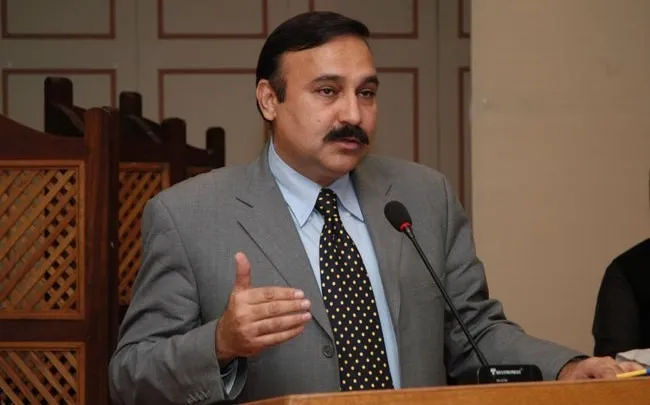
ISLAMABAD — Federal Minister for Parliamentary Affairs Dr. Tariq Fazal Chaudhry expressed approval on Monday regarding the Islamabad High Court’s recent directives concerning political activities in the capital. The minister emphasized that the court’s decision is pivotal for maintaining law and order and safeguarding the constitutional rights of Islamabad’s residents.
What Happened
The Islamabad High Court (IHC) issued directives aimed at regulating political activities within the federal capital, a move that has been met with approval from various government officials, including Dr. Tariq Fazal Chaudhry. Speaking to the media, Dr. Chaudhry highlighted the importance of the court’s decision in ensuring that political activities do not disrupt the daily lives of citizens or infringe upon their rights.
Dr. Chaudhry stated, “The court has clearly established guidelines that will help in balancing the right to political expression with the need to maintain public order.” The minister underscored that the directives are not intended to stifle political expression but to ensure that such activities are conducted in a manner that respects the law and the rights of other citizens.
The IHC’s decision comes in response to increasing concerns about the impact of political gatherings and protests on traffic, public safety, and the general environment in Islamabad. The court’s ruling aims to provide a framework within which political parties and groups can organize their activities without causing undue disruption.
Background
Political activities in Islamabad have often led to significant disruptions, affecting daily life and raising concerns over public safety. Historically, large-scale protests and rallies have resulted in road closures and heightened security measures, impacting both residents and businesses. The IHC’s recent ruling seeks to address these issues by establishing clear guidelines for conducting political activities within the city.
The legal framework governing public gatherings in Pakistan is primarily based on the Constitution, which guarantees the right to assembly and freedom of expression. However, these rights are subject to reasonable restrictions in the interest of public order, morality, and national security. The IHC’s directives are an attempt to balance these constitutional rights with the practical need to maintain order in the capital.
Why It Matters
The Islamabad High Court’s ruling is significant for several reasons. Economically, the regulation of political activities can help minimize disruptions to businesses and public services, which are often affected by large gatherings and protests. This is particularly important in Islamabad, where the concentration of government offices and businesses means that any disruption can have a wide-reaching impact.
Socially, the decision is crucial in ensuring that the rights of all citizens are respected. While political expression is a fundamental right, it must be balanced with the rights of others to live and work in a safe and orderly environment. The court’s directives aim to create a framework that allows for political expression without compromising public safety and order.
Politically, the ruling could set a precedent for other cities in Pakistan, where similar issues are prevalent. By establishing a clear legal framework for political activities, the IHC’s decision could influence how other regions manage public gatherings, potentially leading to more consistent and orderly conduct of political activities nationwide.
Key Takeaways
- The Islamabad High Court has issued directives to regulate political activities in the capital.
- Federal Minister Dr. Tariq Fazal Chaudhry supports the decision, emphasizing its importance for law and order.
- The ruling aims to balance political expression with public safety and order.
- Historically, political activities in Islamabad have caused significant disruptions.
- The decision could influence how other cities in Pakistan manage political gatherings.
Source Attribution
This article is based on official government statements, press releases, and public communications from relevant authorities.