
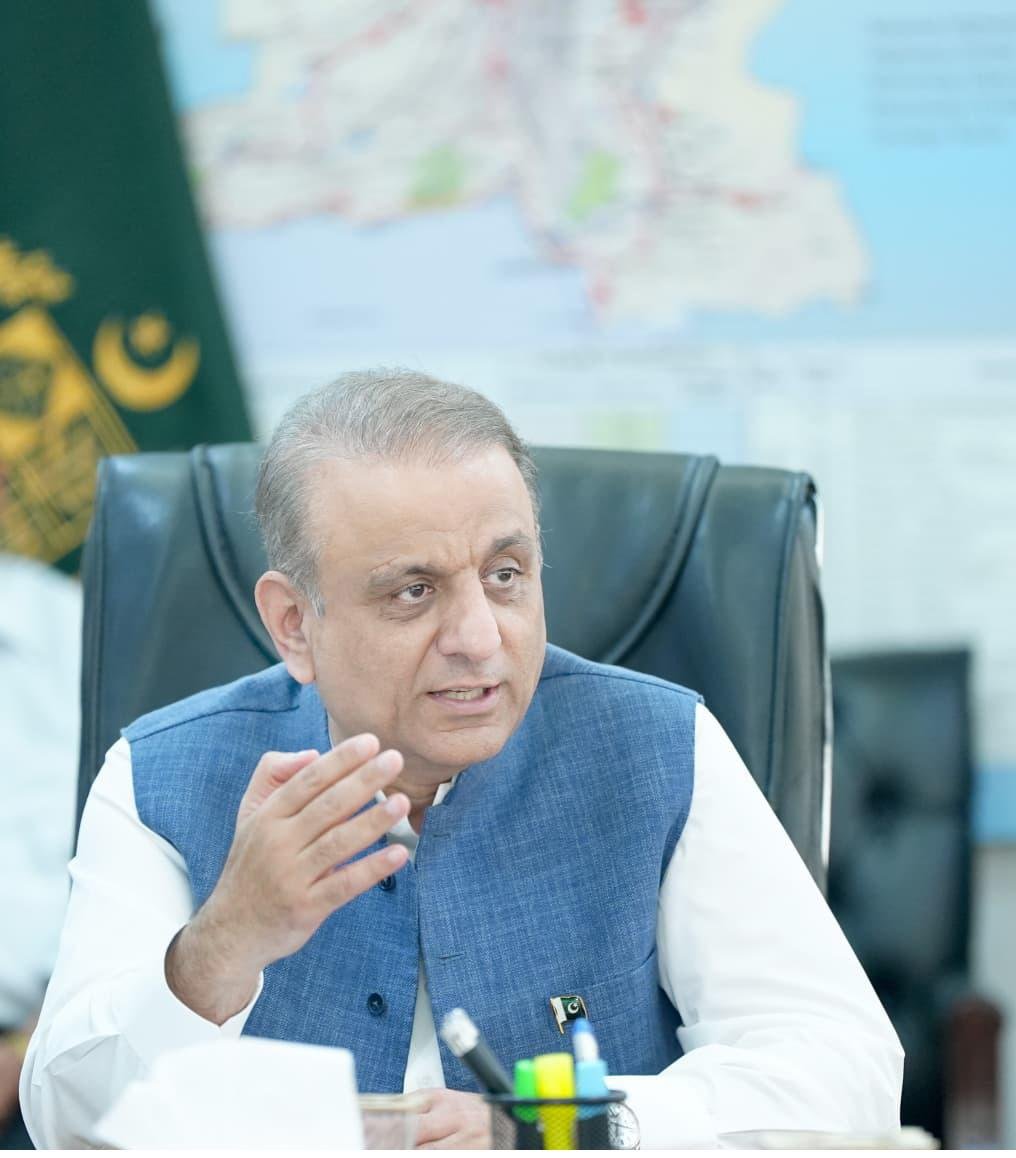
ISLAMABAD — Federal Minister for Communications Abdul Aleem Khan has reiterated Pakistan’s steadfast support for the people of Indian Illegally Occupied Jammu and Kashmir (IIOJK), emphasizing that India’s unilateral actions will not diminish the Kashmiris’ enduring quest for freedom. This statement was made in a special message issued on the eve of Youm-e-Istehsal, observed annually to mark the abrogation of Article 370 by India.
What Happened
In a statement released on August 4, Abdul Aleem Khan underscored Pakistan’s commitment to standing alongside the Kashmiri people, asserting that India’s efforts to suppress their aspirations for self-determination would ultimately fail. The minister’s remarks come as part of Pakistan’s observance of Youm-e-Istehsal, a day dedicated to highlighting the plight of Kashmiris under Indian administration.
Khan stated, “The spirit of freedom among the people of Jammu and Kashmir cannot be crushed by Indian unilateral actions.” He further expressed that the international community must recognize the ongoing human rights violations in the region and take appropriate measures to address them.
The observance of Youm-e-Istehsal marks the fourth anniversary of India’s decision to revoke the special status of Jammu and Kashmir on August 5, 2019, a move that has since been a point of contention between India and Pakistan. The day is marked by various activities across Pakistan, including rallies, seminars, and media campaigns aimed at raising awareness about the situation in Kashmir.
Background
The conflict over Jammu and Kashmir dates back to the partition of British India in 1947, which led to the creation of India and Pakistan. Both countries claim the region in full but control only parts of it. The abrogation of Article 370 by the Indian government in 2019 removed the special autonomy previously granted to the region, leading to widespread unrest and international criticism.
Since the revocation, Kashmir has been under a security lockdown, with restrictions on communication and movement. Human rights organizations have reported numerous violations, including arbitrary detentions and restrictions on freedom of expression. The region’s status remains a flashpoint in Indo-Pakistani relations, with both sides engaging in diplomatic and military standoffs.
Why It Matters
The situation in Kashmir holds significant implications for regional stability in South Asia. The ongoing conflict has led to numerous military skirmishes along the Line of Control, the de facto border between Indian and Pakistani controlled areas of Kashmir. These tensions have the potential to escalate into a broader conflict, which could have severe consequences for the region.
Economically, the instability in Kashmir affects trade and investment opportunities, not only within the region but also in the broader South Asian context. The uncertainty deters potential investors and hampers economic development, which is crucial for the prosperity of both India and Pakistan.
On an international level, the Kashmir issue draws attention to human rights concerns and the need for conflict resolution. The international community’s response, or lack thereof, to the situation in Kashmir could set precedents for how similar conflicts are addressed globally. The plight of the Kashmiri people continues to be a rallying point for human rights advocates worldwide.
Key Takeaways
- Federal Minister Abdul Aleem Khan reaffirmed Pakistan’s support for Kashmiris on Youm-e-Istehsal.
- India’s abrogation of Article 370 in 2019 remains a contentious issue between India and Pakistan.
- The Kashmir conflict has significant implications for regional stability and economic development in South Asia.
- Human rights violations in Kashmir continue to draw international attention and concern.
- The situation in Kashmir serves as a critical test for international conflict resolution efforts.
Source Attribution
This article is based on official statements and public communications from relevant authorities.














