
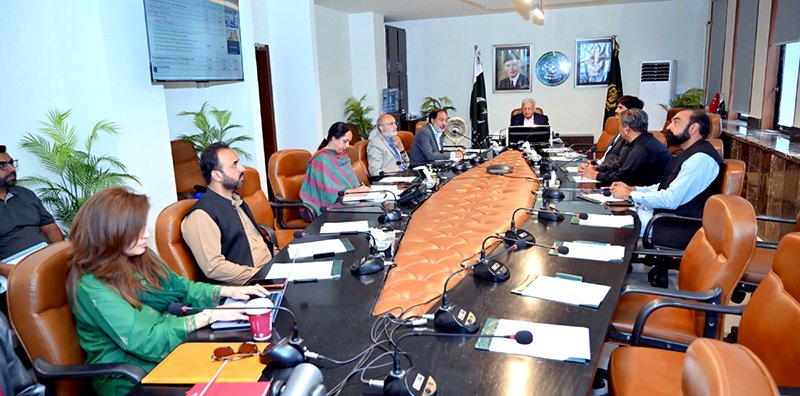
ISLAMABAD — Federal Minister for National Food Security and Research, Rana Tanveer Hussain, chaired a high-level meeting of the Sugar Advisory Board on Tuesday to assess the current sugar supply situation, domestic requirements, and available stocks across Pakistan. The meeting, held in Islamabad, aimed to ensure the stability of sugar supplies and address any potential shortages in the market.
What Happened
The meeting, led by Minister Rana Tanveer Hussain, brought together key stakeholders from the sugar industry, including representatives from sugar mills, government officials, and market analysts. The primary focus was to evaluate the current stock levels and forecast future supply needs to prevent any disruptions in the market. The minister emphasized the importance of maintaining a stable supply chain to avoid price hikes and ensure affordability for consumers.
During the discussions, the Sugar Advisory Board reviewed data on sugar production, consumption trends, and import requirements. Minister Hussain highlighted the need for accurate data collection and timely interventions to manage the sugar supply effectively. He stated, “Our priority is to ensure that there is no shortage of sugar in the country and that prices remain stable for the benefit of consumers.”
The board also discussed strategies to enhance domestic production and reduce dependency on imports. Participants explored ways to support local farmers and improve yield through modern agricultural practices and technology. The minister assured stakeholders of the government’s commitment to facilitating the sugar industry and addressing any challenges they face.
Background
Pakistan’s sugar industry has faced numerous challenges over the years, including fluctuating production levels, pricing disputes, and regulatory hurdles. Historically, the country has experienced periodic sugar shortages, leading to price volatility and public discontent. The government has often intervened through imports or subsidies to stabilize the market.
The Sugar Advisory Board, established to oversee the sector, plays a crucial role in monitoring supply and demand dynamics. It provides recommendations to the government on policy measures and strategic interventions to ensure a balanced market. The board’s meetings are pivotal in aligning industry stakeholders and government efforts towards sustainable sugar production and distribution.
Why It Matters
The sugar industry is a significant component of Pakistan’s agricultural economy, impacting millions of livelihoods, from farmers to factory workers. Ensuring a stable sugar supply is vital not only for economic reasons but also for social stability. Sugar is a staple commodity in Pakistani households, and any disruption in its supply can lead to public discontent and economic strain.
Economically, the sugar sector contributes to export revenues and job creation. By enhancing domestic production and reducing import reliance, Pakistan can improve its trade balance and strengthen its agricultural sector. The meeting’s focus on supporting local farmers and improving yields aligns with broader government objectives of agricultural self-sufficiency and rural development.
Politically, managing sugar supply effectively is crucial for the government to maintain public trust and avoid criticism related to inflation and commodity shortages. The Sugar Advisory Board’s proactive approach in addressing potential supply issues reflects the government’s commitment to economic stability and consumer protection.
Key Takeaways
- Federal Minister Rana Tanveer Hussain chaired a Sugar Advisory Board meeting to review sugar supply and stocks.
- The meeting focused on ensuring stable sugar supplies and preventing market disruptions.
- Strategies to enhance domestic production and reduce import dependency were discussed.
- The sugar industry is vital for Pakistan’s economy, impacting livelihoods and export revenues.
- Effective management of sugar supply is crucial for economic and social stability in Pakistan.
Source Attribution
This article is based on official government statements, press releases, and public communications from relevant authorities.














