
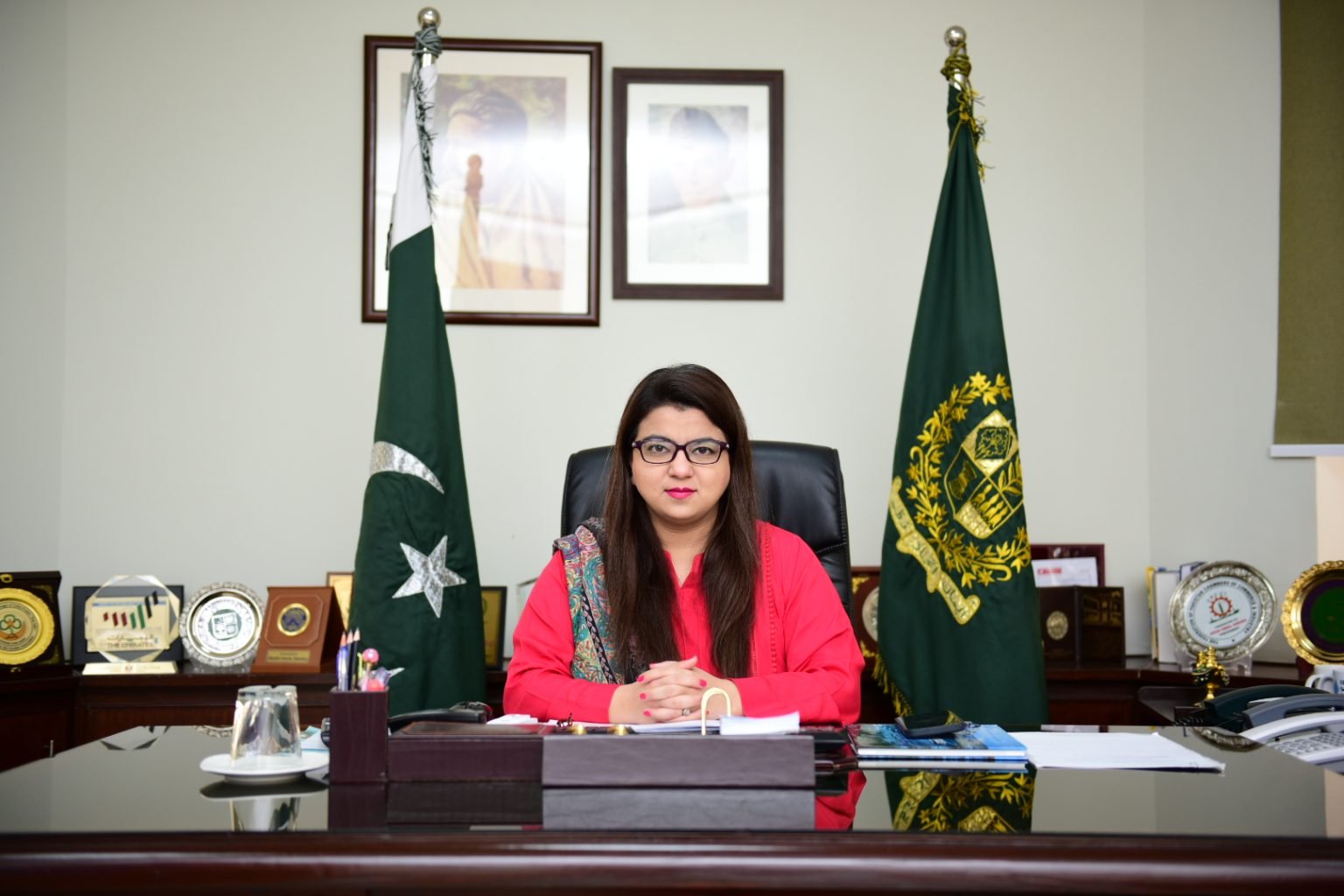
ISLAMABAD — Federal Minister for Information Technology and Telecommunication Shaza Fatima Khawaja has extended her heartfelt greetings to the citizens of Pakistan, both domestically and internationally, on the occasion of the country’s 79th Independence Day. Her message of unity and progress comes as the nation reflects on its journey since gaining independence.
What Happened
On the eve of Pakistan’s 79th Independence Day, Shaza Fatima Khawaja, the Federal Minister for Information Technology and Telecommunication, addressed the nation with a message of celebration and reflection. She congratulated Pakistanis worldwide, acknowledging the significance of this day in the nation’s history. “Independence Day is a reminder of the sacrifices made by our forefathers and a call to action for us to build a prosperous future,” she stated.
In her address, the minister highlighted the achievements of Pakistan in the realm of technology and telecommunication, emphasizing the sector’s role in national development. She noted the strides made in digital transformation and connectivity, which have been pivotal in empowering citizens and fostering economic growth.
Shaza Fatima also paid tribute to the resilience and determination of the Pakistani people, urging them to continue working towards a united and progressive nation. “Our strength lies in our unity and diversity. Let us honor the spirit of independence by contributing to the nation’s progress,” she added.
Background
Pakistan’s Independence Day is celebrated annually on August 14, marking the day in 1947 when the country gained independence from British rule. The day is observed with various ceremonies, parades, and events across the nation, reflecting on the struggles and achievements since independence.
Historically, the journey to independence was marked by significant challenges, including the partition of India and the subsequent migration crisis. Over the years, Pakistan has faced numerous political, economic, and social hurdles, yet it has continued to strive towards growth and stability.
The Ministry of Information Technology and Telecommunication has been pivotal in advancing Pakistan’s digital landscape, fostering innovation, and enhancing connectivity across the country. Under the leadership of Shaza Fatima Khawaja, the ministry has focused on initiatives that aim to bridge the digital divide and promote technological education.
Why It Matters
The celebration of Independence Day holds profound importance for Pakistan, serving as a reminder of the nation’s hard-won freedom and the responsibilities that come with it. For many citizens, it is a day to reflect on national identity and the collective aspirations for a better future.
In the context of technology and telecommunication, the minister’s message underscores the sector’s critical role in shaping Pakistan’s future. As the country navigates the challenges of the 21st century, digital transformation is seen as a key driver of economic development, job creation, and social inclusion.
Moreover, Shaza Fatima’s emphasis on unity and diversity resonates with the broader socio-political landscape of Pakistan. As a nation with a rich tapestry of cultures and ethnicities, fostering unity is essential for maintaining social harmony and driving collective progress.
The minister’s call to action encourages citizens to actively participate in the nation’s development, highlighting the importance of individual contributions to achieving national goals. This message is particularly relevant as Pakistan continues to face economic challenges and seeks to enhance its global standing.
Key Takeaways
- Federal Minister Shaza Fatima Khawaja extended Independence Day greetings to Pakistanis worldwide.
- She highlighted the achievements in technology and telecommunication as vital for national progress.
- Independence Day commemorates Pakistan’s freedom from British rule in 1947.
- The minister’s message emphasized unity, diversity, and the importance of individual contributions.
- Digital transformation is seen as a key driver for Pakistan’s future economic and social development.
Source Attribution
This article is based on official government statements, press releases, and public communications from relevant authorities.














