
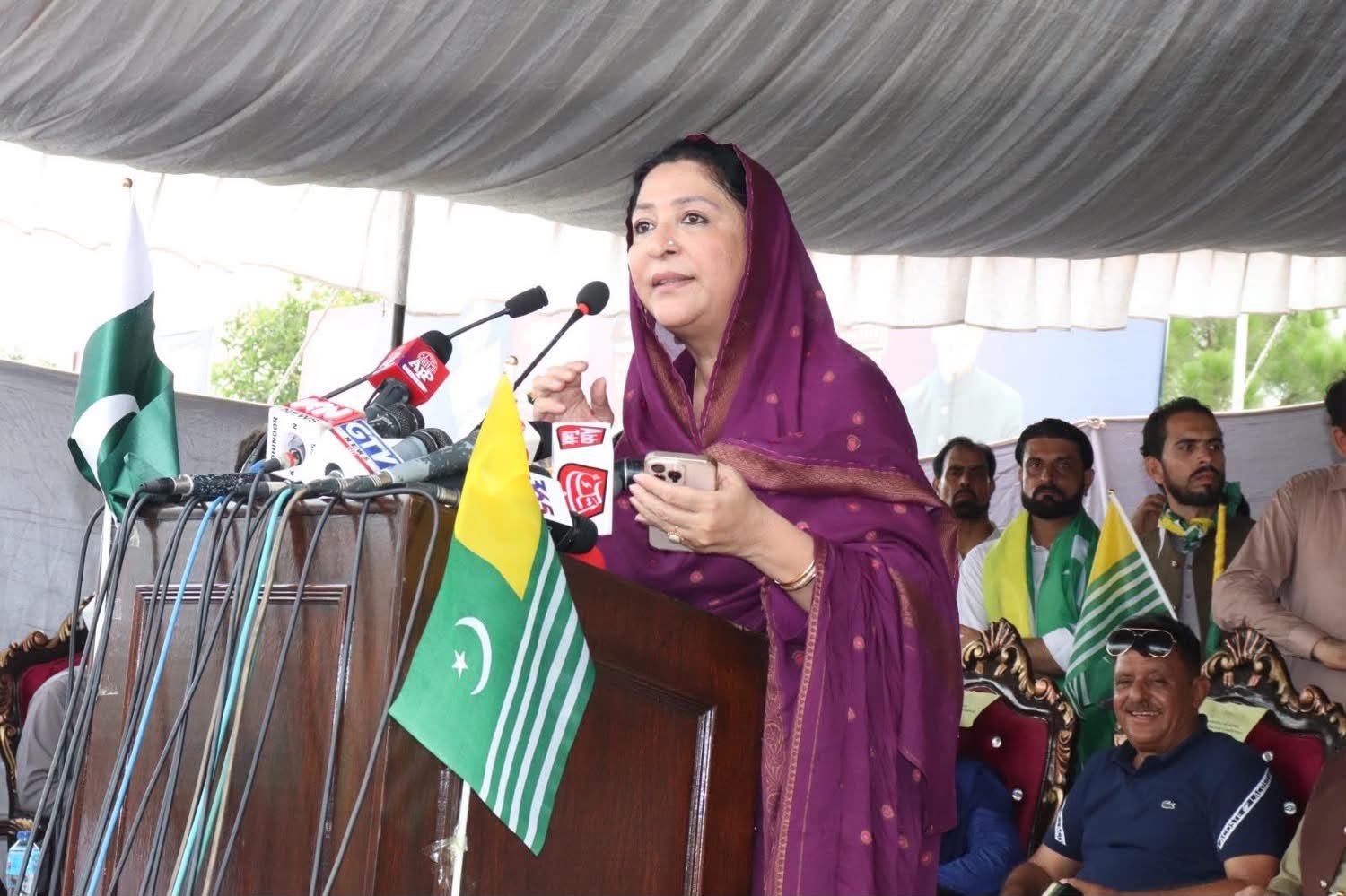
ISLAMABAD — On the occasion of Youm-e-Istehsal-e-Kashmir, Minister of State for Federal Education and Professional Training, Ms. Wajiha Qamar, reiterated Pakistan’s unwavering support for the people of Indian Illegally Occupied Jammu and Kashmir (IIOJK). She emphasized the significance of August 5, 2019, as a day that marked a serious breach of international law and the United Nations Security Council resolutions, highlighting the ongoing struggle for the Kashmiri people’s right to self-determination.
What Happened
During the observance of Youm-e-Istehsal-e-Kashmir, Ms. Wajiha Qamar addressed the nation, reaffirming Pakistan’s steadfast political, diplomatic, and moral support for the Kashmiri people. The day marks the anniversary of the Indian government’s decision to revoke the special status of Jammu and Kashmir, a move that has been widely condemned by Pakistan and various international organizations as a violation of international law and human rights.
Ms. Qamar stated, “The events of August 5, 2019, represent a grave violation of international norms and the fundamental rights of the Kashmiri people.” She further emphasized the need for the international community to hold India accountable for its actions and to support the Kashmiri people’s right to self-determination as enshrined in various United Nations resolutions.
Pakistan observes Youm-e-Istehsal-e-Kashmir annually to express solidarity with the people of IIOJK and to draw global attention to their plight. The day is marked by various activities, including rallies, seminars, and media campaigns, aimed at highlighting the ongoing human rights violations in the region.
Background
The conflict over Jammu and Kashmir has been a longstanding issue between India and Pakistan, with both countries claiming the region in its entirety. The situation escalated on August 5, 2019, when the Indian government abrogated Article 370 of its constitution, which granted special autonomy to Jammu and Kashmir. This move was met with widespread protests and international criticism.
Since then, the region has been under a heavy security lockdown, with restrictions on movement and communication. Reports of human rights abuses, including arbitrary detentions and excessive use of force by Indian security forces, have been documented by various human rights organizations.
The United Nations has repeatedly called for a peaceful resolution to the conflict and has urged both India and Pakistan to engage in dialogue. However, tensions remain high, with sporadic clashes reported along the Line of Control, the de facto border between the two countries in the region.
Why It Matters
The observance of Youm-e-Istehsal-e-Kashmir is significant as it underscores Pakistan’s commitment to supporting the Kashmiri cause on the international stage. The issue of Jammu and Kashmir remains a critical point of contention between India and Pakistan, with implications for regional stability and security.
For Pakistan, the situation in IIOJK is not only a matter of territorial dispute but also a humanitarian concern. The ongoing human rights violations in the region have drawn criticism from international bodies, and Pakistan continues to advocate for the Kashmiri people’s rights at various global forums.
Economically, the conflict has strained resources and diverted attention from development initiatives in both countries. Socially, it has led to increased militarization and a climate of fear and uncertainty for the residents of the region.
Internationally, the Kashmir issue tests the efficacy of global governance structures in addressing human rights violations and conflict resolution. The response of the international community to the situation in IIOJK could set precedents for handling similar conflicts worldwide.
Key Takeaways
- Minister Wajiha Qamar reaffirmed Pakistan’s support for Kashmiris on Youm-e-Istehsal-e-Kashmir.
- August 5, 2019, marks the revocation of Jammu and Kashmir’s special status by India.
- The move is viewed as a violation of international law and human rights.
- Pakistan continues to advocate for the Kashmiri people’s right to self-determination.
- The conflict has significant implications for regional and international stability.
Source Attribution
This article is based on official government statements and public communications from relevant authorities.














