ABBOTTABAD — Experts at a recent event emphasized the importance of adopting modern and environmentally friendly farming practices, including tunnel farming, to safeguard agriculture against the impacts of climate change. The event, aimed at raising awareness, brought together agricultural specialists, farmers, and policymakers to discuss strategies for enhancing crop resilience and boosting production.
What Happened
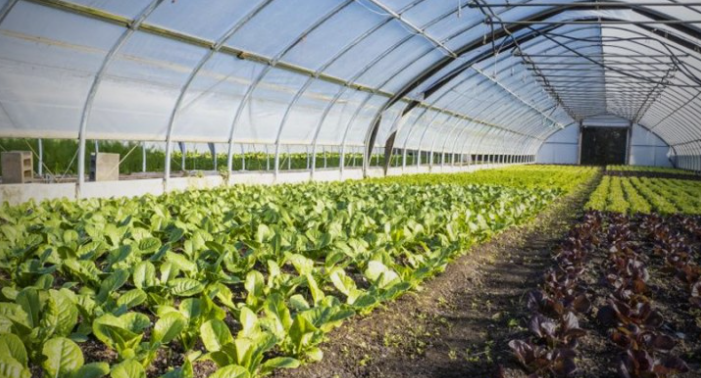
The awareness event held in Abbottabad highlighted the urgent need for innovative agricultural practices in the face of climate change. Speakers at the event underscored the role of modern farming techniques, particularly tunnel farming, in protecting crops from extreme weather conditions and improving yield. Tunnel farming involves the use of polyethylene tunnels to create a controlled environment, which can mitigate the effects of unpredictable weather patterns.
Dr. Ahmed Khan, an agricultural scientist, stated, “Climate change poses a significant threat to our traditional farming practices. By adopting tunnel technology, we can create microclimates that protect crops from harsh weather, thus ensuring food security.” The event also featured demonstrations of tunnel farming techniques, showcasing their effectiveness in maintaining consistent crop production despite climatic challenges.
Farmers attending the event expressed interest in integrating these methods into their practices. One local farmer, Muhammad Ali, shared, “I’ve seen the benefits of tunnel farming in terms of both yield and quality. It’s an investment that pays off by reducing crop losses due to unexpected weather.”
Background
Pakistan’s agricultural sector is a critical component of its economy, contributing significantly to GDP and employing a large portion of the population. However, the sector is increasingly vulnerable to climate change, which manifests as erratic rainfall, rising temperatures, and increased frequency of extreme weather events. These changes threaten crop yields and, consequently, the livelihoods of millions of farmers.
Historically, Pakistan has relied on traditional farming methods, which are less adaptable to the rapid changes in climate. In recent years, there has been a push towards modernizing agriculture through technology and sustainable practices. Tunnel farming, already popular in some regions, is part of this broader strategy to enhance agricultural resilience.
Why It Matters
The adoption of modern farming techniques like tunnel technology is crucial for Pakistan’s agricultural sustainability. As climate change continues to disrupt traditional farming cycles, these methods offer a viable solution to maintain and even increase agricultural output. This is particularly important for ensuring food security in a country where a significant portion of the population relies on agriculture for their livelihood.
Economically, improving agricultural resilience can stabilize food prices and reduce the economic shocks associated with crop failures. Socially, it empowers farmers by providing them with tools and knowledge to adapt to changing environmental conditions. Politically, a robust agricultural sector can contribute to national stability by reducing dependency on food imports and enhancing rural development.
Internationally, Pakistan’s efforts to modernize its agriculture in response to climate change can serve as a model for other countries facing similar challenges. By investing in sustainable practices, Pakistan not only addresses its own food security concerns but also contributes to global efforts to combat climate change.
Key Takeaways
- Modern farming practices, including tunnel farming, are essential for climate resilience in agriculture.
- The Abbottabad event highlighted the need for innovative agricultural strategies to protect crops from climate change.
- Tunnel farming creates controlled environments that can mitigate the effects of extreme weather.
- Adopting these techniques can ensure food security and stabilize the agricultural economy.
- Pakistan’s agricultural modernization efforts can serve as a model for other nations.
Source Attribution
This article is based on official government statements, press releases, and public communications from relevant authorities.