
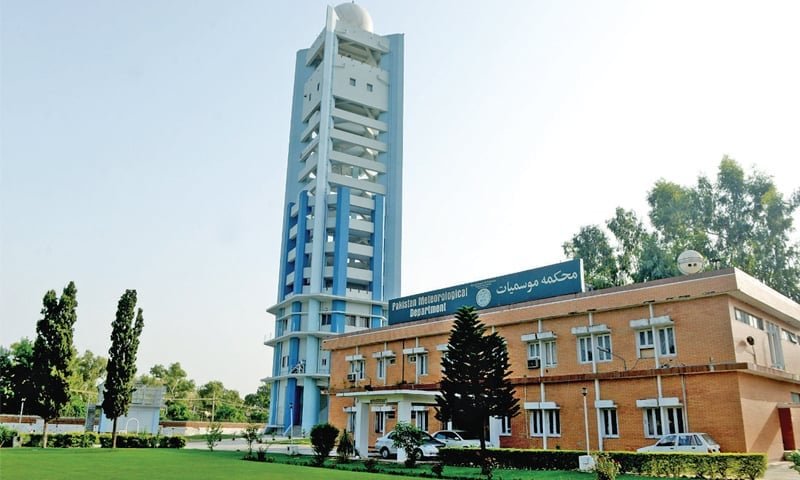
ISLAMABAD — The Pakistan Meteorological Department (PMD) has forecast another widespread spell of monsoon rains across the country from July 29 to August 5, cautioning against potential urban flooding, flash floods, and landslides. The warning includes major cities and hilly areas, with concerns about possible damage to weak infrastructure due to heavy rainfall, windstorms, and lightning.
What Happened
The PMD issued a weather advisory on Tuesday, alerting citizens and authorities to prepare for a new wave of monsoon rains expected to impact various regions of Pakistan. The forecast predicts significant rainfall across the country, with the potential for severe weather conditions including urban flooding in densely populated areas, flash floods in local streams and nullahs, and landslides in mountainous regions.
According to the PMD, the monsoon system is likely to affect the country starting July 29, with the intensity and duration varying across different regions. Major cities such as Karachi, Lahore, Islamabad, and Peshawar are at risk of urban flooding due to the expected heavy downpours. The department has also highlighted the vulnerability of infrastructure in these areas, particularly structures that are poorly constructed or already weakened by previous weather events.
The advisory further warns of potential flash floods in the northern and western parts of the country, where local streams and nullahs could overflow due to the heavy rains. In hilly areas, the risk of landslides is elevated, posing a threat to both residents and travelers in these regions.
Officials have urged local administrations to take proactive measures to mitigate the impact of the anticipated weather conditions. This includes clearing drainage systems, reinforcing vulnerable infrastructure, and ensuring that emergency response teams are on standby to deal with any arising situations.
Background
Pakistan experiences its monsoon season from July to September, a period characterized by heavy rainfall and thunderstorms. The monsoon is a crucial component of the country’s climate system, providing much-needed water for agriculture but also posing significant risks of flooding and landslides.
In recent years, Pakistan has faced increasing challenges related to climate change, with monsoon patterns becoming more erratic and intense. The country has witnessed severe flooding events that have resulted in loss of life, displacement of communities, and substantial economic damage. The government and relevant agencies have been working to improve their forecasting capabilities and disaster preparedness to better manage the impacts of such events.
Why It Matters
The forecasted monsoon rains hold significant implications for Pakistan’s urban and rural populations. Urban flooding in major cities can disrupt daily life, damage property, and hinder economic activities. In rural areas, flash floods and landslides can devastate agricultural lands, affecting food security and livelihoods.
The potential for infrastructure damage is also a critical concern, particularly in regions where buildings and roads are not designed to withstand severe weather conditions. This can lead to prolonged disruptions in transportation and communication networks, complicating relief and recovery efforts.
Moreover, the anticipated weather conditions underscore the broader challenges posed by climate change in Pakistan. As monsoon patterns become increasingly unpredictable, the need for comprehensive climate adaptation and resilience strategies becomes more urgent. This includes investing in infrastructure improvements, enhancing early warning systems, and strengthening community preparedness to reduce vulnerability to extreme weather events.
Key Takeaways
- The PMD forecasts monsoon rains from July 29 to August 5, warning of urban flooding, flash floods, and landslides.
- Major cities like Karachi, Lahore, Islamabad, and Peshawar are at risk of urban flooding due to heavy rainfall.
- Local administrations are urged to take preventive measures, including clearing drainage systems and reinforcing infrastructure.
- The forecast highlights the ongoing challenges of climate change and the need for improved disaster preparedness in Pakistan.
Source Attribution
This article is based on official government statements and public communications from the Pakistan Meteorological Department.














