
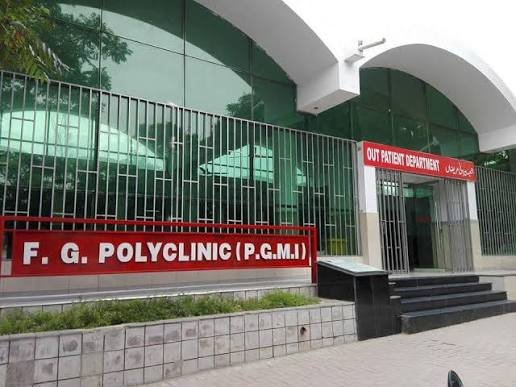
ISLAMABAD — The onset of monsoon rains has led to a significant increase in hospital admissions in Islamabad, with a reported 40 percent rise in patient numbers due to seasonal infections and waterborne diseases. The rainy season, while offering respite from the intense summer heat, has also brought about a surge in health challenges for the residents of the federal capital.
What Happened
The monsoon season, which typically spans from July to September, has seen hospitals in Islamabad overwhelmed with patients suffering from various infections. Health officials report that the increase in humidity and stagnant water has created ideal conditions for the proliferation of viruses and bacteria, leading to a spike in cases of viral infections and diseases such as dengue fever, gastroenteritis, and cholera.
Dr. Asad Mehmood, a senior physician at the Pakistan Institute of Medical Sciences (PIMS), noted, “We are observing a significant rise in patients presenting with symptoms of viral infections, including high fever, body aches, and respiratory issues. The number of patients has increased by approximately 40 percent compared to non-monsoon months.”
Hospitals are also dealing with an influx of patients with waterborne diseases, which are common during the monsoon due to the contamination of water supplies. Dr. Mehmood added, “Many of the cases we are treating are related to waterborne diseases, which are preventable with proper sanitation and hygiene practices.”
Background
Monsoon rains are a regular feature in Pakistan, bringing much-needed relief from the oppressive summer heat. However, they also pose significant public health challenges. Historically, the monsoon season has been associated with outbreaks of diseases due to poor drainage systems and inadequate public health infrastructure. In previous years, similar patterns of increased hospital admissions have been observed, particularly in urban centers like Islamabad.
The government has been working to improve public health responses during the monsoon season, but challenges remain. Efforts include public awareness campaigns on hygiene practices and the distribution of clean drinking water to prevent the spread of waterborne diseases.
Why It Matters
The surge in hospital admissions during the monsoon season highlights the ongoing public health challenges faced by Pakistan. The increased burden on healthcare facilities can strain resources, affecting the quality of care provided to patients. This situation underscores the need for improved infrastructure and preparedness to handle seasonal health crises.
Economically, the rise in infections can impact productivity as individuals are forced to take time off work to recover. This can have a ripple effect on families and communities, particularly in low-income areas where access to healthcare is limited.
Politically, the government’s response to the health challenges posed by the monsoon season is crucial. Effective management and timely interventions can enhance public trust in government institutions and their ability to protect citizens’ health.
Internationally, Pakistan’s ability to manage seasonal health crises is indicative of its public health system’s resilience. As climate change continues to alter weather patterns, the frequency and intensity of monsoon rains may increase, necessitating stronger health systems and infrastructure.
Key Takeaways
- Hospitals in Islamabad report a 40 percent increase in patient admissions during the monsoon season.
- Viral infections and waterborne diseases are the primary causes of the surge in hospital visits.
- Monsoon rains exacerbate public health challenges due to poor sanitation and drainage.
- Improved public health infrastructure and preparedness are essential to manage seasonal health crises.
- The government’s response to these challenges can impact public trust and international perceptions of Pakistan’s health system.
Source Attribution
This article is based on official government statements, press releases, and public communications from relevant authorities.














