
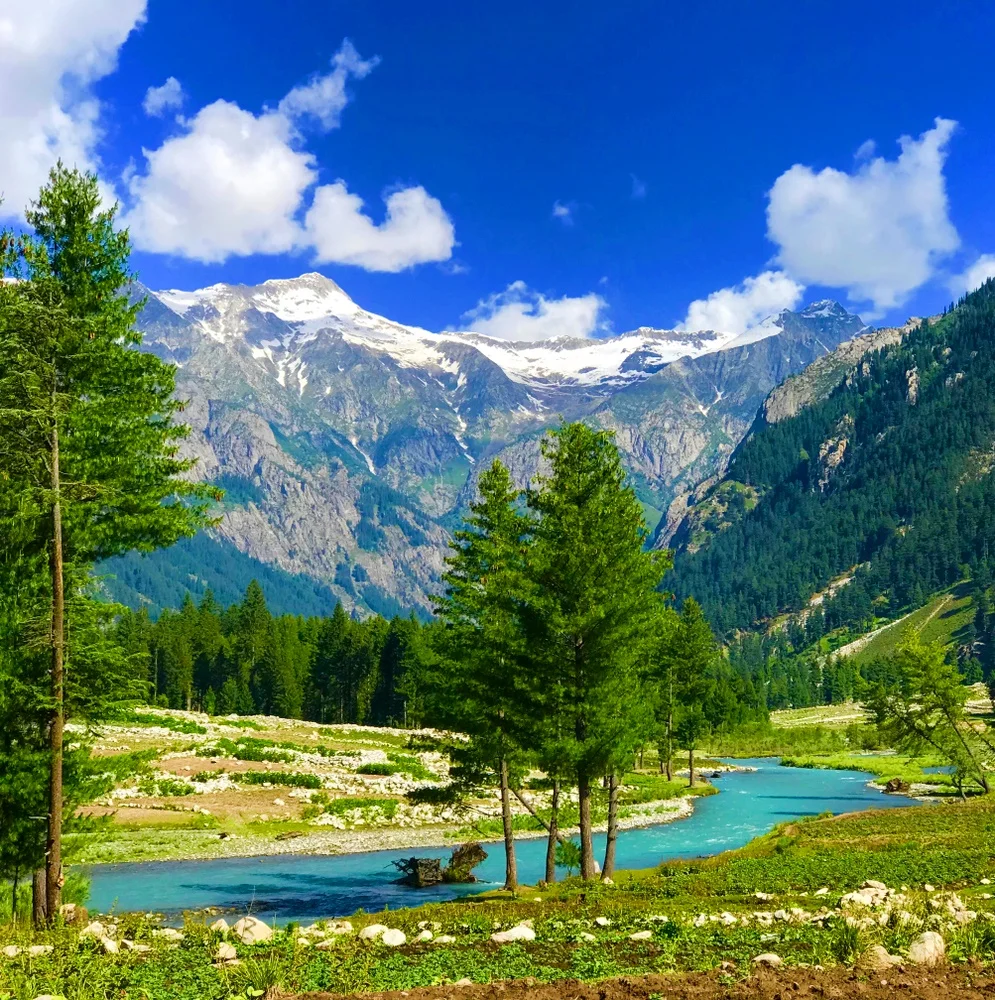
DIR UPPER — The monsoon season has brought a transformative charm to Kumrat Valley, located in the Dir Upper district, turning it into a haven for nature lovers. As the monsoon clouds play hide-and-seek with the sun, they drift through the towering deodar forests, offering visitors a refreshing escape from the sweltering summer heat of Pakistan’s plains.
What Happened
Kumrat Valley, renowned for its lush greenery and serene environment, has become a focal point for tourists seeking respite from the intense heat in other parts of the country. The valley’s natural beauty is further enhanced by the seasonal rains, which breathe life into its landscapes. The Black Chesma waterfall, a key attraction in the valley, is particularly captivating during this time, as the increased water flow creates a mesmerizing spectacle for visitors.
Local tourism operators have reported a significant increase in the number of visitors to the valley since the onset of the monsoon. “This year, the monsoon has been particularly generous, and the valley is more beautiful than ever,” said a local guide. The influx of tourists has also provided a boost to the local economy, with increased demand for accommodation and guided tours.
Visitors to Kumrat Valley can enjoy a variety of activities, including hiking, camping, and photography. The valley’s diverse flora and fauna offer ample opportunities for wildlife enthusiasts and nature photographers. The monsoon season, with its cooler temperatures and lush landscapes, provides an ideal backdrop for these activities.
Background
Kumrat Valley is situated in the Khyber Pakhtunkhwa province of Pakistan and is known for its scenic beauty and biodiversity. The valley is accessible from the town of Thal and is a popular destination for domestic tourists. In recent years, efforts have been made to promote sustainable tourism in the region, with a focus on preserving its natural environment while providing economic benefits to local communities.
The monsoon season in Pakistan typically lasts from July to September, bringing much-needed rainfall to various parts of the country. While the rains can cause flooding and other challenges in some areas, they are crucial for replenishing water supplies and supporting agriculture.
Why It Matters
The transformation of Kumrat Valley during the monsoon season is significant for several reasons. Economically, the increased tourist activity provides a vital source of income for local communities, many of whom rely on tourism as their primary livelihood. The influx of visitors also creates opportunities for small businesses, such as local eateries and souvenir shops, to thrive.
Socially, the valley serves as a peaceful retreat for individuals and families looking to escape the hustle and bustle of urban life. The natural beauty of the area promotes mental well-being and offers a chance for people to reconnect with nature. This is particularly important in a country where urbanization and industrialization have led to environmental degradation in many regions.
Environmentally, the emphasis on sustainable tourism in Kumrat Valley highlights the importance of preserving natural habitats. By promoting eco-friendly practices, local authorities and tourism operators aim to protect the valley’s unique ecosystem for future generations. This approach not only benefits the environment but also ensures that the valley remains an attractive destination for tourists in the years to come.
Key Takeaways
- The monsoon season has revitalized Kumrat Valley, making it a popular destination for nature lovers.
- The Black Chesma waterfall is a major attraction, drawing visitors with its enhanced beauty during the rains.
- The increase in tourism has provided economic benefits to local communities in the Dir Upper district.
- Sustainable tourism practices are being promoted to preserve the valley’s natural environment.
- Kumrat Valley offers a peaceful retreat for those seeking relief from the summer heat and urban life.
Source Attribution
This article is based on official government statements, press releases, and public communications from relevant authorities.














