
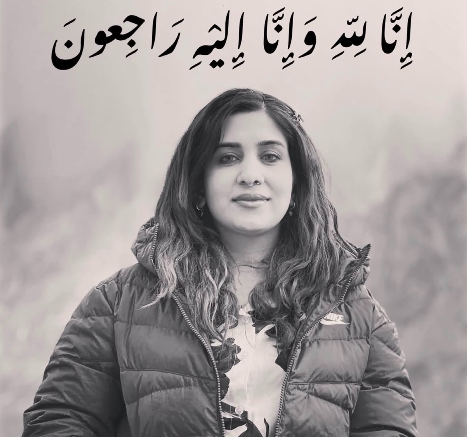
ISLAMABAD — Pakistani mountaineer Asma Mushtaq has tragically lost her life while descending from Spantik Peak, located in the Karakoram range, as confirmed by the Alpine Club of Pakistan (ACP) on Thursday. Mushtaq had successfully summited the 7,027-metre peak but encountered difficulties during her descent.
What Happened
Asma Mushtaq, an accomplished mountaineer, reached the summit of Spantik Peak, also known as Golden Peak, in good health and spirits. However, her descent turned fatal at approximately 6,400 metres. The ACP reported that Mushtaq faced severe challenges as she was making her way down the mountain. Although specific details of the incident remain unclear, the ACP noted that conditions on the mountain can change rapidly, posing significant risks to climbers.
Spantik, part of the Karakoram range, is known for its challenging terrain and unpredictable weather conditions, which can exacerbate the difficulties faced by climbers. The peak is a popular destination for mountaineers due to its technical climbing routes and breathtaking views. Despite these attractions, the mountain has claimed the lives of several climbers over the years, underscoring the inherent dangers of high-altitude mountaineering.
The ACP expressed their condolences to Mushtaq’s family and highlighted her achievements in the field of mountaineering. “Asma Mushtaq was a passionate and skilled climber who inspired many with her dedication to the sport,” said an ACP spokesperson. The club is currently working with local authorities and rescue teams to ensure the safe retrieval of Mushtaq’s body.
Background
Asma Mushtaq was a prominent figure in Pakistan’s mountaineering community, known for her determination and skill in tackling some of the world’s most challenging peaks. Pakistan, home to five of the world’s 14 highest peaks, including K2, has a rich history of mountaineering. The country attracts climbers from around the globe who seek to conquer its formidable mountains.
Spantik Peak, while not as high as K2 or Nanga Parbat, presents its own set of challenges. The mountain’s technical routes require climbers to possess advanced skills and experience. Historically, the peak has been a training ground for climbers preparing for more formidable ascents. The mountain’s allure lies in its combination of technical difficulty and stunning vistas, drawing climbers who are eager to test their limits.
Why It Matters
The tragic death of Asma Mushtaq highlights the perils associated with high-altitude mountaineering, even for experienced climbers. Her passing serves as a stark reminder of the risks involved in the sport, particularly in regions like the Karakoram, where weather conditions can be unpredictable and the terrain unforgiving.
Mushtaq’s death has resonated deeply within the mountaineering community, both in Pakistan and internationally. It underscores the need for enhanced safety measures and preparedness for climbers attempting such challenging feats. The incident may prompt discussions on improving rescue operations and emergency response protocols for climbers in distress.
Moreover, Mushtaq’s achievements and untimely death bring attention to the growing participation of Pakistani women in mountaineering, a field traditionally dominated by men. Her legacy may inspire more women to pursue their passion for climbing, while also advocating for better support systems for female climbers.
Key Takeaways
- Asma Mushtaq, a skilled Pakistani mountaineer, died during her descent from Spantik Peak.
- She successfully summited the 7,027-metre peak before encountering difficulties at 6,400 metres.
- Spantik is known for its challenging terrain and unpredictable weather, posing risks to climbers.
- Mushtaq’s death highlights the dangers of high-altitude mountaineering and may lead to discussions on safety improvements.
- Her legacy could inspire more Pakistani women to engage in mountaineering.
Source Attribution
This article is based on official statements from the Alpine Club of Pakistan and public communications from relevant authorities.














