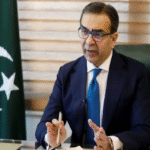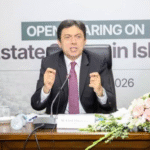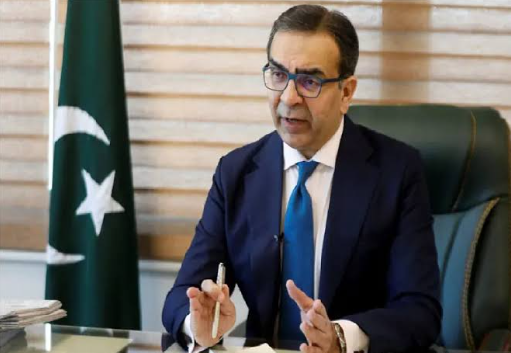
ISLAMABAD — Muhammad Ali, Adviser to the Prime Minister on Privatisation, presented a strategic plan for economic growth at the Leaders in Islamabad Business Summit 2026. On Thursday, he stressed the importance of transitioning from economic stabilisation to generational growth, focusing on market building and competitiveness through innovation.
What Happened
During the summit, Muhammad Ali, who also serves as the Chairman of the Privatisation Commission and Public Private Partnership Authority (P3A), delivered a keynote address outlining a comprehensive roadmap aimed at fostering sustainable economic growth in Pakistan. The event, held in Islamabad, gathered business leaders, policymakers, and international delegates to discuss the future of Pakistan’s economy under the theme “The Future of Business.”
Ali highlighted the necessity for a strategic shift in economic policy, moving away from short-term stabilisation efforts towards a long-term vision of growth and development. He emphasized that innovation and competitiveness are key components in building a robust market economy. “We must focus on creating an environment that encourages innovation and competitiveness,” he stated, urging stakeholders to invest in sectors that have the potential to drive economic growth.
The adviser also discussed the role of public-private partnerships in achieving these goals, noting that collaboration between the government and private sector is essential for implementing large-scale infrastructure projects and technological advancements. He pointed to successful models from other countries that have effectively utilized such partnerships to spur economic progress.
Furthermore, Ali addressed the importance of policy reforms to support the business environment, including regulatory changes that facilitate ease of doing business and attract foreign investment. He called for a concerted effort to improve Pakistan’s global competitiveness rankings, which he believes will enhance the country’s economic prospects.
Background
Pakistan’s economy has faced numerous challenges in recent years, including fiscal deficits, inflation, and a depreciating currency. The government has implemented various measures to stabilize the economy, such as securing loans from international financial institutions and introducing austerity measures. However, these efforts have often been criticized for not addressing the underlying structural issues that hinder long-term growth.
The Leaders in Islamabad Business Summit is an annual event that brings together key stakeholders from various sectors to discuss strategies for economic development. This year’s summit focused on exploring innovative solutions to drive growth and enhance Pakistan’s position in the global market.
Why It Matters
The strategic roadmap outlined by Muhammad Ali is significant as it marks a shift in focus from short-term economic stabilization to sustainable growth. This approach is crucial for addressing the long-standing structural issues that have impeded Pakistan’s economic progress. By prioritizing innovation and competitiveness, the government aims to create a more dynamic and resilient economy capable of withstanding global economic fluctuations.
The emphasis on public-private partnerships is particularly noteworthy, as such collaborations can leverage private sector expertise and resources to implement large-scale projects that the government alone may not be able to undertake. This can lead to improved infrastructure, technological advancements, and job creation, ultimately boosting economic growth.
Moreover, the proposed policy reforms are expected to enhance the business environment, making it more conducive for both local and foreign investors. Improving ease of doing business and increasing Pakistan’s global competitiveness rankings can attract much-needed foreign direct investment, which is vital for economic development.
Overall, the strategic plan presented by Muhammad Ali has the potential to transform Pakistan’s economic landscape, fostering a more inclusive and prosperous future for its citizens.
Key Takeaways
- Muhammad Ali emphasized a shift from economic stabilization to generational growth at the Islamabad summit.
- Innovation and competitiveness are key components of the proposed economic growth strategy.
- Public-private partnerships are highlighted as essential for implementing large-scale projects.
- Policy reforms are needed to improve the business environment and attract foreign investment.
- The strategic plan aims to enhance Pakistan’s global competitiveness and economic resilience.
Source Attribution
This article is based on official government statements, press releases, and public communications from relevant authorities.