
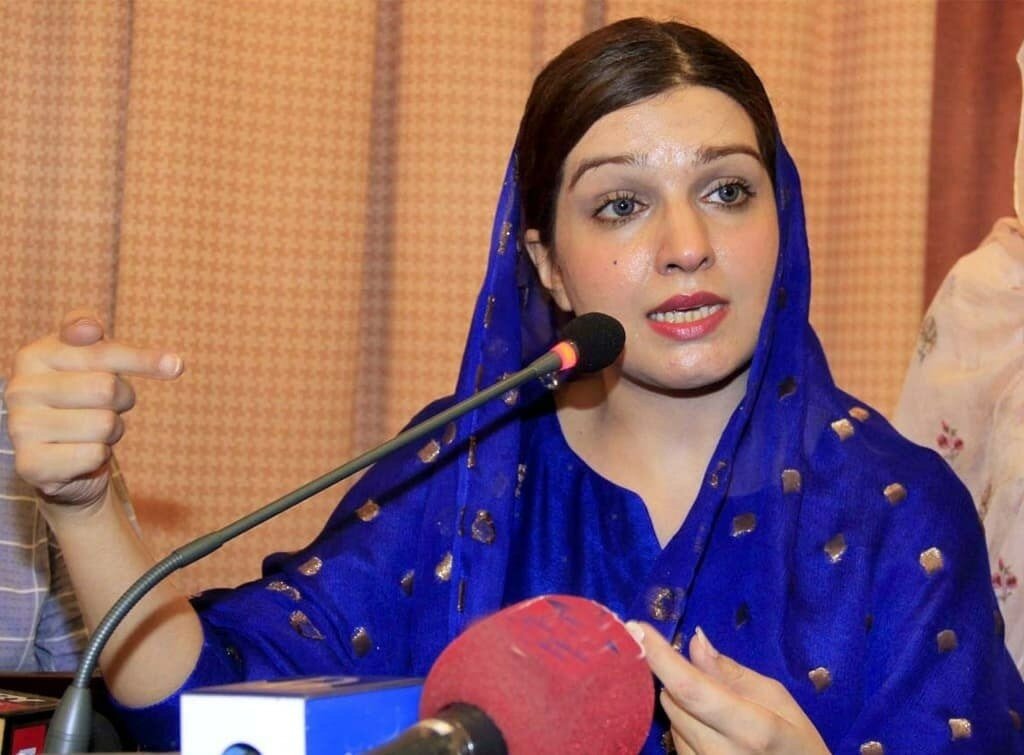
ISLAMABAD — Mushaal Hussein Mullick, wife of jailed Hurriyat leader Yasin Malik, has called for international action to protect human rights and establish peace in Indian Illegally Occupied Jammu and Kashmir (IIOJK). She cited the historical events of Karbala as a powerful symbol of resistance against oppression, aligning with the struggles of Kashmiris.
Recent Developments
On June 26, Mushaal Mullick addressed ongoing human rights issues in IIOJK, urging global intervention to ensure justice for the oppressed population. She emphasized the enduring relevance of the Karbala narrative, which inspires those fighting tyranny and injustice. Her husband, Yasin Malik, remains imprisoned amid ongoing tensions.
Mullick stated, “The message of Karbala is timeless, inspiring oppressed people worldwide, including Kashmiris.” She urged the international community to take “meaningful and effective steps” to address human rights violations in the region.
Reports highlight human rights abuses such as restrictions on freedom of expression, arbitrary detentions, and excessive force by security personnel. Mullick aims to galvanize international support to pressure India into action.
Historical Context
The Kashmir conflict began with the partition of British India in 1947, leading to the creation of India and Pakistan. Both nations claim the region but control only parts of it. The dispute has caused several wars and persistent skirmishes, with heightened military presence recently.
In August 2019, India’s government abrogated Article 370, revoking Jammu and Kashmir’s special status. This fueled protests and drew condemnation from international human rights organizations. The region remains under increased restrictions and surveillance with ongoing rights violation reports.
Significance of the Conflict
The IIOJK situation has far-reaching implications for regional stability and international relations. The conflict could escalate into a broader military confrontation between nuclear-armed India and Pakistan. Such an escalation would impact not only South Asia but global peace and security.
From a human rights viewpoint, the global response to Kashmir tests the commitment to fundamental freedoms and justice. Inaction could set a precedent for tolerating rights abuses in other conflict zones. Kashmir’s plight also highlights the broader issue of self-determination and the right to autonomy.
Economic Impact
Economic instability in Kashmir disrupts regional trade and development. The conflict deters investment, hindering potential growth and prosperity in the area. Addressing human rights issues could lead to economic recovery and improved living standards for Kashmir’s residents.
Key Takeaways
- Mushaal Mullick urges international action on Kashmir human rights issues.
- Her appeal aligns with historical narratives of resistance against oppression.
- The conflict has significant implications for regional stability and global peace.
- Economic disruptions affect growth and investment in the region.
- Addressing rights violations could pave the way for recovery and autonomy.














